
Glycolic Acid Guide: Best Glycolic Acid cream and Toner
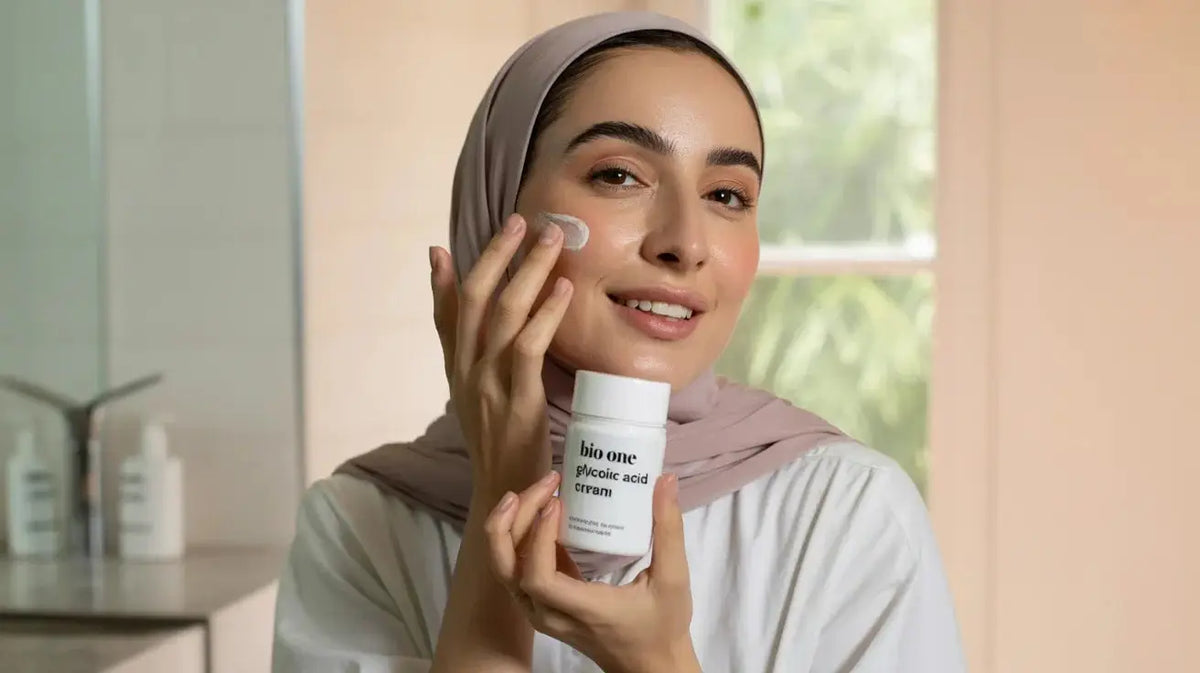
Glycolic acid is one of the most versatile ingredients in skincare. This guide explains how it works and how to choose the right glycolic acid cream or toner for your skin.
What Is Glycolic Acid?
Glycolic acid is the smallest and most potent alpha-hydroxy acid (AHA), derived from sugar cane. It acts as a chemical exfoliant by dissolving the bonds between dead skin cells to reveal fresh, radiant skin. Its tiny molecular size allows deep penetration, making it more effective than larger AHAs.
Why Use Glycolic Acid?
Exfoliation and Brightening
It speeds up cell turnover for a fresh glow and helps fade dark spots, melasma, and sun damage by promoting even melanin dispersal.
Anti-Aging
It encourages fibroblasts to produce collagen and elastin, smoothing fine lines and improving firmness.
Acne and Blackhead Control
It dissolves the sebum and dead-cell buildup behind blackheads and whiteheads, and its anti-inflammatory action reduces post-acne marks — a useful addition to an anti-acne routine.
Dark Underarms and Body Areas
Regular use on underarms, knees, and elbows can lighten hyperpigmented patches through gentle exfoliation.
Improved Product Absorption
By clearing dead cells, it helps serums and moisturisers penetrate more deeply.

How Does Glycolic Acid Work?
- pH-dependent: most effective at pH 3.5–4.0, exfoliating without undue irritation.
- Concentration matters: 5–10% for daily gentle exfoliation, 10–20% for weekly at-home peels, and 20–50% for professional treatments under dermatologist care.
- Molecular size: its small size gives deeper, more uniform exfoliation than other AHAs.
Choosing the Right Product
Glycolic acid is available as daily creams (typically 5%, 10%, and 12% strengths), 2% foaming cleansers with brightening botanicals, and toners that balance pH after cleansing. Match the format and strength to your skin:
- Dry or sensitive: start with a 5% cream, 1–2 times weekly.
- Oily or acne-prone: a 2% glycolic cleanser daily plus a 10% cream 2–3 times weekly. Salicylic acid can complement this.
- Pigmentation or dark underarms: a 12% cream applied nightly to targeted areas (avoid broken skin).
Look for products buffered to pH 3.5–4.5 with soothers like hyaluronic acid, panthenol, or niacinamide to reduce irritation, and source from a trusted seller to ensure genuine, pharmaceutical-grade formulations.
How to Use Glycolic Acid Safely
- Patch test: apply behind the ear and wait 24 hours.
- Layer in order: cleanse, tone, apply your chosen glycolic cream, then moisturise.
- Build up frequency: beginners start once weekly, increasing to 2–3 times as tolerated.
- Protect from sun: use a broad-spectrum SPF 30+ every morning.
Is Glycolic Acid Good for Pigmentation, Dark Underarms, and Acne?
Pigmentation: yes — by accelerating cell turnover it fades dark spots, melasma, and post-inflammatory hyperpigmentation. Dark underarms: regular use of a 10–12% cream can lighten stubborn patches with careful application and sun protection. Acne: it keeps pores clear, reduces excess sebum, and smooths acne scars over time.
FAQs
Can I use glycolic acid daily?
Only low-strength (5–8%) creams daily; use higher concentrations 2–3 times weekly.
How soon will I see results?
Smoother texture in 1–2 weeks; brightening and spot fading in 4–6 weeks.
Can pregnant women use it?
Use 10% or lower after doctor approval, and avoid high-strength peels during pregnancy.
Does it cause purging?
Initial breakouts can occur as clogged pores clear, usually resolving in 2–3 weeks.
Can I combine it with retinol?
Alternate nights with retinol to prevent over-exfoliation and irritation.
Conclusion
Glycolic acid is a multi-benefit AHA that tackles pigmentation, dark underarms, acne, and photo-ageing. By choosing the right strength, following safe usage steps, and protecting your skin from the sun, you can achieve a brighter, smoother complexion. Shop authentic glycolic acid products in Pakistan at Derma.pk.
 Snail Mucin for Skin: Benefits, How to Use It & the Best Products in Pakistan
 K-Beauty 101: The Science Behind Korean Skincare's Global Rise
 Under-Eye Dark Circles: Causes & Treatments That Actually Work
 Fungal Skin Infections in Pakistan: Ringworm, Jock Itch & Athlete's Foot