


Cautery | Eliminate Warts & Skin Tags for Healthier, Firmer Skin
Skin Tag & Wart Removal in Lahore | Derma.pk
Dermatology Consultation Bahria Town Lahore | Derma.pk
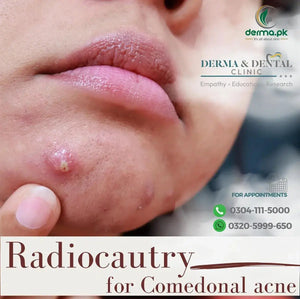
Radiocautery for Comedonal Acne in Lahore | Derma.pk
Frequently Asked Questions
What is cautery treatment, and how does it work?
Cautery treatment uses heat or electrical current to remove unwanted skin growths, treat lesions, or control bleeding. The procedure works by applying controlled heat to targeted tissue, which either burns off unwanted growths or seals blood vessels to stop bleeding. Cautery is a non-invasive solution that is effective for various skin concerns.
Is cautery treatment painful?
Cautery treatments are generally well-tolerated. A local anesthetic is used to numb the treatment area, ensuring minimal discomfort during the procedure. You may feel a slight tingling or warmth, but pain is not a major concern for most patients.
How long does it take to recover from cautery treatment?
Recovery time is minimal for most patients. After cautery treatment, most people can return to normal activities within 1 to 2 days. There may be some redness, swelling, or scabbing in the treated area, but these side effects typically resolve within a few days.
Are there any side effects of cautery treatment?
The most common side effects include mild redness, swelling, and scabbing at the treated site. In rare cases, the skin may darken or lighten temporarily. These effects are generally short-lived and resolve as the skin heals.
Can cautery treat all types of skin lesions?
Cautery is effective for many types of benign skin growths, such as moles, warts, and skin tags. However, it may not be suitable for malignant growths or deeper lesions. A dermatologist will evaluate your skin and recommend the most appropriate treatment.
How many sessions of cautery are required?
One session is usually sufficient for small to medium lesions. Larger or more complex lesions may require additional treatments. Your dermatologist will determine the number of sessions based on your specific condition.
Can cautery be used on all skin types?
Cautery is generally safe for all skin types, but extra care may be required for individuals with sensitive skin or darker skin tones. It’s important to have a consultation with a dermatologist to ensure that cautery is the right treatment for you.
What happens after the cautery treatment?
After the treatment, you may experience minor swelling, redness, or a scab formation over the treated area. It is essential to follow aftercare instructions to avoid infection and promote proper healing. Sun exposure should be avoided during the healing process.
Can I apply makeup after cautery treatment?
It’s recommended to avoid applying makeup directly on the treated area until it has healed. This allows the skin to heal properly and minimizes the risk of irritation or infection.
Are the results of cautery permanent?
Yes, the effects of cautery are typically permanent for the treated lesion. However, new lesions may develop over time, especially if they are caused by genetics or environmental factors. Regular checkups with your dermatologist can help monitor any new changes to your skin.

