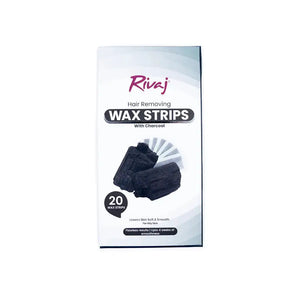
For the wax to grip the hair effectively, it should be about a quarter-inch long (roughly the size of a grain of rice). If the hair is too short, the wax cannot grab it; if it is too long, the process can be more painful and lead to hair breakage rather than removal from the root.
These bumps are a sign of mild inflammation in the hair follicle, known as folliculitis. They occur because the skin is sensitive to the mechanical pull of waxing or shaving. Using a clinical-grade soothing gel with Aloe Vera or Tea Tree Oil immediately after can help calm the skin and prevent bacteria from entering the follicles.
No. Retinoids and oral medications like Accutane thin the skin significantly, making it much more fragile. Waxing while on these treatments can cause "skin lifting," where the top layer of skin is removed along with the hair. Always wait the recommended time after stopping these medications before waxing.
The best way to prevent ingrowns is through regular, gentle exfoliation between hair removal sessions. This prevents dead skin from blocking the follicle. Using a serum with Salicylic Acid can also help keep the pores clear so the hair grows out straight.
Yes, but you should use a wax specifically formulated for sensitive areas, such as "hard wax," which hardens on its own and pulls only the hair, not the skin. At Derma.pk, we prioritize these gentler formulations for delicate zones.
It is best to wait at least 24 to 48 hours. Sweat, bacteria from gym equipment, and chlorine in pools can easily irritate open follicles, leading to breakouts or infections. Keep the area clean and dry during the initial recovery period.
This is often post-inflammatory hyperpigmentation (PIH). It happens when the skin is repeatedly irritated, causing it to produce more melanin as a defense. Using a post-care product with brightening agents and ensuring you aren't using "too hot" wax can help prevent this.
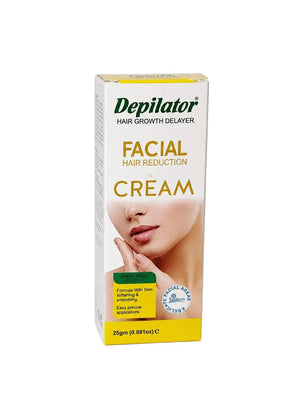
Depilatory creams use high-pH chemicals to dissolve the hair just below the skin surface. They are safe when used according to the instructions, but a patch test on a small area is essential to ensure you do not have an allergic reaction to the chemical salts.
No. In fact, consistent waxing over time can damage the hair bulb, causing the hair to grow back finer and sparser. The "thick" feeling after shaving is simply the blunt edge of the hair growing back; waxing removes the hair with a naturally tapered tip.
Keep the skin hydrated with a fragrance-free, hypoallergenic lotion. Avoid tight clothing that causes friction, and stay away from hot showers or saunas, as the skin is still recovering from the heat and mechanical stress of the procedure.