Dandruff Control: Clinical Scalp Solutions & Treatments | Derma.pk
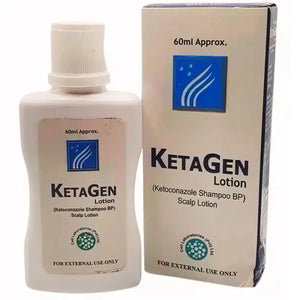
Cell Laboratories Ketagen Ketoconazole Scalp Shampoo 60ml
Mufrid Anti Dandruff and Anti Fungal Shampoo 120ml
Tressfix Anti-Hair Fall and Anti-Dandruff Shampoo 120ml
Derm Innovative Diverge Anti-Dandruff Shampoo 150ml
Hair Speaks Anti Dandruff Shampoo & Conditioner 120ml
Sebornil Anti-Dandruff Shampoo (Piroctone Olamine & Salicylic Acid) 100ml
Euthrix Df Shampoo Anti-Dandruff Shampoo with Conditioner 180ml
Zyro-Maz Anti-Dandruff Shampoo with Zinc Pyrithione 100ml
Frequently Asked Questions
1. Is dandruff caused by poor hygiene?
No. Dandruff is primarily caused by a combination of oil production and a common fungus called Malassezia. While regular washing helps manage the buildup, the underlying cause is biological, not a lack of cleanliness.
2. How often should I use an anti-dandruff shampoo?
For active dandruff, most clinical formulas should be used two to three times a week. Once the flakes are gone, you can switch to a maintenance routine of once a week to prevent the fungus from returning.
3. Why is my scalp so itchy even after I wash my hair?
Itching is an inflammatory response to the yeast on your scalp. If your current shampoo only removes flakes but doesn't contain an antifungal agent, the itching will persist. A medicated shampoo from Derma.pk will address both the flakes and the inflammation.
4. Can dandruff cause hair loss?
Dandruff itself doesn't cause hair loss, but the inflammation and the urge to scratch can damage the hair follicles. Additionally, a congested scalp can hinder healthy hair growth. Resolving dandruff is a key step in maintaining hair density.
5. Can I use conditioner with a dandruff shampoo?
Yes. Anti-dandruff shampoos focus on the scalp and can sometimes be drying for the hair. Apply conditioner only to the mid-lengths and ends of your hair, avoiding the scalp, to keep your hair healthy while the shampoo treats the skin.
6. Will anti-dandruff shampoo fade my hair color?
Some strong medicated shampoos can be harsh on hair dye. If you have color-treated hair, look for "sulfate-free" dandruff treatments or alternate your medicated wash with a color-protecting conditioner.
7. Does the water temperature matter when washing?
Yes. Extremely hot water can irritate the scalp and stimulate more oil production. Use lukewarm water to wash your hair and, if possible, a cool rinse at the end to help soothe the scalp and close the hair cuticles.
8. Is there a difference between dandruff and a dry scalp?
Yes. Dry scalp is simply a lack of moisture and results in small, dry flakes. Dandruff is usually associated with excess oil and a fungal response, resulting in larger, often oilier flakes. Clinical treatments for dandruff are designed to target the fungus specifically.
9. Can I get rid of dandruff forever?
Dandruff is often a chronic condition that can flare up due to stress, weather changes, or diet. While it may not be "cured" permanently, it can be managed so effectively with the right products that it remains invisible and asymptomatic.
10. How long does it take to see results with professional treatments?
With a high-quality clinical shampoo, you may see a reduction in itching after just one wash. Visible flakes usually decrease significantly within two to three weeks of consistent use.