
Psoriasis Care Products in Pakistan
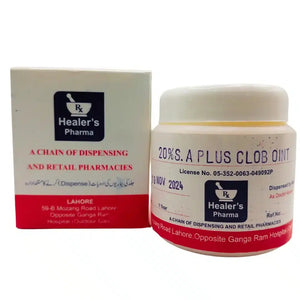
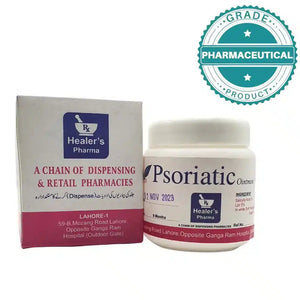
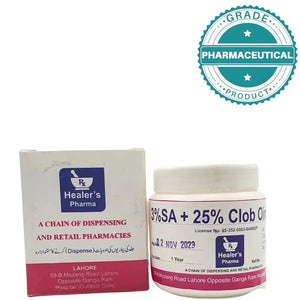


 Essentials HealthcareRepairon 10% Urea Moisturizing Lotion 100ml — Moisturizer for Dry Skin

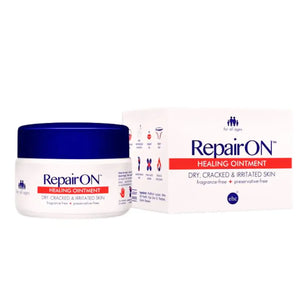

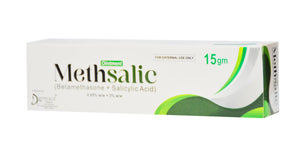
 PharmasolBetasol-C Ointment 0.5mg/50mcg – Betamethasone Dipropionate & Calcipotriol for Psoriasis
 Derm Innovative LaboratoriesDi-Soft Daily Moisturizing Lotion 100ml — Moisturizer for Dry Skin




 MaxitechMaxitech Dimed Betamethasone Dipropionate 0.05% Lotion 60ml — Eczema & Itchy Skin Relief


Psoriasis is a chronic skin condition that causes rapid skin cell buildup, leading to scaling, redness, and persistent itching. Managing it requires consistent use of clinically formulated products that target inflammation, reduce flaking, and restore the skin barrier.
Derma.pk stocks a curated range of dermatologist-recommended psoriasis treatments available in Pakistan — including medicated shampoos for scalp psoriasis, coal tar and salicylic acid formulations, emollient-rich moisturisers for dry plaques, and corticosteroid-based topicals. Brands include CeraVe, Neutrogena, and other pharmacy-grade names trusted by dermatologists.
Whether you're managing mild scalp flaking or moderate plaque psoriasis on the body, our range covers daily maintenance and flare-up control. All products are sourced and sold through verified dermatology channels.
Frequently Asked Questions
What ingredients help with psoriasis?
Salicylic acid (keratolytic — removes scale), coal tar (slows skin cell turnover), urea (softens thick plaques), and ceramide-rich emollients (repairs barrier) are the most evidence-backed OTC ingredients. Prescription corticosteroids and vitamin D analogues are used for moderate-to-severe cases.
Can psoriasis be cured?
Psoriasis has no permanent cure, but it can be effectively managed with the right topical routine and, where needed, systemic treatment under a dermatologist's supervision. Consistent moisturisation and trigger avoidance significantly reduce flare frequency.
Is psoriasis contagious?
No. Psoriasis is an autoimmune condition — it is not infectious or contagious in any way.
Which shampoo is best for scalp psoriasis in Pakistan?
Coal tar shampoos (e.g., T/Gel by Neutrogena) and ketoconazole-based shampoos are commonly recommended. For severe scalp involvement, a dermatologist may prescribe a medicated scalp solution.