Fungal Infections Symptoms | Understand the Signs
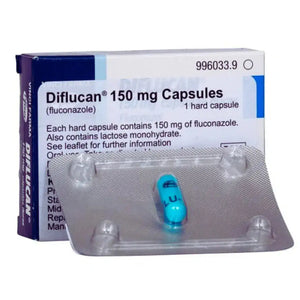
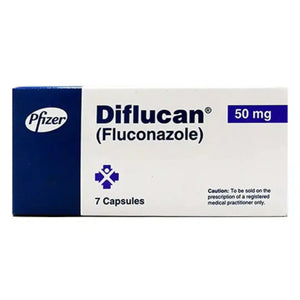
Diflucan 150mg Capsule (Treats Fungal Infections) - derma.pk
Hydrozole Cream 20g - Antifungal and Anti-inflammatory Cream (GSK) - derma.pk
Nilstat Drops 50ml (Nystatin) for Mouth Ulcers - derma.pk
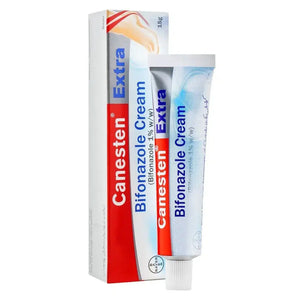
Canesten Extra Bifonazole Cream 15g - Treat Fungal Skin Infections (Bayer) - derma.pk
Canesten 1 Tablet 500mg - Effective Thrush Treatment (Bayer) - derma.pk
Daktacort Cream 10g - Antifungal and Anti-inflammatory Cream (Aspin Pharma) - derma.pk
Sporanox Capsules 100mg (4 capsules) - Clear Up Fungal Infections (Aspin Pharma) - derma.pk
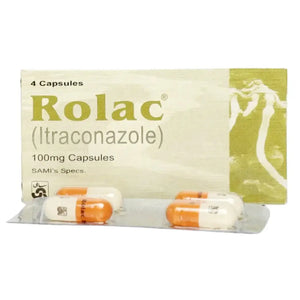
Rolac Capsules 100mg - (6 capsules) Treat Fungal Infections (Sami Pharma) - derma.pk
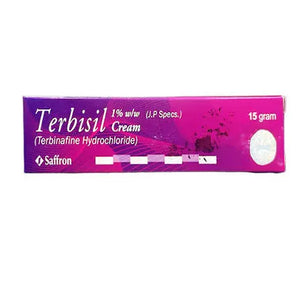
Terbisil Tablets 250mg - Treat Fungal Infections (10 Tablets) (Saffron Pharma) - derma.pk
Lamisil Tablets 250mg -(14 Tablets) Treat Fungal Infections (Novartis) - derma.pk
Uses of Kenacomb Cream - Treat Infections & Inflammation
Dermosporin Cream 20g (Clotrimazole) - Antifungal Cream for Skin Infections - derma.pk
Frequently Asked Questions
What are fungal infections?
Fungal infections occur when harmful fungi invade the body. They can affect the skin, nails, mouth, and other areas of the body. These infections can cause symptoms such as itching, redness, swelling, and in some cases, more severe issues.
How do I know if I have a fungal infection?
Fungal infections often cause visible signs such as rashes, itching, and peeling skin, or discolored, thickened nails. If you experience any of these symptoms, it's important to consult a healthcare provider for a diagnosis and treatment.
How do I treat a fungal infection?
Fungal infections can usually be treated with antifungal medications, which may be topical (creams, ointments, or sprays) or oral. The treatment depends on the type and severity of the infection.
Are fungal infections contagious?
Yes, many fungal infections are contagious and can spread through direct contact with an infected person, contaminated surfaces, or shared personal items. It's important to practice good hygiene and avoid sharing items like towels or shoes to prevent spreading the infection.
How can I prevent fungal infections?
Good hygiene is essential for preventing fungal infections. Keep your skin clean and dry, especially in areas prone to moisture, like the feet, groin, and underarms. Wear breathable fabrics and avoid sharing personal items to minimize the risk.
Can I use home remedies for fungal infections?
Some home remedies, such as tea tree oil or apple cider vinegar, may help relieve mild fungal infections. However, it's essential to consult with a healthcare provider before trying home remedies, especially for severe or recurring infections.
Can fungal infections be cured completely?
Yes, most fungal infections can be cured completely with the right antifungal treatment. It's important to follow the prescribed course of treatment and take steps to prevent recurrence, such as maintaining good hygiene and avoiding exposure to contaminated environments.
Is it safe to use antifungal treatments?
Antifungal treatments are generally safe when used as directed. However, some people may experience mild side effects like skin irritation or gastrointestinal discomfort. If you have any concerns or allergies, consult your healthcare provider before starting treatment.
How long does it take to cure a fungal infection?
The duration of treatment depends on the type and severity of the infection. Most skin infections can improve within 1-2 weeks with proper treatment. Nail and internal infections may take longer to heal.
What should I do if my fungal infection does not improve?
If your fungal infection doesn’t improve after using over-the-counter treatments or worsens, consult a healthcare provider. You may need stronger prescription antifungals or a different treatment plan.