
Melasma Treatment, Freckles & Pigmentation Creams in Pakistan
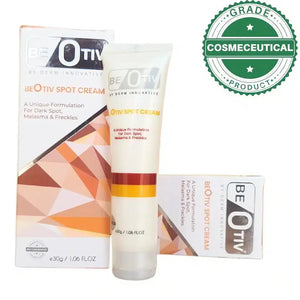

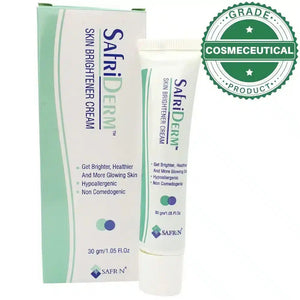

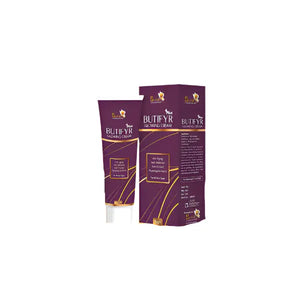
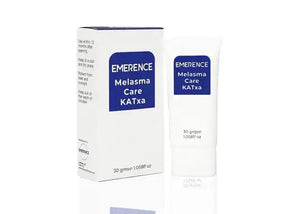

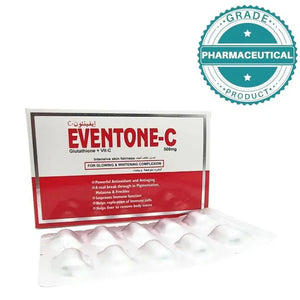 Pharma HealthEVENTONE-C Vitamin C & Glutathione Tablets 500mg (Pack of 10) for Skin Brightening


 Essentials HealthcareEssential Healthcare White Balance Cream 20g — Skin Whitening for Glowing Skin

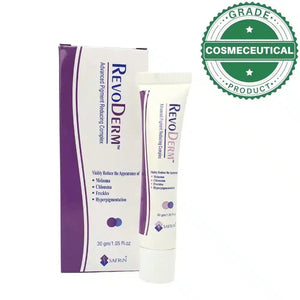 Safrin PharmaRevoderm Advanced Pigment Reducing Complex 30g — Melasma, Freckles & Dark Spots

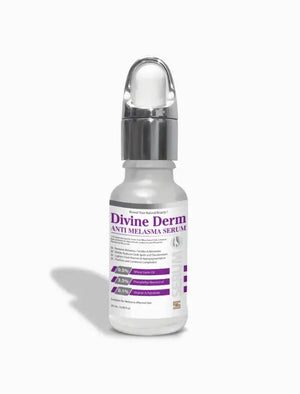
Melasma treatment in Pakistan requires a precise combination of pigment-suppressing actives, sun protection and barrier care. This Derma.pk collection brings together prescription-grade and dermatologist-recommended creams, serums and peels designed to fade melasma, freckles, sunspots and post-inflammatory hyperpigmentation.
Our melasma and freckles range includes formulations with hydroquinone, kojic acid, azelaic acid, alpha arbutin and tranexamic acid — the gold-standard ingredients used by dermatologists for stubborn pigmentation.
Melasma is especially common in women across Pakistan due to hormonal changes, pregnancy and high year-round UV exposure, typically appearing as symmetrical brown patches on the cheeks, forehead and upper lip. Freckles, by contrast, are smaller scattered spots driven by genetics and sun exposure.
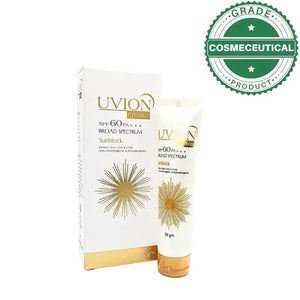
Effective treatment combines a depigmenting cream at night with a broad-spectrum sunblock SPF 50 every day. Pair these with our whitening and brightening serums for a full anti-pigmentation routine.
Frequently asked questions
What is the difference between melasma and freckles?
Melasma appears as larger symmetrical patches driven by hormones and sun, while freckles are small scattered spots mostly from genetics and sun exposure.
What is the best ingredient for melasma?
Dermatologists rely on hydroquinone, kojic acid, azelaic acid, alpha arbutin and tranexamic acid, always combined with strict daily sun protection.
Is melasma curable?
Melasma is manageable rather than permanently curable. Consistent treatment and daily SPF fade it and prevent it from returning.
Can I treat melasma during pregnancy?
Some actives like hydroquinone are avoided in pregnancy. Azelaic acid and vitamin C are generally considered safer, but consult your doctor first.