Vitamin C Serums

Radiant Defense: Vitamin C Serums Vitamin C is a gold-standard antioxidant in clinical dermatology, essential for neutralizing free radicals and reversing the visible signs of...

Sort by:

Seravio serum C20

Seravio SERUMS C20 with Vitamin C 20% - Brightening and Anti-Aging Serum (30ml) | ATCO Life Sciences

Rs.2,517.00

Pay only

Rs.

964

now

OXIDO-C VITAMIN C SERUM FOR SKIN BRIGHTENING 15ml

OXIDO-C VITAMIN C SERUM FOR SKIN BRIGHTENING 15ml

Rs.1,500.00

Pay only

Rs.

575

now

BIO ONE VIT C SERUM

Bio One Vitamin C Serum | Brightening & Anti-Aging Serum

Rs.2,250.00

Pay only

Rs.

862

now

THE PUREST VITAMIN C BRIGHT SERUM

THE PUREST SOLUTION (20% ASCORBIC ACID AND 0.5% FERULIC ACID) VITAMIN C BRIGHTENING AND LIGHTENING SERUM 30ML

Rs.4,600.00

Pay only

Rs.

1,763

now

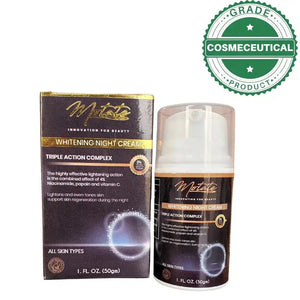
MOTATE VITAMIN C SERUM

MOTATE VITAMIN C SERUM 30ml

Rs.2,190.00

Pay only

Rs.

839

now

SIERO-C Serum 30ml

SIERO-C Serum 30ml (L-Ascorbic Acid) - Powerful Vitamin C Serum for Radiant Skin in Pakistan

Rs.2,200.00

Pay only

Rs.

843

now

MELADERM-C INTENSIVE SKIN LIGHTENING SERUM 20ml

MELADERM-C INTENSIVE SKIN LIGHTENING SERUM 20ml

Rs.2,350.00

Pay only

Rs.

900

now

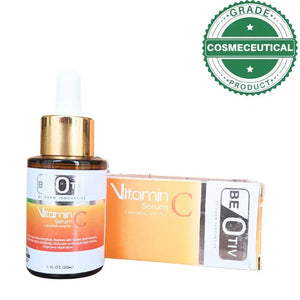
beotiv

BEOTIV VITAMIN C SERUM 30ml

Rs.1,650.00

Pay only

Rs.

632

now

gluto c serum

Gluto C Serum – Brightening & Anti-Aging Serum with Glutathione & Vitamin C

Rs.2,800.00

Pay only

Rs.

1,073

now

Vitamin  Serum

Pinktone C10 Vitamin Serum 30ml

Rs.2,895.00

Pay only

Rs.

1,109

now

Pharmaceris W Whitening Active Concentrate

Pharmaceris W Whitening Active Concentrate 5% Vitamin C Albucin-C 30ml (derma.pk )

Rs.5,875.00

Pay only

Rs.

2,252

now

FLASH VITAMIN C SERUM 20ml

FLASH VITAMIN C SERUM 20ml

Rs.1,175.00

Pay only

Rs.

450

now

Luminosity and Repair: How Vitamin C Transforms the Dermal Matrix

Vitamin C (Ascorbic Acid) is a vital molecule for skin health, serving as both a powerful antioxidant and a critical cofactor for collagen synthesis. Because humans cannot synthesize Vitamin C internally, topical application is the most effective way to ensure the skin receives its benefits. At Derma.pk, we advocate for daily Vitamin C use as a "biological shield" against the environment.

Neutralizing Oxidative Stress

Free radicals are unstable molecules generated by sun exposure and pollution that "steal" electrons from healthy skin cells, causing damage. Vitamin C donates an electron to these free radicals, neutralizing them before they can break down collagen or trigger abnormal pigment production. Using a Vitamin C serum every morning significantly boosts the efficacy of your sunscreen.

The Collagen Connection

Vitamin C is essential for the stabilization and cross-linking of collagen molecules. Without adequate Vitamin C, the skin's structural scaffold becomes weak, leading to fine lines and sagging. Clinical-grade serums help to:

  • Firm the Skin: By stimulating the fibroblasts to produce new collagen fibers.
  • Even Skin Tone: By inhibiting the enzyme tyrosinase, which prevents the overproduction of melanin.
  • Refine Texture: By promoting healthy cellular turnover and reducing redness.

Understanding Stability and pH

Pure Vitamin C (L-Ascorbic Acid) requires a specific, acidic pH (usually below 3.5) to penetrate the skin barrier effectively. However, this can be irritating for some. Modern clinical derivatives, such as Magnesium Ascorbyl Phosphate or Ethyl Ascorbic Acid, offer excellent stability and brightening results at a more neutral pH, making professional-grade Vitamin C accessible to even the most sensitive skin types.

Optimal Application Timing

For maximum clinical benefit, Vitamin C should be applied to clean skin in the morning. This ensures the antioxidant reservoir is full before you face the day's environmental stressors. When applied under a broad-spectrum SPF, Vitamin C acts as a secondary line of defense, catching the free radicals that UV rays might produce even through your sunscreen.

Frequently Asked Questions

1. Why has my Vitamin C serum turned orange or brown?

This is a sign of oxidization. Vitamin C is highly sensitive to light and air. Once it turns a dark amber or brown color, it has lost its antioxidant potency and may cause irritation. At Derma.pk, we provide serums in specialized packaging to prevent this, but it is always best to store yours in a cool, dark place.

2. Can I use Vitamin C if I have active acne?

Yes. In fact, certain derivatives like Sodium Ascorbyl Phosphate (SAP) are excellent for acne-prone skin because they have mild antimicrobial properties and help fade the "red marks" (PIE) left behind by breakouts.

3. Will Vitamin C make my skin more sensitive to the sun?

Unlike Retinol or AHAs, Vitamin C does not make your skin more sensitive to the sun; it actually helps protect it. However, it is not a replacement for sunscreen. You must still wear SPF every day to protect your skin and prevent the Vitamin C from oxidizing on the surface.

4. Can I use Vitamin C and Retinol together?

It is best to use them at different times of the day. Use Vitamin C in the morning for protection and Retinol at night for repair. Using them at the same time can sometimes lead to irritation due to the differing pH levels required for each active to work.

5. How long does it take to see results?

While you may notice an immediate "glow" due to hydration, the clinical benefits—such as fading dark spots and improving skin firmness—typically take 4 to 8 weeks of consistent daily use.

6. Does the percentage of Vitamin C matter?

Higher isn't always better. While 10% to 20% is common for L-Ascorbic Acid, higher concentrations can be irritating without providing much extra benefit. For sensitive skin, starting with a lower percentage or a gentler derivative is often more effective.

7. Can Vitamin C cause a tingling sensation?

Yes, especially if you are using pure L-Ascorbic Acid. A mild tingle is normal as the product adjusts to your skin's pH. However, if you experience intense burning or persistent redness, you should switch to a gentler derivative.

8. Should I apply Vitamin C to wet or dry skin?

For the best absorption, apply Vitamin C to clean, completely dry skin. Applying it to damp skin can sometimes increase the penetration too quickly, which may lead to irritation for those with sensitive skin.

9. Can I use Vitamin C around my eyes?

Only if the product is specifically formulated for the eye area. The skin there is thinner, and a high-strength face serum might be too intense. A dedicated Vitamin C eye cream is a safer way to target dark circles.

10. Do I need to keep my serum in the fridge?

While not strictly necessary for all formulas, keeping your Vitamin C in the fridge can significantly extend its shelf life and prevent oxidization, especially in hot and humid climates.