
SunBlock and SPF
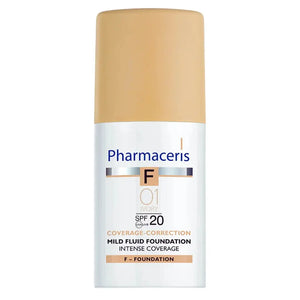 PharmacerisPharmaceris F Mild Fluid Foundation SPF 20 Intense Coverage 01 Ivory 30ml (derma.pk Exclusive)
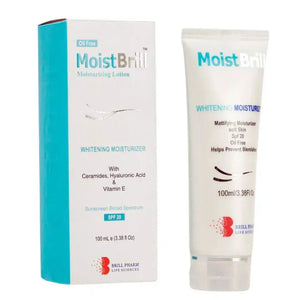 Brill PharmMoistbrill Oil-Free Moisturizer for Oily Skin SPF 20 100ml — Sunscreen, Sunblock, UV Protection
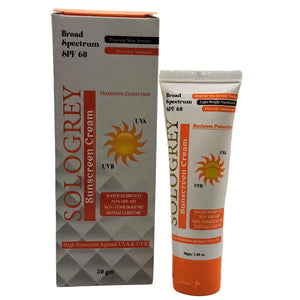 Grey DermGrey Derm Sologrey SPF 60 Broad Spectrum Sunscreen Cream 30g — Sunblock, UV Protection
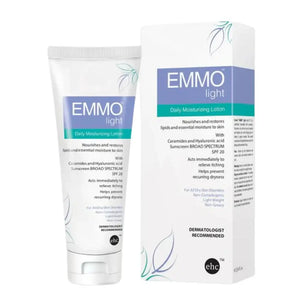 Essentials HealthcareEmmo Light Daily Moisturizing Lotion SPF 20 — Sunscreen, Sunblock, UV Protection


 Sold
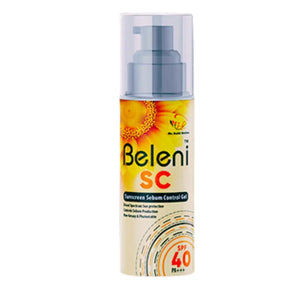
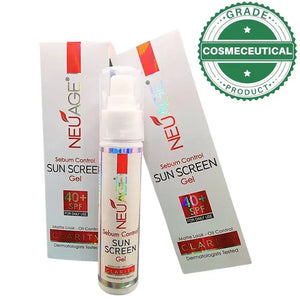
SoldOut Derma TecnoNeuage SPF 40 Sebum Control Matte Sunscreen Gel 50ml — Acne & Pimples
 New
La Roche-PosayLa Roche-Posay Anthelios UVMune 400 Invisible Fluid Non-Perfumed Suncream SPF50+ 50ml
New
La Roche-PosayLa Roche-Posay Anthelios UVMune 400 Invisible Fluid Non-Perfumed Suncream SPF50+ 50ml

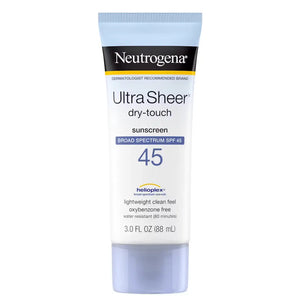

 New
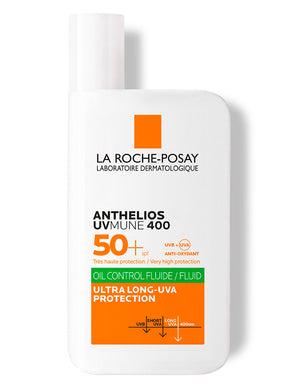
La Roche-PosayLa Roche-Posay Anthelios UVMune 400 Oil Control Invisible Fluid SPF50+ for Oily, Blemish-Prone Skin 50ml
New
La Roche-PosayLa Roche-Posay Anthelios UVMune 400 Oil Control Invisible Fluid SPF50+ for Oily, Blemish-Prone Skin 50ml
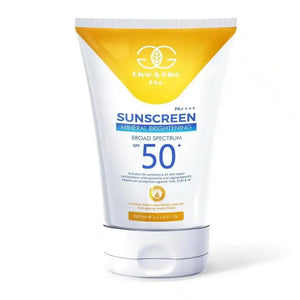
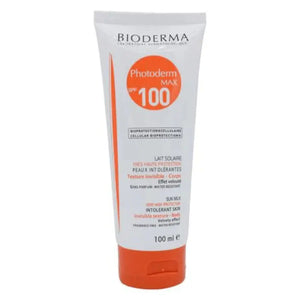


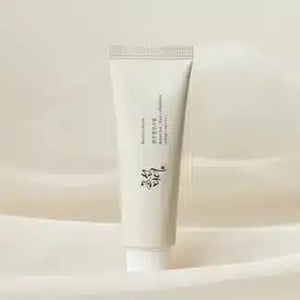
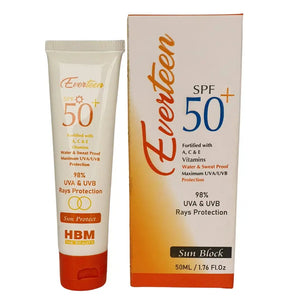


Sunblock & SPF Sunscreen in Pakistan
Achieve total sun protection with Derma.pk sunblock and SPF products — broad-spectrum sunscreens for face and body that defend against UVA and UVB, tanning and pigmentation.
Explore by SPF & type
SPF 50, SPF 100, Tinted Sunscreens, Non-Comedogenic, Water-Resistant.
Frequently asked questions
Which SPF should I use?
For daily city use, SPF 30 to 50 is enough. For prolonged sun, swimming or outdoor work, choose SPF 50+ or SPF 100 and reapply every 2 to 3 hours.
What sunscreen is best for oily, acne-prone skin?
Choose a non-comedogenic, oil-free or gel sunscreen so it protects without clogging pores. Tinted mineral formulas also help with pigmentation.
How much sunscreen should I apply?
Use about two finger-lengths for the face and neck, and reapply every few hours when outdoors for full protection.
Is cash on delivery available?
Yes. Derma.pk offers cash on delivery across Pakistan with fast nationwide shipping.