
Fungal Relief & Itch
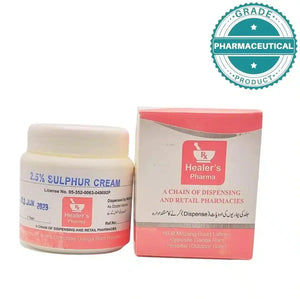


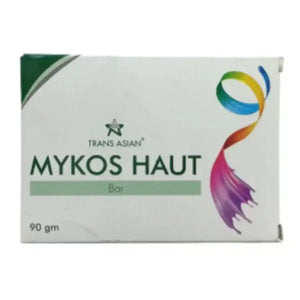
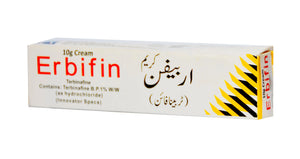
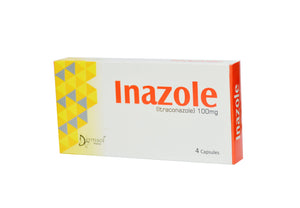
 PharmasolSporizol Capsule 100mg – Itraconazole for Fungal Infections | Antifungal — Ringworm & Itching


 Sold
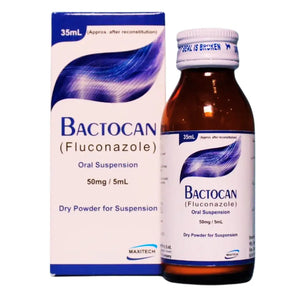
SoldOut MaxitechBactocan Fluconazole 50mg Oral Suspension — Antifungal — Ringworm & Itching


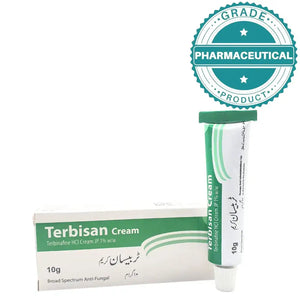
Fungal Relief & Itch: Comforting Support for Irritated Skin
Fungal relief & itch care products are specially formulated treatments.
Related: Antifungal Cream, Sensitive skin, Body Care.
Why Fungal Relief & Itch Matters for Daily Comfort
Fungal Relief & Itch is designed to help calm irritated skin and bring comfort when fungal concerns cause redness, burning, or persistent itching. These symptoms can interfere with sleep, focus, and everyday confidence, especially when they return often or spread to sensitive areas. A good solution should not only ease discomfort but also support healthier-feeling skin as part of a simple routine. That is why many people look for a product that works gently yet effectively. When skin feels less irritated, it becomes easier to stay active, feel clean, and manage the problem without adding unnecessary stress to the day.
How a Simple Routine Supports Better Skin Care
Using Fungal Relief & Itch as part of a consistent routine can make a real difference in how skin responds over time. Fungal issues often thrive in warm, moist areas, so keeping the skin clean and dry is an important step in prevention and relief. A targeted product may help reduce itching while supporting the skin’s natural balance. Pairing treatment with smart habits, such as changing out of damp clothing and avoiding shared towels, can improve results. The goal is to create an easy daily approach that helps soothe symptoms while also lowering the chance of repeat irritation and discomfort.
What to Expect from Regular Use
With regular use, Fungal Relief & Itch can help create a more comfortable skin experience by easing the cycle of scratching and irritation. Itching often makes fungal problems worse because scratching can further inflame the area and spread discomfort. A soothing approach may help break that cycle and give skin time to recover. Many people want relief that fits naturally into their routine without being complicated or harsh. When used correctly, a well-designed product can support skin comfort, improve confidence, and make daily movement feel easier. For best results, consistency matters, along with patience and proper care.
Helpful Habits That Work Alongside Relief
Fungal Relief & Itch works best when paired with practical habits that protect the skin and limit future flare-ups. Wearing breathable fabrics, showering after sweating, and keeping skin folds dry can reduce the conditions fungi often prefer. It also helps to avoid overly tight clothing and to choose personal care products that do not add extra irritation. These small changes can support the relief you feel and make your routine more effective. By combining good hygiene with a focused solution, you can build a stronger defense against recurring discomfort. This balanced approach helps keep skin calmer, cleaner, and more comfortable each day.