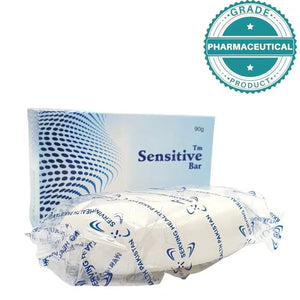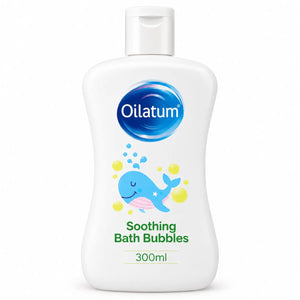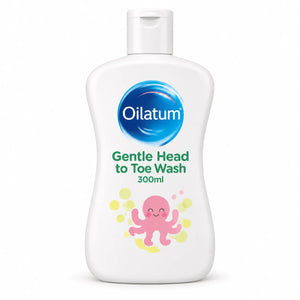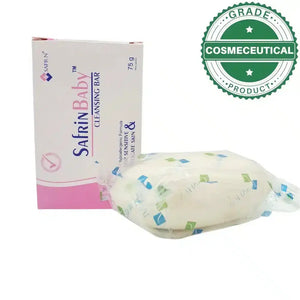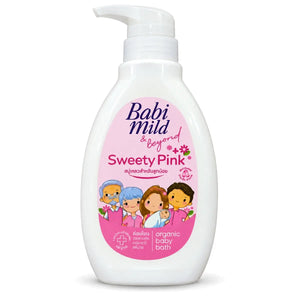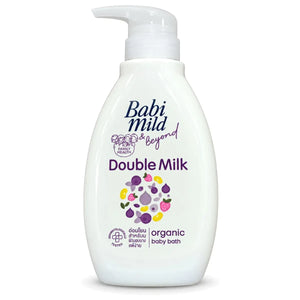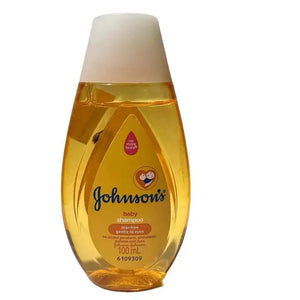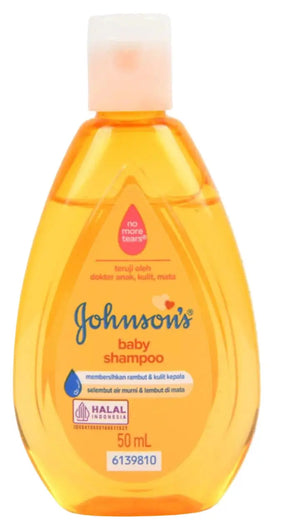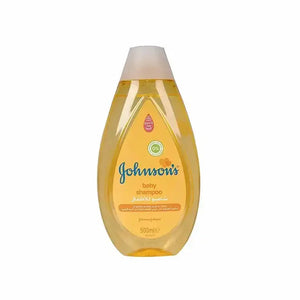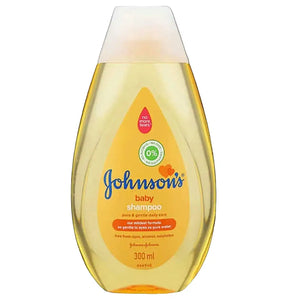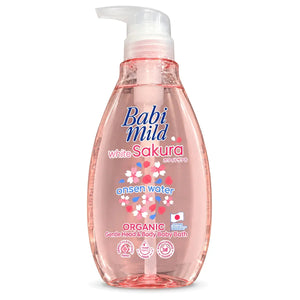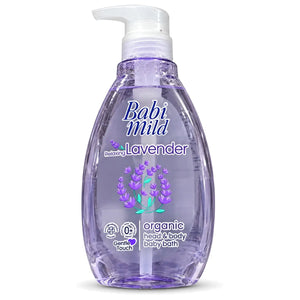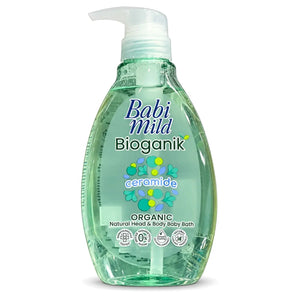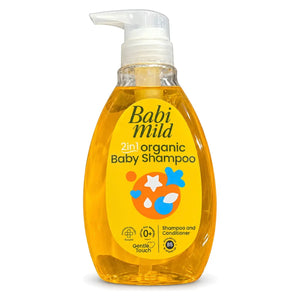
Baby Wash & Shampoos

Gentle Purity: Baby Wash & Shampoos The cleansing ritual for an infant requires a delicate balance between maintaining hygiene and preserving the skin natural defenses....

Dermatological Standards for Baby Cleansing: Protecting the Barrier

Bathing an infant is more than just a routine; it is a critical time for skin barrier maintenance. Because infant skin is thinner and has a higher surface area-to-volume ratio than adult skin, it absorbs and loses moisture more rapidly. At Derma.pk, we emphasize the use of clinical cleansers that respect this unique physiology.

The Importance of Soap-Free Formulations

Traditional soaps are often alkaline, which can strip the skin of its essential lipids and disrupt the natural pH. This disruption can lead to dryness, irritation, and an increased risk of infection. Clinical baby washes are formulated as "syndets" (synthetic detergents) that are perfectly buffered to match the skin's natural acidic pH, ensuring the protective barrier remains functional and strong.

Tear-Free Technology: Ocular Safety

Infants have a reduced blink reflex and produce fewer tears, making their eyes more susceptible to irritation from standard surfactants. Tear-free shampoos are engineered with large-molecule cleansers that cannot penetrate the eye's surface, preventing the stinging and redness associated with adult hair care products. This ensures that the scalp can be thoroughly cleaned without causing ocular distress.

Managing the Infant Microbiome

The skin's microbiome is a diverse ecosystem of beneficial bacteria that helps protect against pathogens. Harsh chemicals and antibacterial agents can kill off these "good" bacteria. By using a gentle, dermatologically tested wash, you support the healthy development of your baby's skin microbiome, which is essential for long-term skin health and immunity.

Optimal Bathing Practices

Dermatologists suggest that for the first few months, a baby does not need a daily bath. Three times a week is often sufficient to prevent skin dehydration. When bathing, use lukewarm water and limit the duration to five or ten minutes. Applying a clinical-grade moisturizer immediately after patting the skin dry helps to "lock in" the hydration provided during the bath.

Frequently Asked Questions

1. Is it safe to use baby wash on a newborn?

Yes, provided the wash is specifically formulated for newborns and is fragrance-free and pH-balanced. During the first few weeks, many parents use only lukewarm water, but a clinical-grade baby wash can be beneficial for gently removing oils and environmental debris.

2. What does "tear-free" actually mean?

Tear-free formulas use specific surfactants that are large in molecular size. Because they are large, they cannot penetrate the sensitive tissues of the eye, which prevents the stinging sensation. They are also tested to have a pH similar to human tears.

3. Can I use the same product for my baby's hair and body?

Many professional baby washes are formulated as "head-to-toe" cleansers, meaning they are safe and effective for both the skin and the hair. These are excellent for simplifying the bathing process while ensuring total skin safety.

4. How can I treat my baby's cradle cap during bath time?

Use a gentle baby shampoo and massage the scalp with a soft brush or your fingertips to loosen the scales. If the cradle cap is persistent, look for a medicated infant shampoo at Derma.pk that contains very mild exfoliating agents specifically designed for babies.

5. Why should I avoid sulfate-based shampoos for my baby?

Sulfates like SLS and SLES are powerful detergents that can be very drying and irritating to an infant's delicate skin and scalp. Sulfate-free formulas cleanse effectively using gentler alternatives that do not strip the skin's natural oils.

6. Is it okay to use scented baby wash?

While many baby products have a "clean" scent, synthetic fragrances are a leading cause of skin allergies and irritation. For the best clinical safety, especially for babies with sensitive skin or eczema, fragrance-free products are always recommended.

7. How often should I wash my baby's hair?

Most babies only need their hair washed two or three times a week. If your baby has a lot of hair or is prone to cradle cap, you may wash it more frequently, provided you are using a very gentle, clinical-grade shampoo.

8. Can I use adult shampoo on my baby in an emergency?

It is not recommended. Adult shampoos are formulated for much more resilient skin and contain higher concentrations of detergents and fragrances that can cause a severe reaction on an infant's thin scalp or sting their eyes significantly.

9. My baby has eczema. What type of wash should I use?

Look for a wash that is labeled as "soap-free" and "moisturizing." These products often contain ingredients like ceramides or colloidal oatmeal that help to soothe inflammation and repair the skin barrier while cleansing.

10. How long do baby washes and shampoos last?

Generally, these products have a shelf life of twelve to twenty-four months. Because they are often formulated with fewer preservatives, it is important to check the expiration date and discard any product that has changed in consistency or smell.