Fungal & Eczema Treatments

Dual-Action Care: Fungal & Eczema Treatments Skin conditions such as fungal infections and eczema (atopic dermatitis) often present with similar symptoms—redness, itching, and scaling—yet they...

Sort by:

Hydrophil-Moisturizing-lotion-2

HYDROPHIL MOISTURIZING LOTION (UREA BP 10%W/V) 180ml

Rs.590.00

Pay only

Rs.

226

now

Hydrophil lotion urea B.P 5%

HYDROPHIL MOISTURIZING LOTION (UREA BP 5% W/V) 120ml

Rs.307.60

Pay only

Rs.

117

now

Silcio Ceramide

Silcio Ceramide Moisturizer 140ml by ATCO - Deeply Hydrating Skin Care| derma.pk

Rs.1,776.00

Pay only

Rs.

680

now

Tazret Cream

TAZRET CREAM (TAZAROTENE) 15g

Rs.595.00

Pay only

Rs.

228

now

cuta soft 2

CUTA SOFT RICH MOISTURISING LOTION 90ml

Rs.600.00

Pay only

Rs.

230

now

1% CLOTRIMAZOLE POWDER

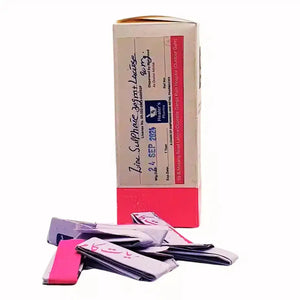
1% CLOTRIMAZOLE POWDER 50gm-DISPENSING MEDICINE

Rs.1,170.00

Pay only

Rs.

448

now

Myribase cream 125g

Myribase Cream 125g by Penlan Healthcare - Soothing Relief for Dry Skin Conditions| derma.pk

Rs.1,400.00

Pay only

Rs.

536

now

Dermive Moisturizing Wash Face

Dermive Moisturizing Wash Face & Body - Gentle Cleanser for Dry & Sensitive Skin | 100ml | derma.pk

Rs.1,198.00

Pay only

Rs.

459

now

Xirconi cream 30g

Xirconi Cream 1% w/w (30g) - For Fungal Skin Infections

Rs.375.00

Pay only

Rs.

143

now

dermi - ve moisturizer

Moisturizer dermi-ve

Rs.1,098.00

Pay only

Rs.

420

now

myribase cream 50g

Myribase Cream 50g by Penlan Healthcare - Soothing Relief for Dry Skin Conditions| derma.pk

Rs.750.00

Pay only

Rs.

287

now

Adapco Forte Gel

ADAPCO FORTE GEL (ADAPALENE GEL USP) 15gram

Rs.525.00

Pay only

Rs.

201

now

Fungus vs. Eczema: A Clinical Guide to Targeted Relief

Because fungal infections and eczema can both appear as red, scaly patches, a correct diagnosis is the first step toward recovery. Treating a fungal infection with a steroid (common in eczema creams) can actually worsen the infection, while using an antifungal on eczema may provide no relief. At Derma.pk, we focus on a science-based approach to differentiate and treat these distinct conditions.

Eradicating the Fungal Pathogen

Fungal infections thrive on keratin in warm, moist areas of the body. Clinical antifungal treatments work by inhibiting the production of ergosterol, a vital component of the fungal cell wall. To prevent recurrence, it is essential to continue the application for at least one week after the visible rash has cleared, ensuring all microscopic spores are neutralized.

Repairing the Eczematous Barrier

Eczema is characterized by a "leaky" skin barrier that allows moisture to escape and irritants to enter. Management focuses on "Lipid Replacement Therapy":

  • Ceramides: Essential fats that act as the "glue" between skin cells.
  • Humectants: Ingredients like Glycerin that draw water into the skin.
  • Occlusives: Rich ointments that seal in moisture and protect against environmental triggers.

Managing the Itch-Scratch Cycle

Both conditions cause intense pruritus (itching). Scratching causes micro-tears in the skin, which can lead to secondary bacterial infections (Staphylococcus aureus). Using clinical-grade soothing balms and avoiding hot water are critical steps in allowing the skin to heal. For eczema, "Wet Wrap Therapy" using professional emollients can significantly reduce inflammation during a flare-up.

Hygiene and Prevention Protocol

Prevention is as important as treatment. For fungal issues, keeping skin folds dry and using antifungal powders is key. For eczema, using soap-free cleansers and moisturizing within three minutes of bathing (the "3-minute rule") helps maintain the acid mantle. At Derma.pk, we provide the full spectrum of products needed for both active treatment and long-term preventative care.

Frequently Asked Questions

1. How do I know if my rash is fungal or eczema?

Fungal infections often have a defined, "ring-like" border (ringworm) and may clear in the center. Eczema is typically more diffuse, appearing as red, scaly patches in the creases of elbows or knees. For an accurate clinical diagnosis, it is always best to consult a professional.

2. Why does my eczema flare up in winter?

Cold air and indoor heating strip the skin of its natural moisture. During winter, dermatologists recommend switching from a lightweight lotion to a thicker, clinical-grade ointment to provide a stronger protective barrier.

3. Will antifungal cream help with white spots on the back?

White or discolored patches on the back are often caused by Pityriasis versicolor, a type of fungal overgrowth. While antifungal treatment will kill the fungus, the skin color may take several weeks or months to return to its original tone.

4. Can I use an eczema cream on a fungal infection?

No. Many eczema creams contain hydrocortisone (a steroid). While this may temporarily reduce itching, steroids suppress the local immune response, allowing the fungus to grow more rapidly—a condition known as tinea incognito.

5. How long does it take for fungal cream to work?

Visible improvement in itching and redness usually occurs within 48 to 72 hours. However, the treatment must be continued for the full duration (usually 2 to 4 weeks) to ensure the infection does not return.

6. Is it okay to use soap on eczema?

Standard soaps are often alkaline and can strip the skin's protective oils. We recommend using pH-balanced, soap-free "syndet" bars or liquid cleansers that clean without disrupting the skin barrier.

7. Are these treatments safe for children?

Many products are formulated specifically for pediatric use. Always look for hypoallergenic or pediatrician-tested labels, and consult a doctor before using medicated antifungals on infants.

8. Can a fungal infection spread to other parts of my body?

Yes. Fungal spores can be transferred via fingers, towels, or clothing. It is important to wash your hands immediately after applying treatment and to use a separate towel for the affected area.

9. Can stress cause eczema?

Stress does not "cause" eczema, but it is a major trigger. Stress increases cortisol levels, which can lead to systemic inflammation and a flare-up in those already predisposed to atopic skin.

10. Do these treatments expire?

Yes. Active antifungal agents and barrier-repair lipids degrade over time. Using expired products may be ineffective and could potentially irritate already sensitized skin. Always check the expiration date on the tube.