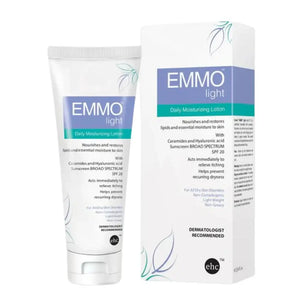
Eczema & Dryness

Clinical Restoration: Eczema & Dryness Managing eczema (atopic dermatitis) and chronic xerosis requires more than standard hydration; it requires a strategic restoration of the skin’s...

Sort by:

Hydrophil-Moisturizing-lotion-2

HYDROPHIL MOISTURIZING LOTION (UREA BP 10%W/V) 180ml

Rs.590.00

Pay only

Rs.

226

now

Hydrophil lotion urea B.P 5%

HYDROPHIL MOISTURIZING LOTION (UREA BP 5% W/V) 120ml

Rs.307.60

Pay only

Rs.

117

now

Silcio Ceramide

Silcio Ceramide Moisturizer 140ml by ATCO - Deeply Hydrating Skin Care| derma.pk

Rs.1,776.00

Pay only

Rs.

680

now

Tazret Cream

TAZRET CREAM (TAZAROTENE) 15g

Rs.595.00

Pay only

Rs.

228

now

cuta soft 2

CUTA SOFT RICH MOISTURISING LOTION 90ml

Rs.600.00

Pay only

Rs.

230

now

Myribase cream 125g

Myribase Cream 125g by Penlan Healthcare - Soothing Relief for Dry Skin Conditions| derma.pk

Rs.1,400.00

Pay only

Rs.

536

now

Dermive Moisturizing Wash Face

Dermive Moisturizing Wash Face & Body - Gentle Cleanser for Dry & Sensitive Skin | 100ml | derma.pk

Rs.1,198.00

Pay only

Rs.

459

now

dermi - ve moisturizer

Moisturizer dermi-ve

Rs.1,098.00

Pay only

Rs.

420

now

myribase cream 50g

Myribase Cream 50g by Penlan Healthcare - Soothing Relief for Dry Skin Conditions| derma.pk

Rs.750.00

Pay only

Rs.

287

now

METAFIL MOISTURISING CREAM

METAFIL MOISTURISING CREAM 50g

Rs.750.00

Pay only

Rs.

287

now

Adapco Forte Gel

ADAPCO FORTE GEL (ADAPALENE GEL USP) 15gram

Rs.525.00

Pay only

Rs.

201

now

HUDSON DAILY MOISTURIZER

HUDSON DAILY MOISTURIZER PH5.5 | 100ml

Rs.1,260.00

Pay only

Rs.

483

now

Understanding Atopic Skin: The Clinical Approach to Eczema

Eczema is fundamentally a barrier defect. When the stratum corneum (the outermost layer of skin) is "leaky," water escapes and environmental allergens enter, leading to a cascade of inflammation. At Derma.pk, we emphasize a medical approach to skin management that focuses on proactive protection and lipid replenishment.

The "Soak and Seal" Method

Dermatologists often recommend the "soak and seal" technique to maximize hydration for dry skin. This involves bathing in lukewarm water for 5-10 minutes, patting the skin partially dry, and immediately applying a clinical-grade emollient. This process traps the water in the skin, allowing the barrier-repair ingredients to penetrate more deeply and effectively.

Key Ingredients for Eczema Management

When treating sensitive, dry skin, the quality of ingredients is paramount:

  • Ceramides: Essential lipids that function as the "mortar" between skin cells, sealing in moisture and blocking irritants.
  • Colloidal Oatmeal: A clinically proven ingredient that soothes itching and provides a protective film over the skin.
  • Humectants (Glycerin/Hyaluronic Acid): Small molecules that pull water into the deeper layers of the epidermis to combat xerosis.

Managing Triggers in Humid and Dry Climates

Skin with eczema is highly sensitive to environmental shifts. In dry winter months, the skin requires thicker, occlusive ointments to prevent cracking. In humid conditions, lighter but equally potent barrier creams are necessary to avoid sweat-induced irritation. Maintaining a consistent routine regardless of the season is the key to preventing "rebound" flare-ups.

The Importance of Fragrance-Free Care

For someone with eczema, "unscented" and "fragrance-free" are not the same. Unscented products may still contain masking fragrances. Clinical care at Derma.pk prioritizes truly fragrance-free formulations, as synthetic scents are the leading cause of contact dermatitis and can significantly worsen an existing eczema condition.

Frequently Asked Questions

1. Can eczema be completely cured?

Eczema is a chronic condition, meaning there is no permanent "cure," but it can be managed so effectively that the skin appears and feels normal. The goal of clinical products at Derma.pk is to keep the skin in a state of remission and prevent future flare-ups.

2. What is the difference between a lotion, a cream, and an ointment?

The difference lies in the oil-to-water ratio. Lotions have the most water and are thinnest. Creams are thicker and better for moderate dryness. Ointments have the highest oil content and provide the strongest barrier, making them ideal for severe eczema and cracked skin.

3. Is it safe to use these products on a baby with eczema?

Many of the products in our Eczema collection are formulated specifically for pediatric use and are tested by dermatologists. However, always check the product labeling or consult with a professional to ensure the formula is appropriate for your infant's age.

4. Why does my skin still feel dry even after moisturizing?

If you are using a standard lotion, it may be evaporating too quickly or lacks the lipids needed to repair the barrier. Transitioning to a ceramide-rich cream and applying it to damp skin will help significantly with long-term hydration.

5. Can I use eczema creams on my face?

Yes, but ensure the product is labeled "non-comedogenic" to avoid clogging pores. Many clinical eczema creams are designed to be safe for both the face and body, providing soothing relief for facial dryness or eyelid dermatitis.

6. Should I stop using the cream once my eczema clears up?

No. This is a common mistake. Even when the skin looks clear, the underlying barrier defect is still present. Continuing a maintenance routine with a clinical barrier repair cream is essential to prevent the next flare-up.

7. Does diet affect eczema?

While eczema is primarily a skin barrier issue, some people find that certain foods can trigger an inflammatory response. However, it is always recommended to focus on a consistent, clinical skincare routine as the first line of defense.

8. What should I avoid if I have eczema?

Avoid hot showers, harsh soaps (use soap-free cleansers instead), synthetic fabrics like polyester, and products containing fragrance or high concentrations of alcohol, all of which can trigger itching and redness.

9. Can I use these creams with topical steroids prescribed by my doctor?

Yes. In fact, using a high-quality emollient alongside your prescribed medication can help the skin heal faster and may reduce the amount of steroid needed over time. Apply your medication as directed, and use the emollient as your overall barrier support.

10. How long does it take for a dry patch to heal?

With consistent use of clinical-grade topicals, you may feel relief from itching almost immediately. Visible improvement in skin texture and redness typically occurs within 7 to 14 days of regular application.