
Biotin



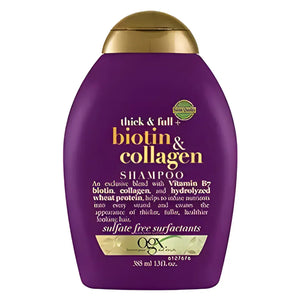

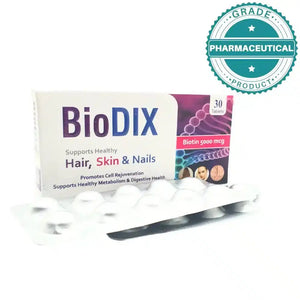


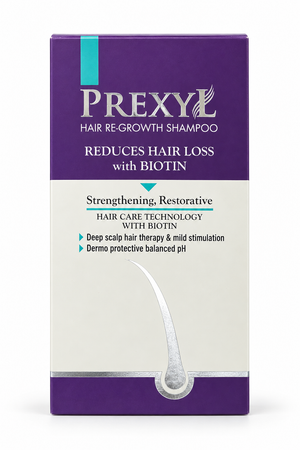

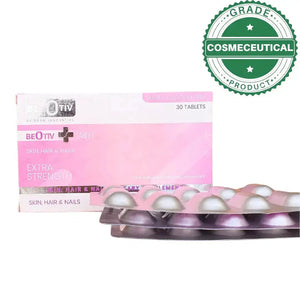

Biotin: Benefits, Sources, and What You Should Know
Related: Alopecia, Anti-Hair Fall & Hair Loss Solutions, Vitamin B12.
What Biotin Is and Why It Matters
Biotin is a B-vitamin, also known as vitamin B7, that helps your body turn food into energy. It supports the metabolism of fats, carbohydrates, and proteins, which makes it an important nutrient for everyday health. Biotin also plays a role in maintaining healthy hair, skin, and nails, which is why it is often included in wellness products and supplements. Although biotin deficiency is uncommon, getting enough from food can help support normal body functions. Many people look to biotin for its possible beauty benefits, but its main value is in helping cells work properly and keeping energy production running smoothly.
Common Food Sources of Biotin
Biotin can be found in a variety of foods, making it easy to include in a balanced diet. Good sources include eggs, nuts, seeds, salmon, sweet potatoes, spinach, and some dairy products. Whole grains and legumes may also provide biotin, along with small amounts from other everyday foods. Since cooking methods can affect nutrient levels, eating a mix of fresh and lightly cooked foods may help preserve more of the vitamin. A healthy diet with different protein-rich and plant-based foods is usually enough for most people to meet their biotin needs. For those with limited diets, paying attention to food choices becomes especially important.
Biotin Supplements and Daily Use
Biotin supplements are widely available and often sold as stand-alone capsules or as part of multivitamins and hair, skin, and nail formulas. People may choose supplements to support a low dietary intake or to fill gaps in their nutrition. However, more is not always better, and taking high doses does not necessarily lead to better results. It is also important to know that biotin can affect certain lab test results, which may lead to confusing readings if a healthcare provider is not informed. Before starting any supplement routine, it is smart to speak with a doctor or pharmacist, especially if you take medication or have a medical condition.
Benefits, Safety, and Practical Tips
Biotin is often associated with stronger hair and healthier nails, but its benefits are best seen when the body has enough of the vitamin to function normally. People with a true deficiency may notice symptoms such as thinning hair, skin changes, or brittle nails, and correcting the deficiency can help improve those issues. For most healthy adults, biotin from food is enough, and supplements should be used carefully. Choosing a well-balanced diet, reading product labels, and avoiding unnecessary megadoses are practical ways to stay safe. If you are considering biotin for cosmetic reasons, focus on overall nutrition, hydration, and consistency for better long-term support.