Understanding Diaper Dermatitis: Prevention and Clinical Treatment
Diaper rash, or irritant contact dermatitis, is one of the most common skin conditions in infancy. It occurs when the skin's protective barrier is compromised by prolonged exposure to wetness and the alkaline environment of a diaper. At Derma.pk, we emphasize a dual-action approach: neutralizing irritants and providing a mechanical shield to allow the skin to regenerate.
The Mechanical Shield: How Zinc Oxide Works
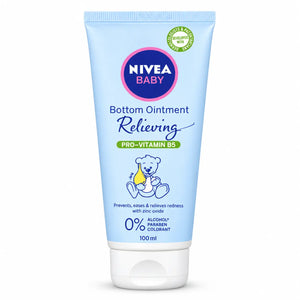
Zinc oxide is the primary active ingredient in most clinical diaper creams. Unlike a lotion that absorbs into the skin, zinc oxide sits on the surface. Its role is to act as a physical wall between the delicate epidermis and external moisture. This allows the skin underneath to heal in a dry, protected environment, even while the baby remains in a diaper.
Identifying the Type of Rash
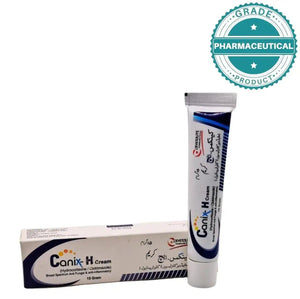
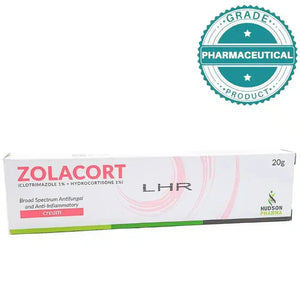
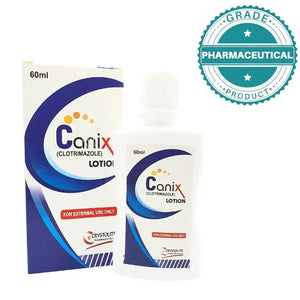
Not all diaper rashes are the same. A standard irritant rash usually appears as flat, red patches. However, if the rash persists or appears as bright red spots with "satellite" lesions, it may be a fungal (yeast) infection. At Derma.pk, we provide barrier creams that can be used alongside medicated treatments to ensure the skin is protected while the infection is being addressed.
The Role of Soothing Agents
Beyond the physical barrier, a high-quality cream should contain ingredients that actively calm the skin. Ingredients like Lanolin and Shea Butter replenish the skin's lipid content, while Vitamin E provides antioxidant support. These components work together to reduce the stinging sensation and heat associated with a severe rash, providing the infant with much-needed comfort.
Best Practices for Application
For a barrier cream to be effective, it must be applied correctly. Dermatologists recommend the "frosting" technique: apply a thick, visible layer of cream to the affected area, similar to icing a cake. This ensures that even if the diaper moves or becomes wet, a layer of protection remains on the skin. It is also vital to ensure the skin is completely dry before application to avoid trapping moisture beneath the barrier.