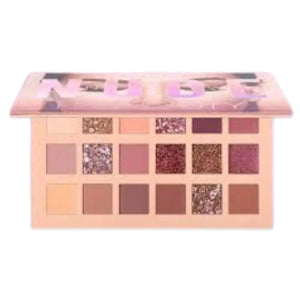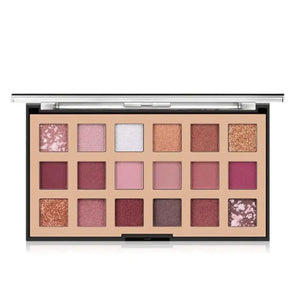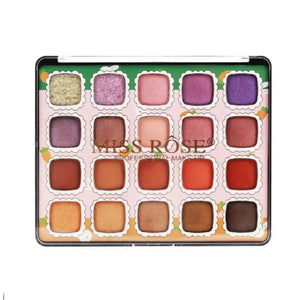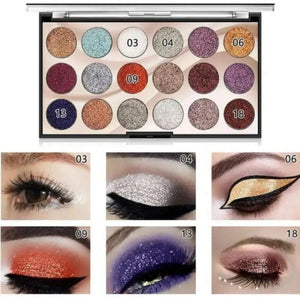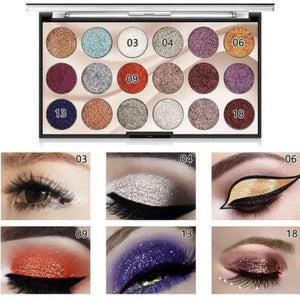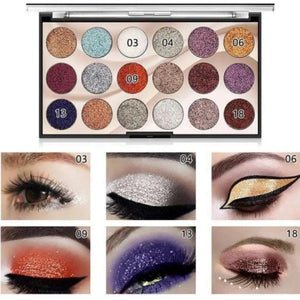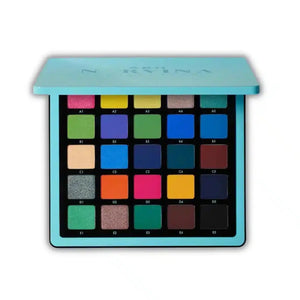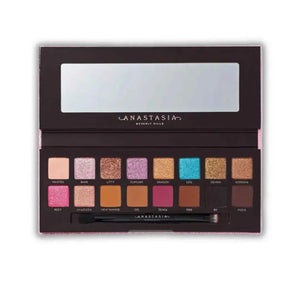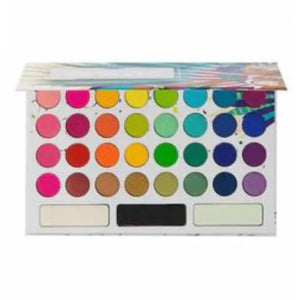
High-quality eyeshadows are characterized by "pigment payoff"—the amount of color that transfers to the skin with a single swipe. They should feel buttery or creamy to the touch, not chalky or dry. Additionally, they should blend easily into one another without becoming muddy or patchy.
Yes, we curate palettes that are dermatologically and often ophthalmologically tested. However, if you have very sensitive eyes, avoid shades with heavy red pigments (often found in purples and pinks) as these can occasionally cause mild reactions. Look for fragrance-free and paraben-free labels.
Fallout occurs when excess powder drops from the brush onto your cheeks during application. To prevent this, always tap your brush to remove excess product before applying it to the eye. You can also apply your eye makeup before your foundation so you can easily wipe away any stray pigment.
Creasing is usually caused by the natural oils on your eyelids breaking down the eyeshadow. To prevent this, always use an eye primer or a "setting" powder on your lids before applying color. This creates a barrier between the oils and the pigment.
Powder-based products generally have a long shelf life, typically 12 to 24 months after opening. You can tell a palette has expired if the smell changes, if a "film" forms over the powders that prevents color transfer, or if they start causing skin irritation.
Yes, fingers are actually excellent for applying shimmer and metallic shades. The natural warmth of your skin helps to melt the binders in the shadow, resulting in a more intense, foiled finish. For matte shades and detailed blending, brushes are still recommended.
According to color theory, "complementary" colors provide the best contrast. For brown eyes, purples and teals pop. For blue eyes, warm oranges and bronzes are ideal. For green eyes, burgundies and reddish-browns highlight the green tones beautifully.
Pressed pigments are more concentrated and have fewer "fillers" than standard eyeshadows. They offer intense color but can sometimes be more difficult to blend. Some pressed pigments are labeled as "not for the immediate eye area" in certain regions due to staining potential, though they are widely used by professionals.
To prevent bacteria buildup and maintain the purity of your colors, you should wash your brushes at least once a week. Use a gentle brush cleanser or a mild soap, rinse thoroughly, and always dry them flat to prevent water from damaging the glue in the handle.
Absolutely. Using a damp, angled brush with a dark eyeshadow shade can create a soft, smokey eyeliner look. This is often gentler on the eyes than traditional pencils and allows for more customization of color.