
Mandelic Acid
 Essentials HealthcareAcure Age Defense Serum 20% Mandelic Acid 60ml — Exfoliating & Skin Renewal


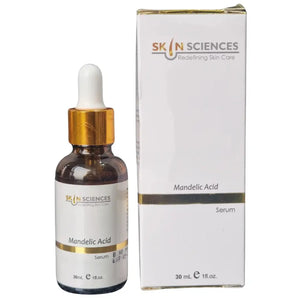
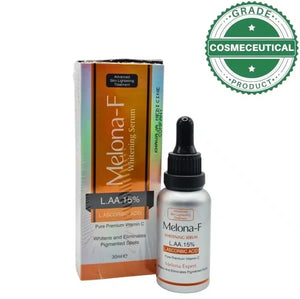
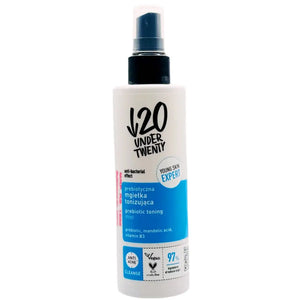
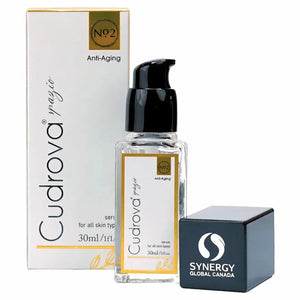
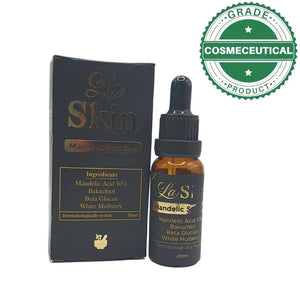
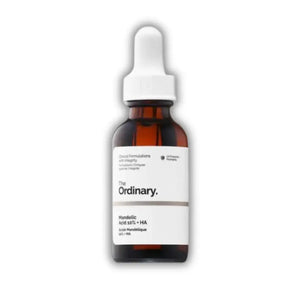


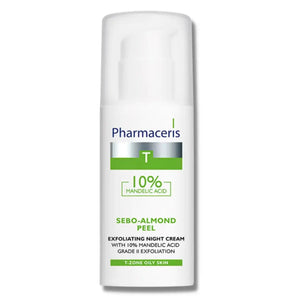
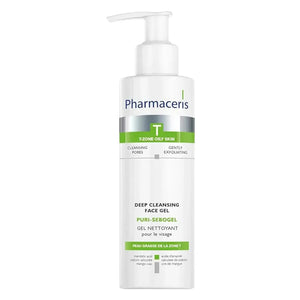

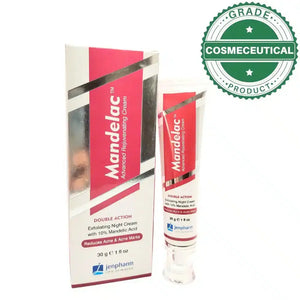 JenpharmMandelac Cream 10% Mandelic Acid – Advanced Night Rejuvenation 30g | Exfoliating & Skin Renewal
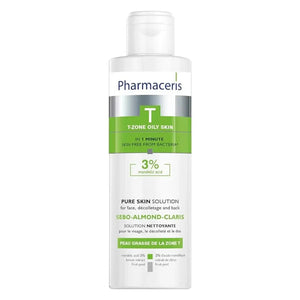
Mandelic Acid for Gentle Exfoliation and Clear Skin
Related: AHA, Brightening Serums, Hyperpigmentation.
What Mandelic Acid Is and How It Works
Mandelic Acid is an alpha hydroxy acid, or AHA, known for its gentle exfoliating power. It comes from bitter almonds and has a larger molecular size than many other acids, which means it penetrates the skin more slowly. This slower action makes it a popular choice for people who want smoother skin without heavy irritation. By helping remove dead skin cells from the surface, Mandelic Acid can improve texture, support a brighter look, and keep pores clearer. It is often used in cleansers, serums, and peel products designed for regular skincare routines.
Key Skin Benefits of Mandelic Acid
One of the main reasons people choose Mandelic Acid is its ability to improve multiple skin concerns at once. It can help reduce the look of clogged pores, rough texture, and uneven tone while supporting a fresher appearance. Because it is milder than some stronger acids, it may be suitable for skin that reacts easily to harsher treatments. Many users also value it for helping fade the look of dark marks left behind by acne. With steady use, Mandelic Acid can encourage a smoother, more balanced complexion and make other skincare products absorb more effectively.
Who Can Use Mandelic Acid Safely
Mandelic Acid is often recommended for beginners and for people with sensitive or acne-prone skin. Its gentle profile makes it a smart option for those who want chemical exfoliation without the sting that can come from stronger acids. Still, it should be introduced slowly, especially if the skin already feels dry, irritated, or over-exfoliated. A patch test is a good first step before using it on the face. Pairing it with moisturizer and sunscreen is also important, since exfoliating acids can make skin more sensitive to sunlight and environmental stress.
How to Add Mandelic Acid to a Routine
The best way to use Mandelic Acid is to start with a low concentration and apply it only a few times each week. This gives the skin time to adjust and lowers the chance of redness or peeling. It is usually used after cleansing and before moisturizing, but product instructions should always be followed. Because it can increase sun sensitivity, daytime sunscreen is essential. It is also wise not to combine it with too many strong actives at once, such as other acids or retinoids, unless a skin professional advises it. Consistency, patience, and gentle care help deliver the best results.