
Hyperpigmentation
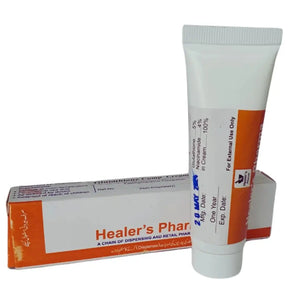 Healer's PharmaGlutathione Compound Cream 5% + Niacinamide 4% — Pores, Oil Control & Acne Marks

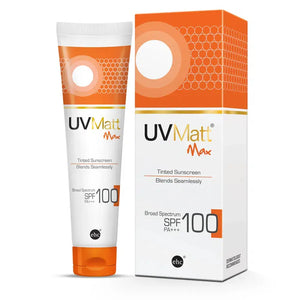
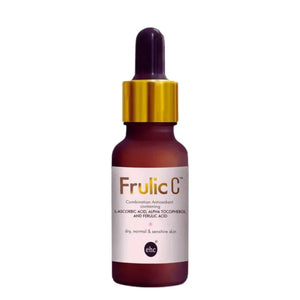
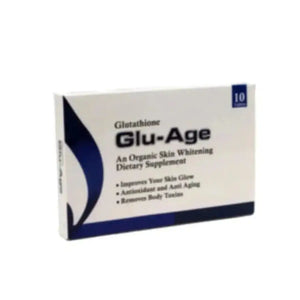

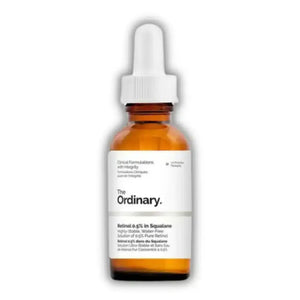
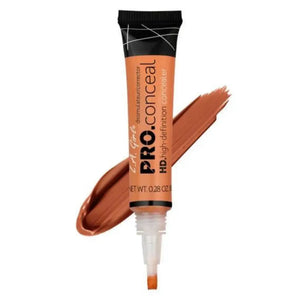
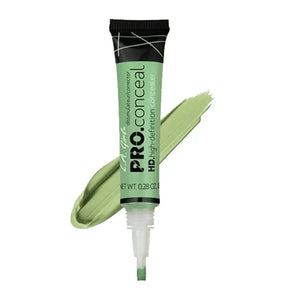
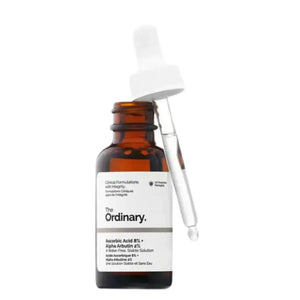

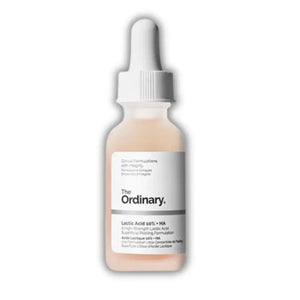
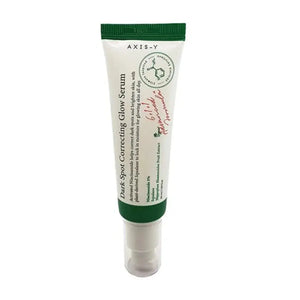
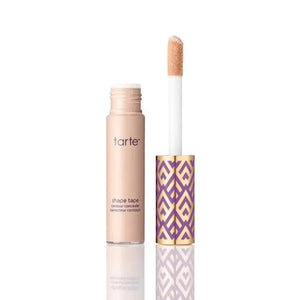
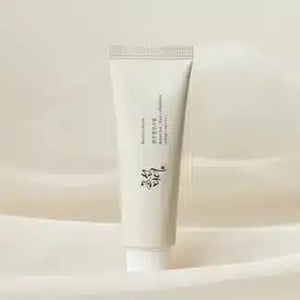 Sold
SoldOut Beauty of JoseonBeauty of Joseon Relief Sun Rice + Probiotics SPF 50+ PA++++ 50ml
 -48%
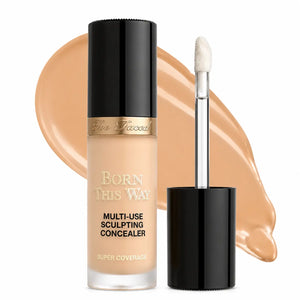
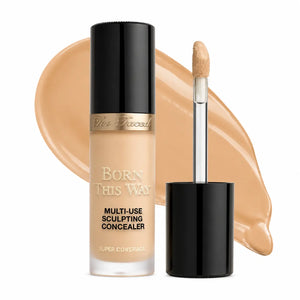
Too FacedToo Faced Born This Way Super Coverage Concealer Light Beige 13.5ml
-48%
Too FacedToo Faced Born This Way Super Coverage Concealer Light Beige 13.5ml
Understanding Hyperpigmentation and How to Manage It
Related: Anti Melasma, Pigmentation & Dark Spot Correctors, Vitamin C, Uneven Skin Tone.
What Hyperpigmentation Is and Why It Happens
Hyperpigmentation is a common skin condition that causes patches of skin to become darker than the surrounding area. It happens when the skin makes too much melanin, the pigment responsible for skin color. This extra pigment can appear on the face, hands, shoulders, or anywhere the skin has been exposed to the sun or irritation. While hyperpigmentation is usually harmless, many people seek treatment because it can affect confidence and create an uneven skin tone. Understanding the cause is the first step toward choosing the right care and preventing new dark spots from forming.
Common Types and Triggers of Hyperpigmentation
There are several types of hyperpigmentation, and each has different causes. Post-inflammatory hyperpigmentation often appears after acne, eczema, cuts, or other skin injuries. Melasma is another common form, usually linked to hormones and sun exposure, and it often shows up on the face. Sun spots, also called age spots, develop after long-term exposure to ultraviolet light. Certain medications, skin treatments, and even friction from clothing can also trigger dark patches. Because different causes need different approaches, identifying the type of hyperpigmentation helps guide the most effective treatment and reduces the chance of the problem coming back.
Ways to Treat and Reduce Dark Spots
Treating hyperpigmentation often starts with daily sun protection. Wearing broad-spectrum sunscreen helps stop dark spots from getting darker and protects the skin from new damage. Many people also use skincare ingredients such as vitamin C, niacinamide, retinoids, azelaic acid, or hydroquinone to fade discoloration over time. In more stubborn cases, a dermatologist may suggest chemical peels, laser treatments, or prescription creams. Results usually take time, so consistency matters. Gentle skincare is also important because harsh scrubbing or picking at the skin can make pigmentation worse. A steady routine can slowly improve tone and brightness.
How to Prevent Hyperpigmentation from Returning
Preventing hyperpigmentation is just as important as treating it. The best protection starts with daily sunscreen use, even on cloudy days or when staying indoors near windows. It also helps to avoid picking acne, scratching irritated skin, or using products that cause burning or redness. If a person is prone to dark marks, a simple skincare routine with gentle cleansing, moisturizing, and targeted brightening ingredients can support long-term results. Managing underlying skin issues like acne or inflammation can also lower the risk of new spots. With the right habits, it is possible to keep skin tone more even and reduce future flare-ups.