
Jock Itch
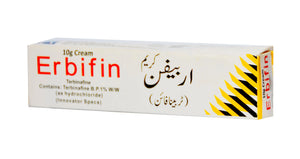


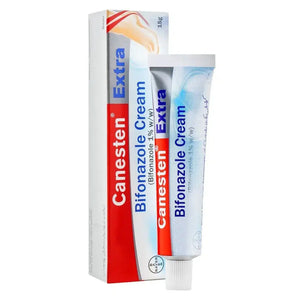
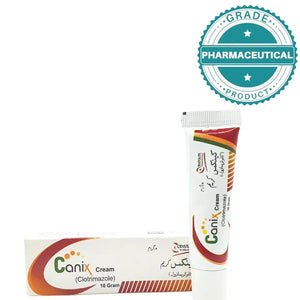
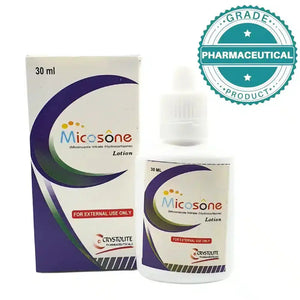
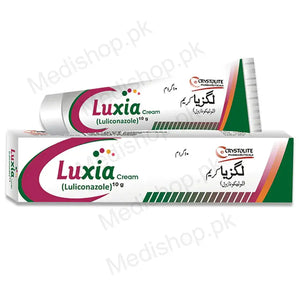


 MaxitechDimed-Z Betamethasone 0.05% & Clotrimazole 1% Cream 10g — Antifungal — Ringworm & Itching



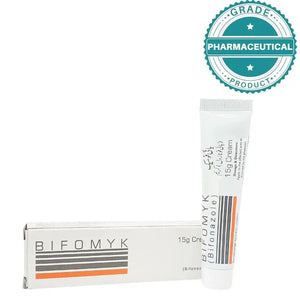
Effective Jock Itch Treatment and Relief Tips
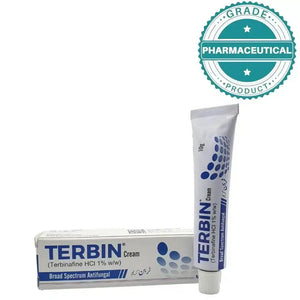
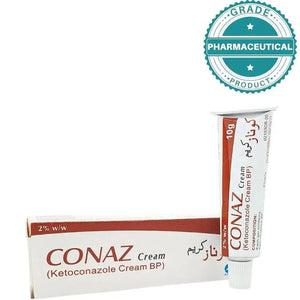
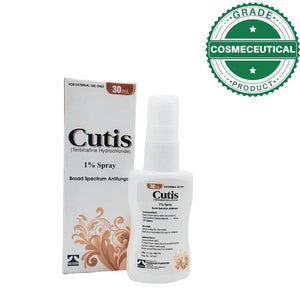
Related: Terbinafine, Clotrimazole, Medicated Skin Treatments.
What Jock Itch Is and Why It Happens
Jock itch treatment starts with understanding what causes this common skin problem. Jock itch is a fungal infection that affects the warm, moist skin around the groin, inner thighs, and buttocks. It often appears as a red, itchy, and sometimes flaky rash. Sweat, friction, tight clothing, and poor drying after exercise can make it worse. While it is not usually serious, it can be very uncomfortable and may spread if left untreated. Good hygiene, keeping the area dry, and early care are important for faster healing and fewer flare-ups. The right treatment can help reduce symptoms and stop the fungus from growing further.
Best Ways to Treat Jock Itch at Home
For many people, jock itch treatment begins with over-the-counter antifungal creams, sprays, or powders. Products with ingredients like clotrimazole, miconazole, or terbinafine can help clear the infection when used as directed. It is important to apply the medicine to clean, dry skin and continue using it for the full recommended time, even if symptoms improve quickly. Wearing loose, breathable underwear and changing out of sweaty clothes right away can also support healing. Avoid scratching, since it can irritate the skin and spread the infection. If the rash is mild, these steps often bring relief within a few days and full recovery in a few weeks.
How to Prevent Jock Itch from Coming Back
The best jock itch treatment also includes prevention, because the infection can return if the right habits are not followed. Shower after exercise, dry the groin area well, and use a clean towel each time. Choose moisture-wicking underwear and avoid tight clothing that traps sweat. If you are prone to sweating a lot, antifungal powders may help keep the area dry. Do not share towels, clothing, or personal items with others, since fungal infections can spread. Athletes and active people should pay special attention to hygiene after workouts. Keeping the skin cool, clean, and dry lowers the chance of another infection and supports long-term skin health.
When to See a Doctor for Jock Itch
Most cases respond well to jock itch treatment at home, but some situations need medical care. See a doctor if the rash does not improve after two weeks of treatment, keeps spreading, or becomes very painful. You should also get help if the skin breaks open, oozes, or shows signs of a bacterial infection such as swelling or pus. People with diabetes, weak immune systems, or frequent fungal infections may need stronger prescription medicine. A doctor can confirm whether the rash is truly jock itch or another condition like eczema or psoriasis. Getting the right diagnosis helps ensure proper treatment and faster recovery.