Stomach & Digestive Health Care – Shop at Derma.pk
Ulsanic Suspension 1g/5ml (120ml) - For Acidity & Ulcers
Ruling Capsules 20mg – Omeprazole for Heartburn, Indigestion & Stomach Ulcers
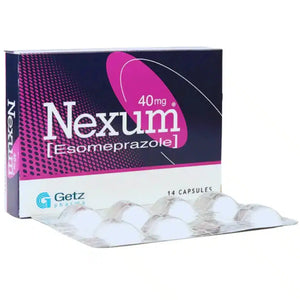
Nexum 40mg 14’s – Effective Acid Reflux and Stomach Ulcer Treatment
Dijex MP Mixed Fruit Suspension 120Ml
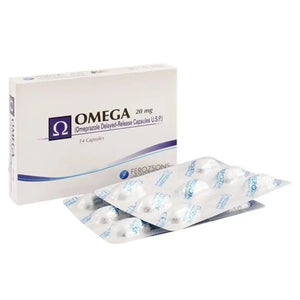
Omega 20mg Capsules (Omeprazole) - GERD & Ulcer Treatment - Ferozsons Laboratories
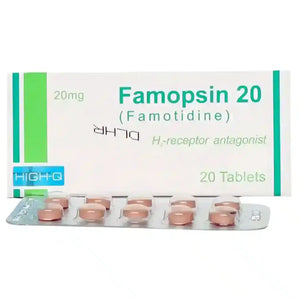
Famopsin Tablets 20mg (Famotidine) - Prescription Required|derma.pk
Frequently Asked Questions
1. What are the most common stomach and digestive issues?
The most common issues include: Indigestion (Dyspepsia): Upper abdominal discomfort, bloating, nausea. Heartburn (Acid Reflux/GERD): Burning sensation in the chest due to acid backflow. Constipation: Infrequent or difficult bowel movements. Diarrhea: Loose, watery stools. Bloating & Gas: Abdominal fullness and gas. Irritable Bowel Syndrome (IBS): Chronic abdominal pain, cramping, and altered bowel habits.
2. What's the difference between antacids, H2 blockers, and PPIs for heartburn?
Antacids (e.g., Gaviscon, Eno): Work by neutralizing existing stomach acid. Provide fast, temporary relief. H2 Blockers (e.g., Famotidine): Reduce the production of stomach acid. Slower onset than antacids but provide longer-lasting relief. Proton Pump Inhibitors (PPIs) (e.g., Omeprazole): Most powerful acid reducers, blocking acid production. Take longer to work (days) but provide the strongest and longest-lasting relief for frequent heartburn (GERD).
3. What type of laxative should I use for occasional constipation?
For occasional constipation, bulk-forming laxatives (e.g., Ispaghula Husk, Psyllium Husk) are often recommended first. They work naturally with water to add bulk to stool, making it softer and easier to pass. They are generally safe for long-term use. Osmotic laxatives (e.g., Lactulose) are also a good option. Stimulant laxatives (e.g., Senna, Bisacodyl) should only be used for short-term, acute relief due to the risk of dependency.
4. What should I do if I have diarrhea?
The most important thing for diarrhea is to prevent dehydration by drinking plenty of fluids, especially Oral Rehydration Salts (ORS). For acute, non-infectious diarrhea, an anti-diarrheal like Loperamide (e.g., Imodium) can help slow down bowel movements. However, if you have fever, blood in your stool, or suspect a bacterial infection, do not use Loperamide and consult a doctor.
5. What are probiotics and how can they benefit digestive health?
Probiotics are live beneficial bacteria and yeasts that are naturally found in your gut. Taking probiotic supplements can help: Restore gut flora balance: Especially after antibiotic use or during digestive upset. Improve IBS symptoms: Such as bloating, gas, and abdominal pain. Support immune health: A healthy gut contributes to a strong immune system. Aid digestion: By helping to break down food and absorb nutrients.
6. When should I seek medical attention for digestive issues?
You should consult a doctor if: Your symptoms are severe, persistent, or worsen despite OTC medication. You experience unexplained weight loss. You see blood in your stool or your stools are black and tarry. You have severe or persistent abdominal pain. You have persistent vomiting. You experience new or unexplained changes in your bowel habits. You have a pre-existing medical condition or are taking other medications. Symptoms affect children or infants
7. Are there natural ways to improve digestion?
Yes, several lifestyle and dietary changes can significantly improve digestive health: Eat a high-fiber diet: Plenty of fruits, vegetables, and whole grains. Stay hydrated: Drink plenty of water throughout the day. Exercise regularly: Physical activity stimulates bowel movements. Manage stress: Stress can severely impact gut health. Chew food thoroughly: Aids in the first step of digestion. Limit processed foods, unhealthy fats, and excessive sugar.
8. Can diet impact heartburn and indigestion?
Yes, diet plays a huge role. Certain foods can trigger or worsen heartburn and indigestion: Fatty, greasy, or fried foods Spicy foods Citrus fruits and juices Tomatoes and tomato-based products Chocolate Peppermint Coffee and carbonated beverages Alcohol Eating smaller, more frequent meals and avoiding lying down immediately after eating can also help.
9. Why should I buy Stomach & Digestive Health products from Derma.pk?
Derma.pk offers: 100% Authentic Products: Ensuring genuine medications and supplements from trusted pharmaceutical brands. Wide Range: Access to a variety of effective OTC solutions for different digestive concerns. Convenience: Shop from home with discreet, nationwide delivery across Pakistan. Competitive Pricing: Value for money on essential health products.
10. What is the role of prebiotics in gut health?
Prebiotics are non-digestible fibers that act as "food" for the beneficial bacteria (probiotics) in your gut. They help these good bacteria to grow and thrive, thereby supporting a healthy and balanced gut microbiome. Common sources include onions, garlic, bananas, oats, and specialized supplements.