
Finasteride


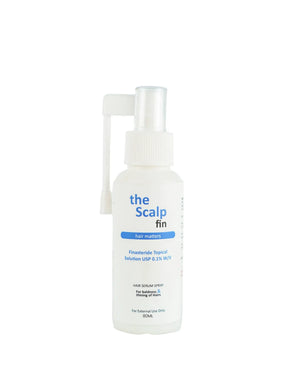

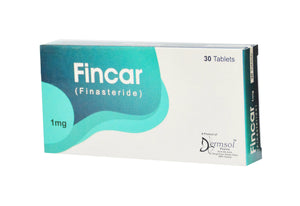
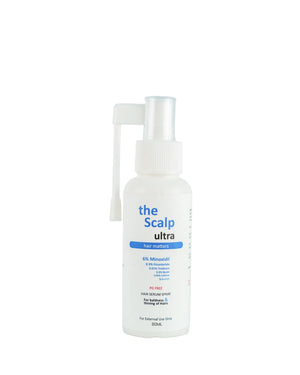
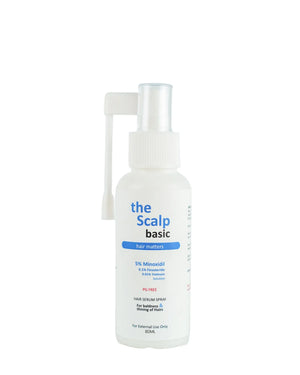
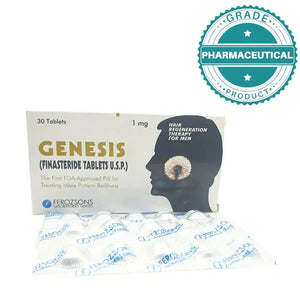
Finasteride Overview, Uses, and Key Safety Information
Related: Alopecia, Anti-Hair Fall & Hair Loss Solutions, 5% Minoxidil Finasteride Spray.
What Finasteride Is and How It Works
Finasteride is a prescription medicine used to treat hair loss and certain prostate conditions in men. It works by blocking the enzyme that changes testosterone into dihydrotestosterone, also called DHT. DHT is a hormone that can shrink hair follicles and contribute to male pattern baldness. By lowering DHT levels, finasteride may help slow hair loss and support regrowth in some users. It is usually taken once daily, and results often take several months to become noticeable. Because it affects hormones, it should be used only under medical guidance and with a clear understanding of possible benefits and risks.
Common Uses and Expected Results
Finasteride is commonly prescribed for androgenetic alopecia, which is the medical term for male pattern baldness. It is also used to treat benign prostatic hyperplasia, or BPH, a non-cancerous enlargement of the prostate gland. For hair loss, many people use it to help reduce further thinning at the crown and hairline. For prostate health, it may help improve urine flow and reduce symptoms such as frequent urination. Finasteride does not work the same way for everyone, and it is not a quick fix. Most people need consistent use over time, and stopping treatment may allow symptoms or hair loss to return gradually.
Possible Side Effects and Safety Considerations
Like all medicines, finasteride can cause side effects, although not everyone will experience them. Some reported effects include lower sex drive, trouble with erections, and reduced semen volume. In rare cases, users may notice mood changes or breast tenderness. These concerns make it important to talk with a healthcare provider before starting treatment, especially if you already have medical conditions or take other medications. Finasteride is not meant for use by women or children in most situations, and pregnant women should avoid handling broken tablets because of the risk to a male fetus. Safe use depends on proper dosing, regular follow-up, and honest discussion with a doctor.
Who Should Consider Finasteride
Finasteride may be a good option for adult men who want to manage hair thinning or improve symptoms linked to prostate enlargement. It is often considered when hair loss is progressing and when a patient wants a treatment that can be taken by mouth. However, it is not suitable for everyone, so medical evaluation matters. A doctor can review family history, current health, and treatment goals before recommending it. People should also understand that finasteride works best as part of a long-term plan, not a one-time solution. For the right patient, it can be a practical choice that offers meaningful support with consistent use and proper monitoring.