Malaria Symptoms - Know the Warning Signs
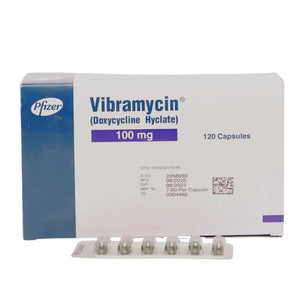
Vibramycin Capsules 100mg (Pack of 6) - Doxycycline for Bacterial Infections - derma.pk
Nordox Capsules 100mg (Doxycycline) - Platinum Pharmaceutical | derma.pk
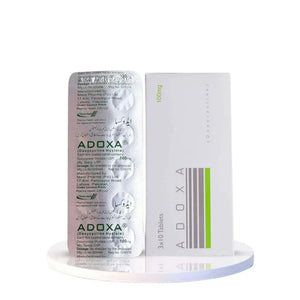
Adoxa Tablets 100mg (Doxycycline) |30 Tablets |- Pharmahealth | derma.pk
Frequently Asked Questions
What is malaria and how is it transmitted?
Malaria is a disease caused by the Plasmodium parasite, transmitted through the bite of an infected mosquito. The parasite enters the bloodstream, travels to the liver, and then infects red blood cells, causing symptoms like fever, chills, and fatigue. It's prevalent in tropical regions, especially in Pakistan.
What are the symptoms of malaria?
Common symptoms of malaria include fever, chills, headaches, nausea, vomiting, and abdominal pain. In some cases, malaria can lead to more serious complications, such as anemia or organ failure, especially if not treated promptly.
How can I prevent malaria?
Preventing malaria involves taking measures to avoid mosquito bites, such as using insect repellent, sleeping under mosquito nets, and wearing protective clothing. Additionally, anti-malarial medications may be prescribed to people traveling to areas where malaria is common.
What medications are used to treat malaria?
Malaria is treated with anti-malarial drugs such as chloroquine, artemisinin-based combination therapies (ACTs), mefloquine, and primaquine. The choice of treatment depends on the type of malaria and the resistance patterns in the region.
How effective are anti-malarial medications?
Anti-malarial medications are highly effective when taken correctly and on time. However, the effectiveness depends on the strain of malaria and the medication prescribed. It's important to follow the doctor’s instructions carefully to avoid complications.
Is malaria contagious?
Malaria is not contagious from person to person. It is only spread through the bite of an infected mosquito. However, malaria can be transmitted from an infected pregnant woman to her baby or through blood transfusion in rare cases.
Can malaria be fatal?
Yes, malaria can be fatal if not treated properly, especially if left untreated for a long time. It can lead to complications like anemia, kidney failure, or brain swelling, which may be life-threatening. Prompt treatment is essential to avoid severe outcomes.
How long does it take for malaria treatment to work?
Malaria treatment typically takes a few days to start showing improvement in symptoms, but full recovery can take several weeks, depending on the severity of the infection and the type of treatment.
Can malaria be cured completely?
Yes, with proper treatment, malaria can be cured completely. The key to successful treatment is starting medication early and completing the full course of drugs prescribed by the doctor.
Can I take malaria medications while pregnant?
Some anti-malarial medications are safe during pregnancy, but others may pose risks to the fetus. If you're pregnant or planning to become pregnant and need malaria treatment, consult your doctor for the best options available.