
Medicated Skin Treatments (Antifungal, Eczema)


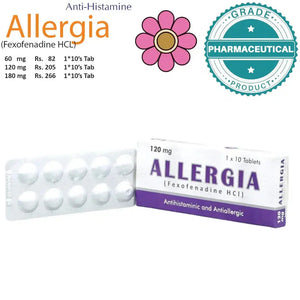
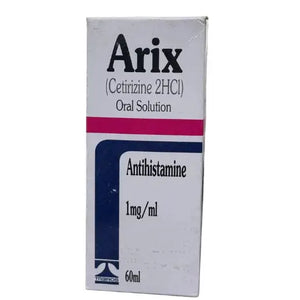

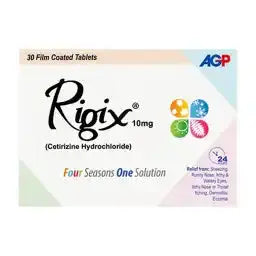

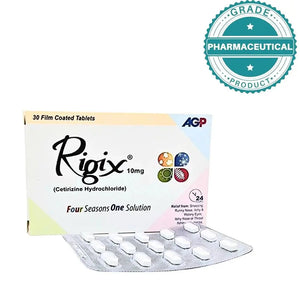

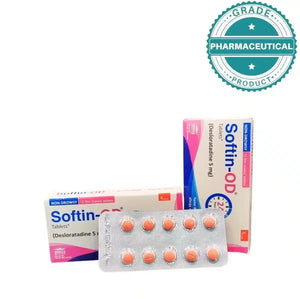
Medicated Skin Treatments for Antifungal and Eczema Relief
Related: Eczema, Psoriasis, Creams, Ointments & Gels.
Targeted Relief for Common Skin Concerns
Medicated Skin Treatments are designed to help manage skin issues that need more than basic moisture. This collection focuses on antifungal and eczema care, offering options that support comfort, healing, and everyday skin protection. When skin feels itchy, flaky, red, or irritated, the right treatment can make a noticeable difference. These solutions are made to address the cause of discomfort while helping restore a healthier skin barrier. Whether you are dealing with a recurring fungal rash or sensitive eczema-prone skin, these treatments provide a practical way to support skin health with focused, dependable care.
Antifungal Support for Itchy, Uncomfortable Skin
Fungal skin problems often appear in warm, damp areas and can spread quickly if ignored. Medicated Skin Treatments with antifungal ingredients help control the growth of fungus while easing symptoms like itching, burning, and scaling. These products are commonly used for conditions such as athlete’s foot, ringworm, and jock itch. Consistent use is important because fungal infections often improve slowly. The goal is not only to reduce visible signs but also to support full recovery and lower the chance of the problem coming back. With the right treatment, skin can feel calmer, cleaner, and more comfortable over time.
Eczema Care That Soothes and Protects
Eczema can make skin feel dry, rough, inflamed, and deeply irritated, especially during flare-ups. Medicated Skin Treatments for eczema are created to calm discomfort and help strengthen the skin barrier. These formulas may include ingredients that reduce redness, ease itching, and lock in moisture where skin needs it most. Because eczema skin is often sensitive, gentle but effective care matters. Using the right treatment regularly can help reduce flare-ups and make daily skin care easier. This kind of support is especially helpful for people looking for relief without harsh ingredients that may worsen dryness or irritation.
Choosing the Right Medicated Skin Treatment
Selecting the best treatment depends on the skin condition, symptom severity, and how your skin responds to different ingredients. Medicated Skin Treatments should match the specific concern, whether that is a fungal infection, eczema, or another irritated skin issue. It is important to follow product directions carefully and give treatment enough time to work. For sensitive or long-lasting problems, a dermatologist may recommend a stronger or more specialized option. A good skin care routine can also help support results, such as keeping skin clean, dry, and moisturized. With the right approach, these treatments can become an important part of healthier skin management.