
Hydrocortisone
 MaxitechFusimax-H Fusidic Acid 2% & Hydrocortisone Cream 15g — Antibacterial — Skin Infections
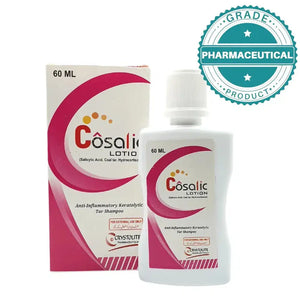 CrystoliteCosalic Lotion 60ml (Coal Tar + Salicylic Acid + Hydrocortisone) — Psoriasis & Scaly Skin
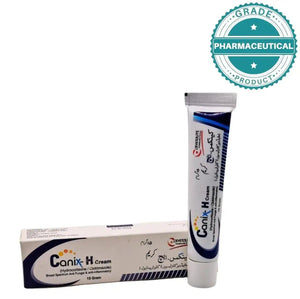
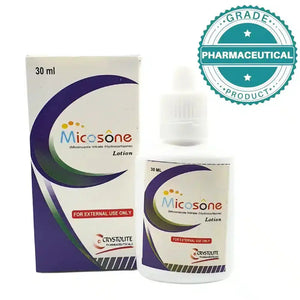
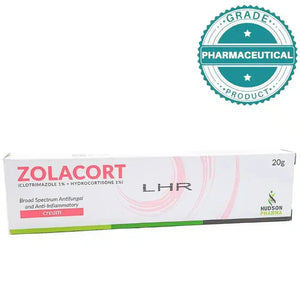

 Cell Laboratories (Pvt.) Ltd.Cell Laboratories Fuderm-H Fusidic Acid & Hydrocortisone Cream 15g
 Amson Vaccine & Pharma (Pvt.) Ltd.Hyzonate 500mg Injection (Hydrocortisone Sodium Succinate)
 Amson Vaccine & Pharma (Pvt.) Ltd.Hyzonate 100mg Injection (Hydrocortisone Sodium Succinate)

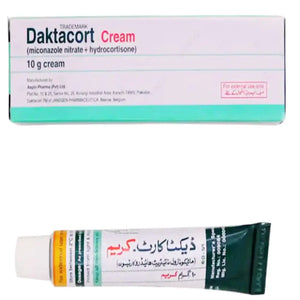
Hydrocortisone: Uses, Benefits, and Important Safety Information
Related: Eczema, Medicated Skin Treatments, Betamethasone Dipropionate.
What Hydrocortisone Is and How It Works
Hydrocortisone is a corticosteroid medicine used to reduce inflammation, redness, itching, and swelling. It works by calming the body’s immune response in the affected area, which helps relieve discomfort caused by skin irritation and certain allergic reactions. Many people use hydrocortisone in cream, ointment, lotion, or tablet form, depending on the condition being treated. The topical forms are often used for rashes, eczema, insect bites, and minor skin reactions. Because it acts quickly on inflamed tissue, hydrocortisone is a common first-choice treatment for mild to moderate skin symptoms that need fast relief.
Common Uses and When It May Be Recommended
Doctors may recommend hydrocortisone for a wide range of short-term conditions, especially those involving irritation or inflammation. It is commonly used to treat eczema, dermatitis, psoriasis flare-ups, insect bites, poison ivy, and mild allergic skin reactions. In some cases, oral or injectable hydrocortisone may be prescribed for more serious inflammatory issues, adrenal insufficiency, or specific medical emergencies. The strength and form depend on the problem, the area of the body, and the patient’s age. Using the right product is important, since stronger or longer treatment is not always better and may increase the risk of side effects.
How to Use Hydrocortisone Safely
Hydrocortisone should always be used exactly as directed by a doctor or as stated on the package label. For skin products, a thin layer is usually enough, and the medicine should be applied only to the affected area. It is important to wash your hands before and after use unless the treatment is for the hands themselves. Avoid applying it near the eyes, mouth, or open wounds unless told to do so. Do not use it for longer than recommended, because frequent or extended use can thin the skin or cause other unwanted effects. If symptoms do not improve, medical advice should be sought.
Possible Side Effects and Important Precautions
Most people tolerate hydrocortisone well when it is used correctly, but side effects can still happen. Topical use may cause mild burning, stinging, dryness, or irritation at first. With longer use, skin thinning, stretch marks, or changes in skin color may occur. More serious effects are more likely when high doses or strong forms are used for a long time. People with infections, diabetes, or skin thinning should be especially careful and ask a healthcare professional before use. Hydrocortisone may also interact with certain medicines or health conditions, so it is wise to share your full medical history if you need repeated treatment.
Practical Tips for Better Results
To get the best results from hydrocortisone, use it as part of a simple skin care routine. Keep the affected area clean and dry, and avoid scratching, which can make irritation worse. Moisturizers may help support the skin barrier, especially for dryness or eczema, but they should be used as directed alongside the treatment. If you are treating a child, follow age-specific guidance carefully, since children may be more sensitive to steroid medicines. Store hydrocortisone in a cool, dry place and check the expiration date before use. If the condition worsens, spreads, or returns often, medical evaluation may be needed.