Kidney Disorder Symptoms - Understand the Signs Now
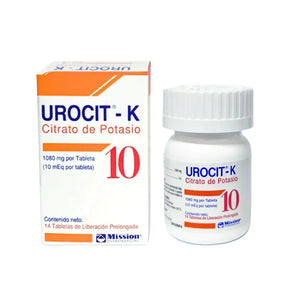
Urocit-K Tablets 1080mg (30 Tablets) - Kidney Stone Management - derma.pk
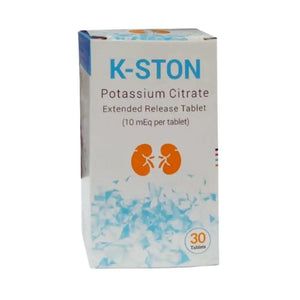
K-Ston Tablets (30 Tablets) - Kidney Stone Management - derma.pk
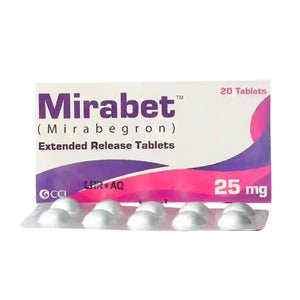
Mirabet Tablets 25mg (20 Tablets) - Overactive Bladder Treatment - derma.pk
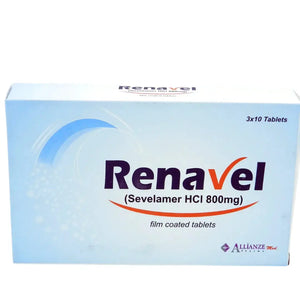
Renavel Tablets 800mg (10 Tablets) - Phosphate Binder for Dialysis Patients | derma.pk
Citralka 150ml 1’s – Urinary Tract Infections and Kidney Stone Treatment
Renavel 400mg Tab 30’s – Kidney Disease Management and Renal Health
Renavel 800mg Tab 30’s – Kidney Health and Chronic Kidney Disease Management
Urocit-K 1080mg Tablets – Potassium Citrate for Kidney Stones & Acidosis (30s)
Ketocell Tablets – Alpha Keto Analogue for Chronic Kidney Disease Support
Uristat 40mg Tablets – Febuxostat for Gout, Uric Acid, and Joint Pain Control
Uristat 80mg Tablets – Febuxostat for Uric Acid Control & Gout Treatment
Fenhil 20mg Tablet – Finerenone for Kidney and Heart Health
Frequently Asked Questions
What causes kidney disorders?
Kidney disorders can be caused by a variety of factors, including high blood pressure, diabetes, kidney infections, genetics, and certain medications. Lifestyle choices like excessive alcohol consumption, smoking, and a poor diet can also contribute to kidney damage over time.
What medications can help with kidney stones?
Medications like citrate supplements and pain relievers are commonly prescribed to help manage kidney stones. Citrate helps to dissolve stones, while pain relievers can ease discomfort during the passage of stones.
Can kidney disease be reversed?
Kidney disease, especially chronic kidney disease (CKD), cannot be fully reversed. However, its progression can be slowed with proper treatment, including medications, lifestyle changes, and regular monitoring by healthcare professionals.
How can I prevent kidney disorders?
Maintaining a healthy lifestyle is key to preventing kidney disorders. This includes managing your blood pressure and blood sugar, staying hydrated, eating a balanced diet, exercising regularly, and avoiding smoking and excessive alcohol consumption.
What are the symptoms of kidney disease?
Common symptoms of kidney disease include swelling in the legs, frequent urination, blood in the urine, fatigue, shortness of breath, and pain in the lower back or sides. If you experience any of these symptoms, it's important to seek medical attention.
How is kidney disease diagnosed?
Kidney disease is diagnosed through blood and urine tests, as well as imaging tests like ultrasounds or CT scans. Blood tests check for kidney function markers, such as creatinine levels and glomerular filtration rate (GFR).
What treatments are available for kidney disorders?
Treatments for kidney disorders depend on the type of condition and severity. Common treatments include medications (e.g., ACE inhibitors, diuretics), dialysis for advanced kidney failure, and lifestyle changes to help manage the condition.
Can high blood pressure affect my kidneys?
Yes, high blood pressure can damage the blood vessels in your kidneys over time, leading to kidney disease. Controlling your blood pressure with medication and lifestyle changes is crucial for preventing kidney damage.
Are there any dietary recommendations for kidney disease?
People with kidney disease are often advised to limit their intake of sodium, potassium, and phosphorus. A kidney-friendly diet includes eating lean proteins, avoiding processed foods, and staying hydrated.
Can I take over-the-counter medications for kidney disease?
Some over-the-counter medications, such as pain relievers, may affect kidney function, especially if taken in high doses. Always consult a healthcare provider before taking any medications if you have a kidney condition.