
Fever & Pain Relief


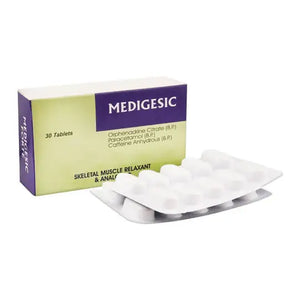
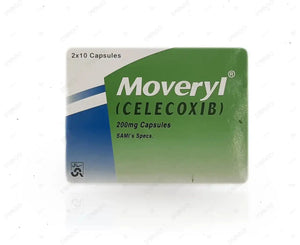


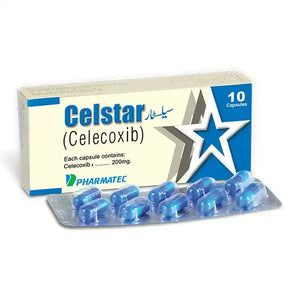
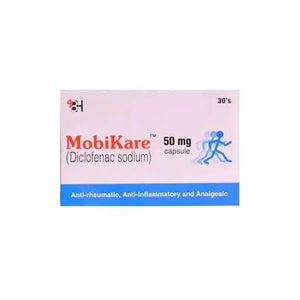


 Haleon GlaxosmithklinePanadol Children's Liquid Sugar Free 120ml – Paracetamol for Pain & Fever Relief


Pain Relief for Fever and Everyday Discomfort
Related: Muscle & Joint Pain Relief, Migraine & Headache Relief.
Fast Comfort When Fever Strikes
When fever comes with headaches, muscle aches, or general soreness, quick pain relief can make a big difference in how you feel and function. This collection is designed to help ease common discomforts linked to illness, so you can rest more comfortably and get through the day with less strain. Whether you are dealing with a mild fever or the full-body aches that often come with colds and flu, these options are made to support relief in a simple, practical way. The goal is to help reduce discomfort while you focus on recovery, hydration, and rest.
Reliable Support for Headaches and Body Aches
Not all pain feels the same, which is why choosing the right pain relief matters. Headaches can make it hard to concentrate, while sore muscles and joint aches can make even basic tasks feel tiring. This collection brings together solutions that are intended to address these everyday symptoms without adding unnecessary complexity. It offers dependable support for people looking for relief from fever-related discomfort, tension, and general aches. Easy to understand and simple to use, these products fit naturally into a routine built around comfort, care, and recovery.
Designed for Everyday Use and Convenience
When you are not feeling your best, convenience matters just as much as effectiveness. This collection is meant to provide pain relief options that are easy to choose, easy to use, and suitable for everyday needs. Whether you are shopping for home, travel, or your family medicine cabinet, having the right relief on hand can help you respond quickly when symptoms start. It is a practical choice for managing occasional fever and pain, especially when you want a solution that supports comfort without slowing down your routine. Simple access to relief can help make tough days feel more manageable.
A Smart Choice for Recovery and Rest
Fever and pain can leave you feeling drained, but the right support can help create a better recovery experience. This collection focuses on helping people find pain relief that fits into a calm, restful approach to healing. By easing discomfort, it becomes easier to sleep, relax, and give your body the chance to recover. For many people, that comfort is an important part of feeling better sooner. With practical options for common symptoms, this collection is a helpful resource for anyone looking to handle fever and aches with confidence and care.