
Rosacea

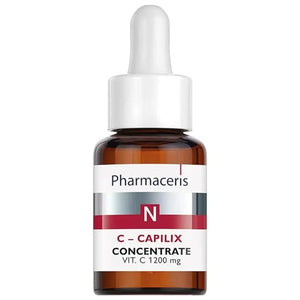
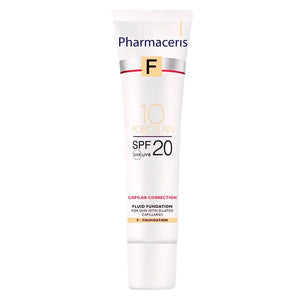
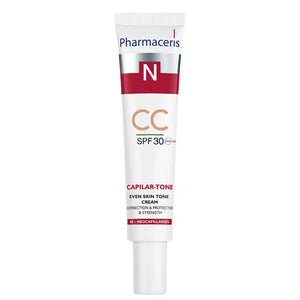
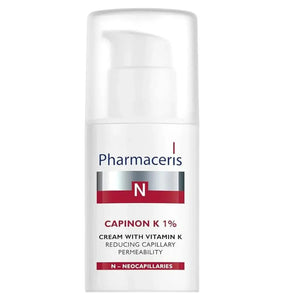


Rosacea: Causes, Symptoms, and Management
Related: Products for Sensitive Skin, Medicated Skin Treatments.
What Rosacea Is and How It Shows Up
Rosacea is a long-term skin condition that mainly affects the face, causing redness, visible blood vessels, and flare-ups that can come and go. In many people, it begins with easy flushing on the cheeks, nose, forehead, or chin, then slowly becomes more noticeable over time. Rosacea can also cause burning, stinging, and skin sensitivity, which may make daily care feel uncomfortable. Some people develop small bumps that look like acne, but rosacea is not the same as acne. Because the symptoms vary from person to person, it is important to understand the signs early and manage them before they become harder to control.
Common Triggers That Can Worsen Symptoms
Rosacea flare-ups are often linked to everyday triggers, and learning these can make a big difference in symptom control. Common triggers include heat, sunlight, spicy foods, alcohol, stress, hot drinks, wind, and harsh skin products. Even changes in weather or intense exercise may cause the face to flush or feel irritated. Since triggers differ from one person to another, keeping a simple symptom diary can help identify personal patterns. Once triggers are known, it becomes easier to avoid or reduce them. This does not cure rosacea, but it can lower the number of flare-ups and help the skin stay calmer and more comfortable.
Treatment Options and Daily Skin Care
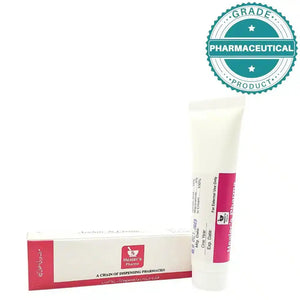
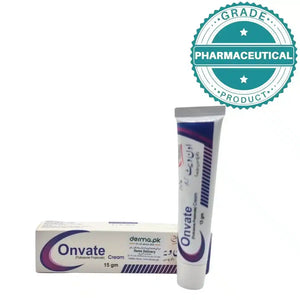
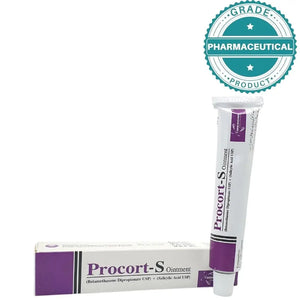
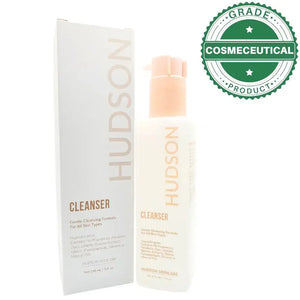
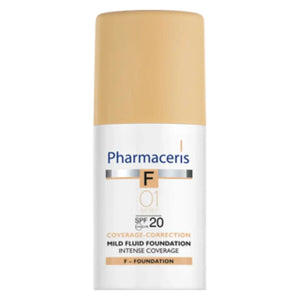
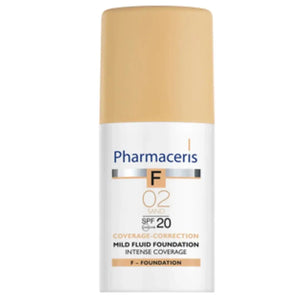
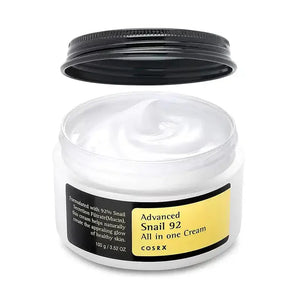
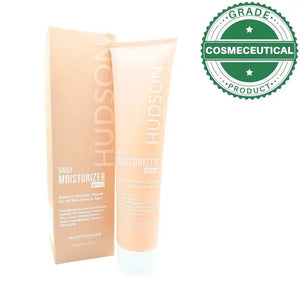
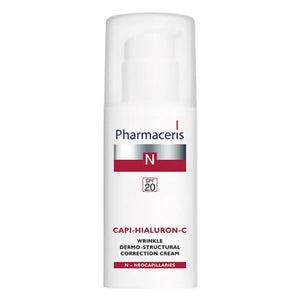
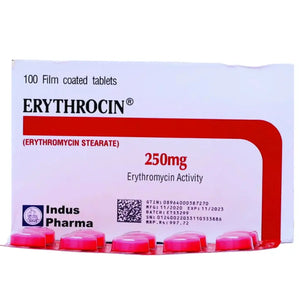
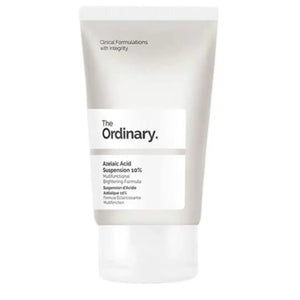
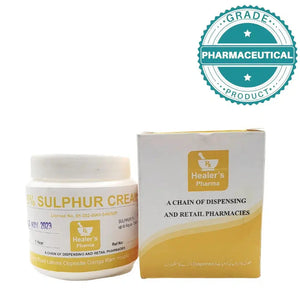
There is no permanent cure for rosacea, but many treatment options can reduce redness, bumps, and discomfort. Doctors may suggest prescription creams, oral medicines, or other therapies based on the type and severity of symptoms. Gentle daily skin care is also very important. Use a mild cleanser, fragrance-free moisturizer, and sunscreen every day to protect sensitive skin. Avoid scrubbing, harsh exfoliants, and products with alcohol or strong scents. It is also helpful to wash the face with lukewarm water instead of hot water. When medicine and careful skin habits are used together, many people can keep rosacea under better control and improve their skin’s appearance and comfort over time.
When to See a Doctor for Rosacea
If facial redness keeps getting worse, becomes painful, or starts affecting your eyes, it is a good idea to see a doctor. Eye symptoms can include dryness, irritation, redness, or a gritty feeling, and they should not be ignored. A healthcare professional can confirm whether the problem is rosacea or something else, then recommend the right treatment plan. Early care can help prevent symptoms from becoming more severe and may reduce the chance of lasting skin changes. Even if the symptoms seem mild, getting medical advice can provide peace of mind and make it easier to manage flare-ups with confidence and the right support.