Understanding Immunosuppressant Medications | Key Guide
Tacgraf Capsules 1mg (30 Capsules) - Immunosuppressant - derma.pk
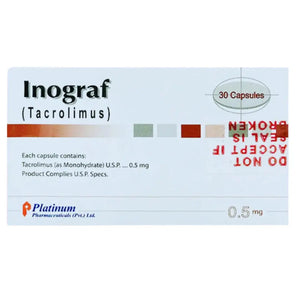
Inograf Capsules 0.5mg (10 Capsules) - Immunosuppressant - derma.pk
Mycofentil Tablets 500mg (50 Tablets) - Immunosuppressant - derma.pk
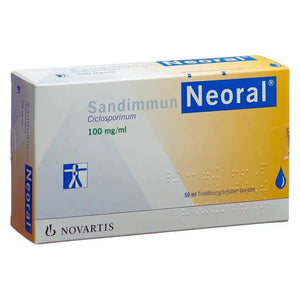
Sandimmun Neoral 50ml Oral Solution 100mg/ml (Cyclosporin) - Immunosuppressant - derma.pk
Imun Heoral (Cyclosporine) 50 Soft Gelatin Capsules - Crystolite
Frequently Asked Questions
What are immunosuppressants used for?
Immunosuppressants are used to suppress the immune system, preventing it from attacking the body’s tissues in autoimmune diseases, preventing organ transplant rejection, and managing inflammatory conditions like arthritis or psoriasis.
How do immunosuppressants work?
Immunosuppressants work by inhibiting certain parts of the immune system to reduce inflammation, prevent the body from rejecting transplanted organs, or suppress autoimmune reactions. By controlling immune system activity, they help reduce tissue damage.
What are the side effects of immunosuppressants?
The side effects of immunosuppressants vary depending on the type of medication but can include nausea, headaches, increased risk of infections, or skin rashes. Long-term use can also increase the risk of certain cancers. It's important to follow your doctor’s guidance closely.
Are immunosuppressants safe?
Immunosuppressants are generally safe when used as prescribed by a doctor. However, because they weaken the immune system, they can make you more vulnerable to infections and other complications. Regular medical checkups and monitoring are necessary when using these medications.
Can immunosuppressants be used for conditions other than autoimmune diseases?
Yes, immunosuppressants are also used for preventing organ rejection in transplant patients, as well as treating chronic inflammatory conditions like ulcerative colitis, psoriasis, and asthma.
How long do I need to take immunosuppressants?
The duration of immunosuppressant treatment depends on the condition being treated. For autoimmune diseases, treatment may be long-term. For transplant patients, immunosuppressants may be required for life to prevent organ rejection.
Do immunosuppressants affect pregnancy?
Immunosuppressants can have harmful effects during pregnancy and should only be taken if prescribed by a doctor who has assessed the potential risks and benefits. Always consult your healthcare provider before using immunosuppressants if you're pregnant or planning to become pregnant.
Can immunosuppressants be stopped suddenly?
Stopping immunosuppressants suddenly can lead to serious complications, including a flare-up of your condition or organ rejection. Always consult your doctor before making any changes to your medication regimen.
Are there natural alternatives to immunosuppressants?
While some people explore natural remedies, such as herbs or supplements, these are generally not a substitute for immunosuppressants in treating serious autoimmune conditions or preventing organ rejection. It’s important to work with your doctor to find the best treatment for your condition.
How do I know if immunosuppressants are working?
The effectiveness of immunosuppressants is typically monitored through regular medical checkups, including blood tests. If you notice side effects or changes in your symptoms, inform your doctor, who may adjust your treatment as needed.