Parasitic Infections Symptoms | Understand the Signs
Ivermite Tablets 6mg (10 Tablets) - Atco Laboratories - derma.pk
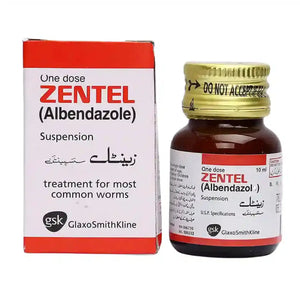
Zentel 10ml Oral Suspension 100mg/5ml (Albendazole) - GlaxoSmithKline - Derma.
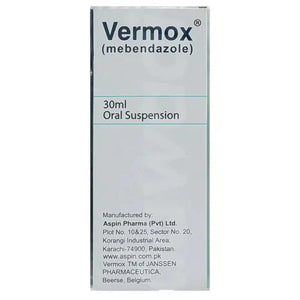
Vermox Oral Suspension 100mg/5ml (Mebendazole) - Aspin Pharma - derma.pk
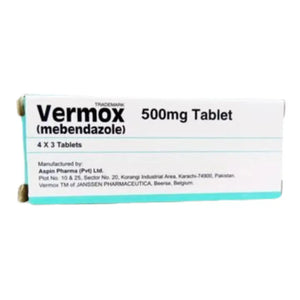
Vermox Tablets 500mg (3 Tablets) - Aspin Pharma - derma.pk
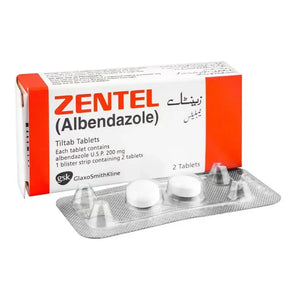
Zentel Tablets 200mg (2 Tablets) - GlaxoSmithKline - Derma.
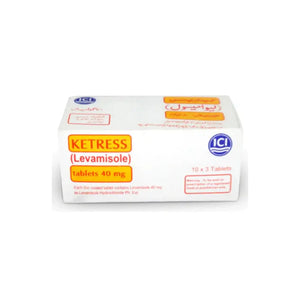
Ketress Tablets 40mg (3 Tablets) - ICI Pharmaceuticals - derma.pk
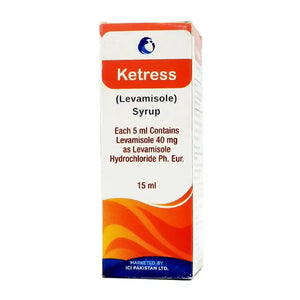
Ketress Syrup 40mg/5ml (15ml) - ICI Pharmaceuticals - derma.pk
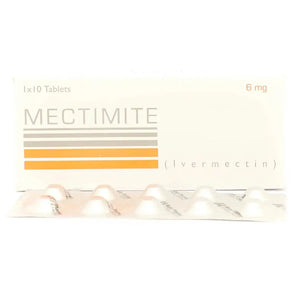
Mectimite Tablets 6mg (10 Tablets) - Pharmahealth - derma.pk
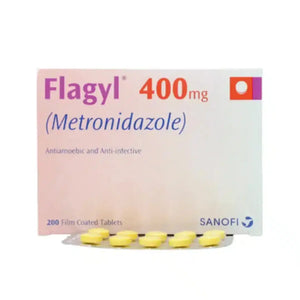
Flagyl Tablets 400mg (10 Tablets ) Bacterial Infection Treatment - derma.pk
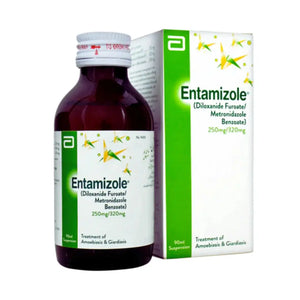
Entamizole 90ml Suspension (Diloxanide Furoate & Metronidazole) - Treat Amoebiasis & Giardiasis
Zentel 10ml Suspension 100mg/5ml – Worm Infection Treatment
Frequently Asked Questions
What are parasitic infections?
Parasitic infections occur when parasites, such as worms or protozoa, invade the body and disrupt its normal functioning. These infections can cause a variety of symptoms, including digestive issues, skin rashes, and fatigue. They are transmitted through contaminated food, water, soil, or by direct contact with infected animals or humans.
What are the symptoms of parasitic infections?
Common symptoms of parasitic infections include abdominal pain, diarrhea, fatigue, skin rashes, unexplained weight loss, and digestive issues. External parasites like lice can cause itching and discomfort, while intestinal parasites may lead to nausea and bloating.
How are parasitic infections treated?
Treatment for parasitic infections depends on the type of parasite involved. For internal parasites, medications like mebendazole or albendazole are often used. External parasites like lice are treated with topical creams or shampoos containing permethrin. In severe cases, combination treatments may be necessary.
How can I prevent parasitic infections?
Preventing parasitic infections involves practicing good hygiene, such as regular hand washing, especially before eating and after using the restroom. Additionally, ensure food and water are clean and safe, avoid contaminated soil, and use insect repellents to protect against external parasites.
Is it safe to self-diagnose and treat parasitic infections?
While some parasitic infections may be self-diagnosed based on symptoms, it’s always best to consult with a healthcare professional. A doctor can confirm the type of infection and recommend the most effective treatment based on your specific condition.
What is the most common type of parasitic infection?
The most common parasitic infections are intestinal worms, such as roundworms, hookworms, and tapeworms. Protozoan infections like giardiasis and amoebiasis are also widespread, especially in areas with poor sanitation.
Can parasitic infections cause long-term health problems?
If left untreated, parasitic infections can lead to chronic health issues such as malnutrition, weight loss, anemia, or long-term digestive problems. Early diagnosis and treatment are crucial to avoid complications.
How do I know if I have a parasitic infection?
Common signs of parasitic infections include unexplained weight loss, persistent abdominal pain, diarrhea, and fatigue. If you experience these symptoms, it’s important to see a healthcare provider for proper testing and diagnosis.
Can parasitic infections be transmitted to others?
Yes, parasitic infections can be contagious, especially those transmitted through contaminated food, water, or close personal contact. Practicing good hygiene and avoiding contact with infected individuals can help reduce the risk of transmission.
How long does it take to recover from a parasitic infection?
Recovery time varies depending on the severity of the infection and the type of parasite. With proper treatment, most parasitic infections can be resolved within a few weeks. However, some infections may require ongoing treatment for full recovery.