Irritable Bowel Syndrome Symptoms - Understand the Signs
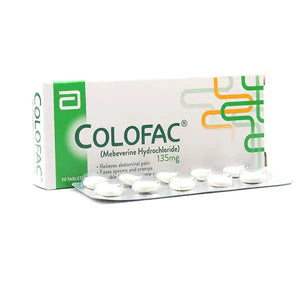
Colofac Tablets 135Mg for Irritable Bowel Syndrome
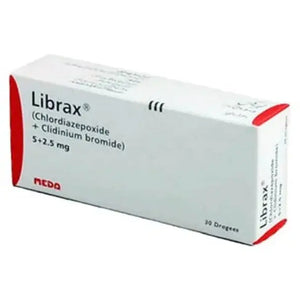
Librax Tablets 5mg+2.5mg – IBS Treatment for Stomach Pain & Cramps
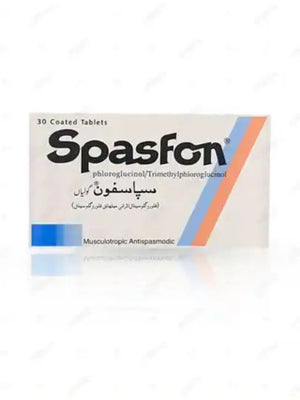
Spasfon Tablets 80mg (1 Strip = 10 Tablets) – Effective Relief from Spasms
Spadix 80mg tablets – Anti-Spasmodic for Pain Relief
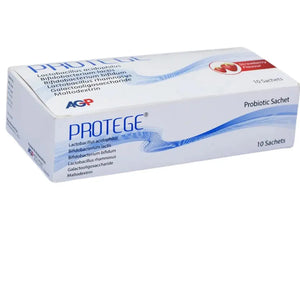
PROTEGE Sachet 10’s – Probiotic for Diarrhea, IBS & Digestive Health
Neoprad Tablets 25mg – Levosulpiride for Gastroesophageal Reflux Disease & IBS
Nufac SR Capsules 200mg – Mebeverine for IBS & Stomach Cramps
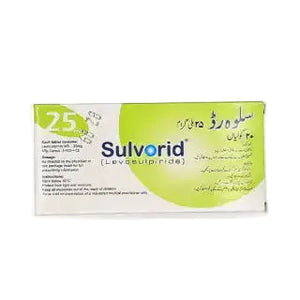
Sulvorid 25mg Tablets – Levosulpiride for Gastroesophageal Reflux Disease (GERD)
Colospas MR Tablet – Mebeverine Hydrochloride for IBS & Abdominal Pain
Colospas Tablet – Mebeverine Hydrochloride for IBS & Abdominal Cramps
Frequently Asked Questions
What are the common symptoms of IBS?
IBS is characterized by symptoms like abdominal pain or cramping, bloating, diarrhea, constipation, and gas. These symptoms can vary between individuals and may be triggered by stress or certain foods.
What causes IBS?
While the exact cause is unclear, factors such as gut sensitivity, abnormal digestive tract movement, stress, and certain foods are thought to contribute to IBS. It may also be linked to gut infections or imbalances in gut bacteria.
How can I manage IBS symptoms?
IBS can be managed through dietary changes like a low FODMAP diet, medications like antispasmodics, and probiotics to restore gut health. Managing stress and incorporating regular exercise also helps alleviate symptoms.
Are there natural remedies for IBS?
Yes, natural remedies such as ginger, peppermint, and probiotics may help soothe the digestive tract and reduce IBS symptoms. It’s important to consult a doctor for personalized advice on natural treatments.
How do medications help treat IBS?
Medications like antispasmodics help relieve abdominal cramps, while anti-diarrheal medications treat diarrhea. Fiber supplements are often recommended for constipation-predominant IBS to help regulate bowel movements.
Is IBS a chronic condition?
Yes, IBS is a chronic condition that can be managed with the right treatment. Although it is not a life-threatening disorder, symptoms can significantly impact daily life if left untreated.
Can stress make IBS worse?
Stress is a common trigger for IBS symptoms. Managing stress through relaxation techniques like yoga, deep breathing, and mindfulness can help reduce flare-ups and improve overall digestive health.
How long does it take to see improvement in IBS symptoms?
The time it takes to see improvement varies from person to person. With dietary changes, medications, and stress management, many people experience relief within a few weeks to a couple of months.
What should I avoid eating if I have IBS?
People with IBS often need to avoid high-fat foods, dairy, spicy foods, caffeine, and alcohol, which can trigger symptoms. It’s recommended to follow a low FODMAP diet, which limits certain carbohydrates that can irritate the gut.
Can IBS be cured?
IBS cannot be cured, but it can be effectively managed with the right treatment plan. Many individuals experience long-term relief with medications, dietary adjustments, and lifestyle changes.