Teen Skincare – Clear Skin & Acne Solutions at Derma.pk
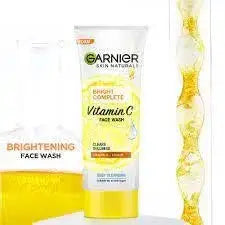
Garnier Skin Active Bright Complete Face Wash 100ml
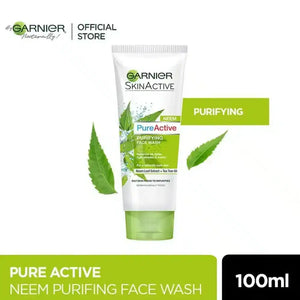
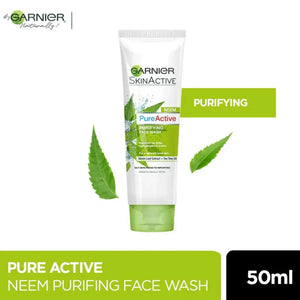
Garnier Skin Active Neem Purifying Face Wash 100ml
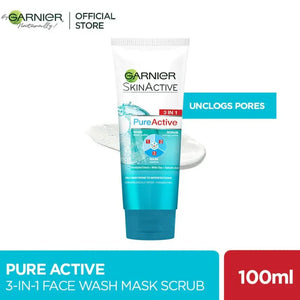
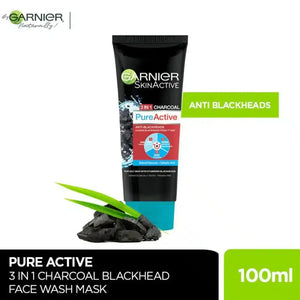
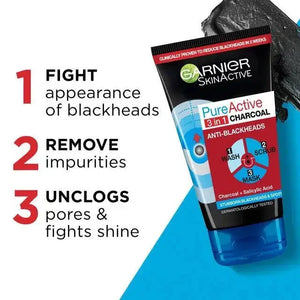
Garnier Skin Active 3-in-1 Charcoal Blackhead Face Wash Mask & Scrub 100ml
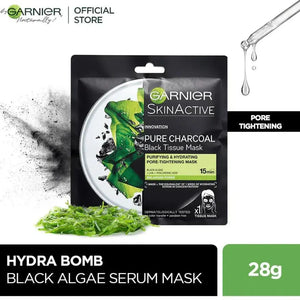
Garnier Skin Active Pure Charcoal Black Aglae Tissue Face Mask 28 G
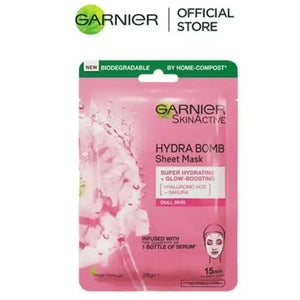
Garnier Skin Active Hydra Bomb Sakura Tissue Face Mask, Hydrating and Glow Boosting 28g
Garnier Skin Active 3-in-1 Clay Face Wash Mask & Scrub 100ml
Garnier Skin Active Neem Purifying Face Wash 50ml
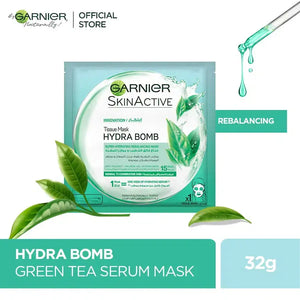
Garnier Skin Active Hydra Bomb Green Tea Tissue Face Mask 28g
Garnier Skin Active 3-in-1 Charcoal Face Wash Scrub 50ml
Frequently Asked Questions
1. Why do teenagers often get acne and oily skin?
Teenagers commonly experience acne and oily skin due to hormonal fluctuations, specifically an increase in androgen hormones during puberty. These hormones stimulate the sebaceous glands to produce more sebum (oil). This excess oil, combined with dead skin cells and bacteria (P. acnes), can easily clog pores, leading to the formation of blackheads, whiteheads, pimples, and sometimes more severe inflammatory acne. Factors like genetics, stress, and diet can also play a role, but hormones are the primary driver during these years.
2. What are the three most important skincare steps for teenagers?
For teenagers, a simple yet consistent 3-step routine is most effective: Cleanse (Morning & Night): Use a gentle cleanser to remove excess oil, dirt, and impurities, preventing clogged pores. Moisturize (Morning & Night): Even oily skin needs a lightweight, non-comedogenic moisturizer to maintain a healthy skin barrier and prevent over-drying from acne treatments, which can ironically trigger more oil production. Sunscreen (Morning): Apply a broad-spectrum SPF 30 or higher (ideally 50+) daily, regardless of weather, to protect against UV damage, prevent sunburn, and reduce the darkening of post-acne marks.
3. What ingredients should teenagers look for in acne-fighting cleansers and treatments?
For acne-fighting, teenagers should look for specific active ingredients: Salicylic Acid (BHA): This is excellent for oily and acne-prone skin as it's oil-soluble, allowing it to penetrate into pores to exfoliate dead skin cells and excess oil from within, helping to prevent and treat blackheads and whiteheads. It can be found in cleansers, toners, and spot treatments. Benzoyl Peroxide: This ingredient kills acne-causing bacteria and helps shed dead skin cells. It's often found in spot treatments or washes and is effective for inflammatory pimples. It can be drying, so start with lower concentrations. Niacinamide (Vitamin B3): While not directly an acne killer, Niacinamide is a powerful anti-inflammatory that helps reduce redness, control sebum production, minimize pore appearance, and improve overall skin texture, making it great for calming acne-prone skin.
4. Is it okay for teenagers with oily skin to skip moisturizer?
No, it is generally not recommended for teenagers with oily skin to skip moisturizer. This is a common misconception. When oily skin is stripped of moisture (e.g., by harsh cleansers or strong acne treatments without follow-up hydration), the skin often reacts by producing even more oil to compensate for the dryness. This can worsen breakouts and lead to an impaired skin barrier. Instead, teenagers with oily skin should choose a lightweight, non-comedogenic, oil-free gel or fluid moisturizer that provides hydration without feeling heavy or clogging pores.
5. How important is sunscreen for teenagers, especially in Pakistan?
Sunscreen is critically important for teenagers, especially in Pakistan, where sun exposure can be intense. Daily broad-spectrum SPF 30 or higher (ideally 50+) is vital because: Prevents Sunburn: Reduces immediate painful damage. Prevents Premature Aging: Protects against UVA rays that cause wrinkles and fine lines, even in young skin. Fades Post-Acne Marks: UV exposure can significantly darken post-inflammatory hyperpigmentation (dark spots left by pimples), making them last much longer. Sunscreen helps these marks fade faster. Reduces Skin Cancer Risk: Protects against long-term DNA damage that can lead to skin cancer later in life.
6. Should teenagers pick or pop their pimples?
Absolutely not. Picking or popping pimples is one of the worst things teenagers can do for their skin. While it might seem satisfying in the moment, it pushes bacteria deeper into the skin, increases inflammation, and significantly raises the risk of: Infection: Introducing more bacteria into an open wound. Worsening Breakouts: Spreading bacteria to surrounding areas. Post-Inflammatory Hyperpigmentation (PIH): Leaving dark brown or red marks that can take months to fade. Acne Scars: Creating permanent indentations or textural changes on the skin. Instead, encourage gentle, consistent treatment and patience.
7. How long does it take to see results from a new teenage skincare routine?
Seeing results from a new skincare routine takes patience and consistency. It typically takes at least 4 to 6 weeks for the skin to adapt to new products and for visible improvements to appear, especially when dealing with acne. Some products, like spot treatments, might show quicker results on individual pimples, but overall skin improvement and reduced breakouts require consistent daily use over several weeks or even months. Encouraging adherence and avoiding frequent product switching is key.
8. Can diet affect teenage acne?
The link between diet and acne is complex and still being researched, but some studies suggest that certain dietary patterns can influence acne for some individuals. While no specific food is a direct "cause" of acne for everyone, some teenagers might find that: High Glycemic Index Foods: Foods that cause rapid spikes in blood sugar (like refined sugars, white bread, processed snacks) might exacerbate acne in some cases. Dairy Products: Some individuals report acne flare-ups associated with dairy consumption. A balanced diet rich in fruits, vegetables, and whole grains, along with adequate hydration, is generally beneficial for overall health, including skin health. If a teenager suspects a strong link between their diet and acne, they can discuss it with a dermatologist or a nutritionist.
9. What if a teenager's acne is severe or not improving with over-the-counter products?
If a teenager's acne is severe (large, painful cysts or nodules), covers a significant area, is causing scarring, or simply isn't improving after 2-3 months of consistent use of over-the-counter products, it is highly recommended to consult a dermatologist. A dermatologist can: Accurately diagnose the type and severity of acne. Prescribe stronger topical medications (like prescription retinoids, antibiotics) or oral medications (like oral antibiotics, isotretinoin for severe cases, or hormonal therapies). Suggest in-office procedures like chemical peels, extractions, or laser therapy for stubborn acne or scarring. Early intervention for severe acne can prevent permanent scarring.
10. Why choose Derma.pk for purchasing skincare for teenagers in Pakistan?
Derma.pk is your trusted online source for authentic and effective skincare for teenagers in Pakistan. We ensure 100% authentic products directly from authorized distributors of reputable national and international dermatological brands (e.g., CeraVe, La Roche-Posay, Cetaphil, Neutrogena, Orior, Conatural, Jenpharm, Pharmaceris). Our selection is specifically curated to address common teenage concerns like acne, oiliness, and breakouts, with an emphasis on gentle yet effective formulations suitable for young skin. We simplify the process of building a routine by offering products for the essential cleanse, moisturize, and protect steps, featuring key ingredients like Salicylic Acid and Niacinamide. Enjoy the convenience of shopping from home with fast and discreet nationwide delivery across Pakistan, competitive pricing, and detailed product information to help teenagers and their parents make informed and confident skincare choices.