Acidity, Gas & Indigestion Relief in Pakistan – Shop at Derma.pk
Cebe-S Tablets 120mg – Bismuth Subcitrate for Acidity & Ulcers
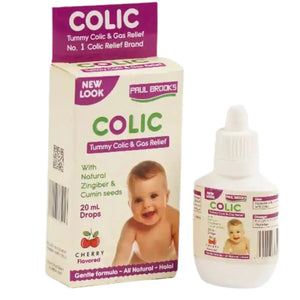
Paul Brooks Colic Drops for Infants (20ml) - Pakistan
Qarshi Gesto Tablets – Herbal Digestive Aid for Acidity, Indigestion Relief
Colorest Oral Drops 30ml - Gentle Colic Relief for Infants & Toddlers - derma.pk
Eskem Capsules 40mg – Acidity & Ulcer Treatment
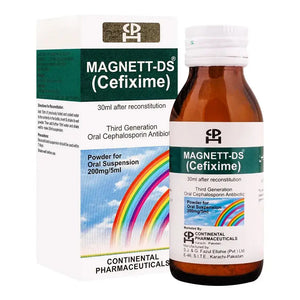
Magnett Suspension DS 30ml – Treatment for Acidity, Stomach Ulcers & Bloating
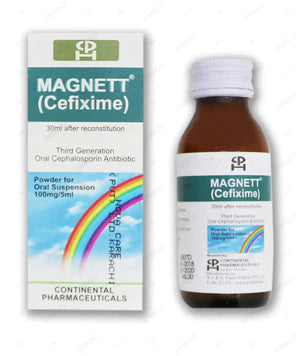
Magnett Suspension 30ml – Treatment for Acidity, Stomach Ulcers & Bloating
Frequently Asked Questions
1. What is the difference between acidity, gas, and indigestion?
Acidity (Heartburn/Acid Reflux): A burning sensation in the chest caused by stomach acid flowing back into the esophagus. Gas: Excess air or gases in the digestive tract leading to bloating, belching, or flatulence. Indigestion (Dyspepsia): A general term for upper abdominal discomfort, which can include a feeling of fullness, bloating, nausea, or burning, often after eating. Acidity and gas can be symptoms of indigestion.
2. What are the main types of medications for acidity and heartburn?
Antacids (e.g., Gaviscon, Eno, Rennie): Provide fast, temporary relief by neutralizing existing stomach acid. H2 Blockers (e.g., Famotidine): Reduce stomach acid production, offering longer-lasting relief than antacids. Proton Pump Inhibitors (PPIs) (e.g., Omeprazole, Esomeprazole): Potently block acid production, providing the strongest and longest-lasting relief, often for more frequent or severe heartburn (GERD).
3. How does Simethicone help with gas and bloating?
Simethicone (e.g., Gas-X, often combined in other products) is an anti-foaming agent. It works by breaking down large gas bubbles in the stomach and intestines into smaller ones, making it easier for them to be passed (either through belching or flatulence). It is not absorbed into the bloodstream.
4. Can I take antacids every day?
Antacids are generally safe for occasional use. However, if you find yourself needing antacids daily or for more than a few weeks, it's a sign that you should consult a doctor. Frequent use of some antacids can lead to side effects (e.g., magnesium-based ones can cause diarrhea, aluminum-based ones can cause constipation), or it may mask a more serious underlying condition.
5. What are some common triggers for acidity and indigestion?
Common triggers include: Dietary Choices: Spicy, fatty, greasy, or acidic foods, caffeine, carbonated drinks, chocolate, peppermint. Eating Habits: Eating too quickly, overeating, eating large meals close to bedtime. Lifestyle Factors: Stress, smoking, excessive alcohol consumption, obesity. Medications: Certain pain relievers (NSAIDs) can irritate the stomach.
6. When should I consult a doctor for acidity, gas, or indigestion?
You should seek medical advice if: Your symptoms are severe, persistent (lasting more than a few weeks), or worsening despite using OTC medications. You experience unexplained weight loss. You have difficulty swallowing or pain when swallowing. You notice blood in your vomit or stool (black, tarry stools). You have persistent vomiting. You experience new or severe abdominal pain. Symptoms occur in children or infants.
7. Are there long-term solutions for chronic acidity or indigestion?
Long-term solutions often involve a combination of: Lifestyle and dietary modifications: Identifying and avoiding trigger foods, eating smaller meals, maintaining a healthy weight, avoiding lying down after eating. Medication management: If lifestyle changes aren't enough, a doctor may prescribe longer-term use of H2 blockers or PPIs. Addressing underlying conditions: Treating H. pylori infection, managing IBS, etc. Consulting a gastroenterologist: For a comprehensive diagnosis and treatment plan for chronic issues.
8. Can stress cause digestive issues like acidity or gas?
Yes, stress is a significant factor in digestive health. It can exacerbate symptoms of acidity, indigestion, and irritable bowel syndrome (IBS). The gut-brain axis means that psychological stress can directly influence gut motility, acid production, and sensitivity, leading to digestive discomfort.
9. Why should I buy Acidity, Gas & Indigestion relief from Derma.pk?
Derma.pk offers: 100% Authentic Products: Ensuring genuine medications and supplements from reputable pharmaceutical manufacturers. Wide Range: Access to various effective OTC solutions, from fast-acting antacids to acid reducers and anti-gas treatments. Convenience: Shop from home with discreet, nationwide delivery across Pakistan. Competitive Pricing: Value for money on essential health products.
10. Is it safe to take these medications during pregnancy or breastfeeding?
It is crucial to consult your doctor before taking any medication for acidity, gas, or indigestion during pregnancy or breastfeeding. While some antacids are generally considered safe, others or certain acid-reducing medications might not be. Your healthcare provider can advise on the safest options for your specific situation.