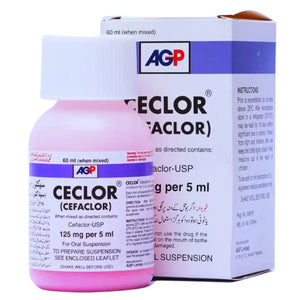
Children's medicine - Available wide range at Derma.pk
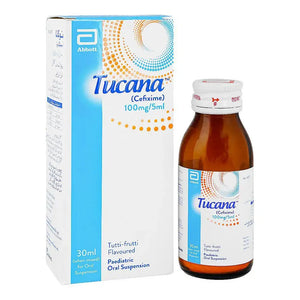
Tucana Suspension 30ml – Cefixime 100mg for Bacterial Infections
Frequently Asked Questions
1. Why can't I just give my child a smaller dose of adult medicine?
Children are not just smaller versions of adults, and their bodies process medicines differently. Giving a child a smaller dose of an adult medicine is dangerous for several reasons: Different Metabolism: Children's livers and kidneys are still developing, affecting how they metabolize and eliminate drugs. Different Sensitivities: Children can be more sensitive to certain ingredients or prone to specific side effects not seen in adults. Excipients: Adult medicines might contain inactive ingredients (flavors, dyes, preservatives) that are unsuitable or harmful for children. Accuracy of Dosing: Splitting adult pills or estimating liquid doses can lead to highly inaccurate and potentially harmful dosing. Always use medicines specifically formulated for children, with appropriate concentrations and a calibrated dosing device.
2. What are the most common over-the-counter medicines for children that parents should have on hand?
Parents commonly keep these essential over-the-counter medicines for children: Fever and Pain Relief: Paracetamol (Acetaminophen) syrup/suspension is usually the first choice. Ibuprofen syrup/suspension can be used if paracetamol is ineffective, but check age guidelines. Saline Nasal Drops: For relieving nasal congestion in infants and children. Oral Rehydration Solution (ORS): Essential for preventing and treating dehydration due to diarrhea or vomiting. Multivitamin Drops/Syrups: To cover nutritional gaps, especially for picky eaters. Vitamin D Drops: Crucial for infants and toddlers, especially with limited sun exposure.
3. How do I properly measure liquid medicine for my child?
Accurate measurement is critical for children's medicines. ALWAYS use the measuring device provided with the medicine. This could be a calibrated oral syringe, a measuring spoon, or a dosing cup. NEVER use household spoons (e.g., kitchen teaspoons or tablespoons) as they are inaccurate and can lead to under or overdosing. Read the dosage instructions carefully, which are often based on your child's weight or age. If in doubt, ask your pharmacist or doctor.
4. What are the common side effects of children's fever medicines like Paracetamol and Ibuprofen?
Paracetamol (Acetaminophen): Generally well-tolerated. Side effects are rare with correct dosing but can include mild stomach upset. Overdosing can cause severe liver damage. Ibuprofen: Can cause stomach upset, nausea, or vomiting. It's usually recommended to take it with food or milk to minimize stomach irritation. It may not be suitable for children with asthma or kidney problems without doctor's advice. Always monitor for unusual reactions and report them to your doctor.
5. My child refuses to take medicine because of the taste. What can I do?
Choose Child-Friendly Flavors: Many children's medicines come in appealing fruit flavors. Mix (Cautiously): If permitted by the label or your doctor, mix the medicine with a very small amount of a favorite food (like yogurt, applesauce) or drink (juice) immediately before giving it. Ensure the child consumes the entire mixture to get the full dose. Do NOT mix with essential foods that the child needs to eat later if they refuse it. Use a Syringe: A syringe can help deliver the medicine quickly to the side of the cheek, bypassing most taste buds. Reward System: Positive reinforcement after taking the medicine can help. Chill It: Sometimes chilling the medicine (if safe to do so) can improve the taste.
6. How should I store children's medicines safely?
Out of Reach and Sight: Always store ALL medicines, including those for children, in a place where children cannot see or reach them, preferably in a locked cabinet or on a high shelf. Original Containers: Keep medicines in their original child-resistant containers with labels intact. Proper Temperature: Follow storage instructions on the label (e.g., "store at room temperature," "refrigerate after opening"). Avoid extreme temperatures and direct sunlight. Check Expiry: Never use expired medicine. Note any "discard after opening" dates for liquid medicines.
7. When should I consult a doctor or pediatrician for my child's symptoms?
You should consult a doctor if: Your child is an infant (under 3 months) with a fever. Fever is very high (above 103°F or 39.4°C) or lasts more than 2-3 days. Symptoms worsen or do not improve despite home care and medication. Your child is unusually drowsy, irritable, or unresponsive. There are signs of dehydration (reduced urination, no tears, sunken eyes). Your child has difficulty breathing. You notice any rashes, stiff neck, or severe pain. You are unsure about the correct dosage or type of medicine.
8. What role do vitamins and supplements play in a child's health?
Vitamins and supplements can play a crucial supportive role, especially when a child's diet is not consistently balanced or if they have specific needs: Bridging Nutritional Gaps: Multivitamins help ensure adequate intake of essential nutrients for growth and development. Bone Health: Vitamin D is vital for calcium absorption and strong bones. Immune Support: Vitamins like C and Zinc are important for a robust immune system. Iron Deficiency: Iron supplements are often prescribed for anemia, common in children. However, supplements should not replace a healthy, balanced diet. Always consult a pediatrician before starting any new supplement for your child.
9. Why choose Derma.pk for purchasing children's medicines in Pakistan?
Derma.pk is a trusted online platform for healthcare products. When you buy children's medicines from us, you benefit from: 100% Authentic Products: We guarantee genuine medicines sourced directly from authorized manufacturers and distributors. Wide & Specialized Selection: A comprehensive range of pediatric formulations from leading brands. Convenience & Safety: Shop from home with confidence in product authenticity and discreet, nationwide delivery. Competitive Pricing: Attractive prices for essential children's health items.
10. What are some key safety tips when giving medicine to children?
Always read the label carefully every time you give medicine. Use the correct measuring device. Never "guess" the dose. Do not give adult medicine to children. Do not call medicine "candy" to encourage taking it. Store all medicines out of reach and sight in a locked cabinet. Discard expired medicines properly. Consult a doctor or pharmacist if you have any questions or concerns.