
Migraine & Headache Relief

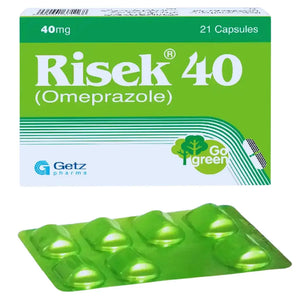


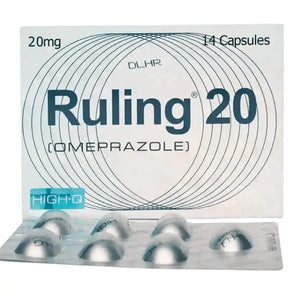
 High-Q InternationalRuling Capsules 20mg – Omeprazole for Heartburn, Indigestion & Stomach Ulcers

 Abbott Laboratories (Pak) LtdDijex MP Syrup 120ml – Digestive Health, Cough, and Respiratory Relief





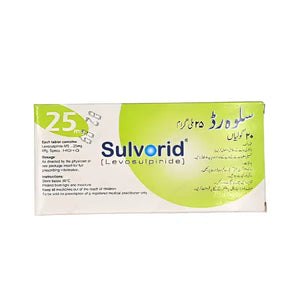 High-Q InternationalSulvorid Tablets 25mg – Levosulpiride for Gastroesophageal Reflux Disease (GERD)

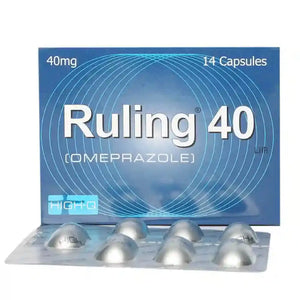 High-Q InternationalRuling Capsules 40mg – Omeprazole for Indigestion, Heartburn & Acid Reflux



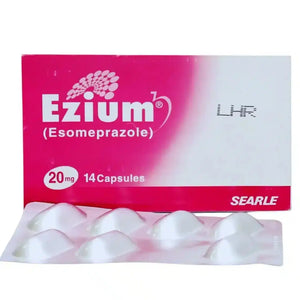



Headache Relief for Migraine Comfort and Daily Support
Related: Fever & Pain Relief, Muscle & Joint Pain Relief.
Understanding Common Migraine Triggers
Getting effective headache relief starts with understanding what may be causing the pain. Migraines and headaches can be triggered by stress, dehydration, skipped meals, poor sleep, bright lights, strong smells, and too much screen time. For many people, keeping a simple log of symptoms can help identify a trigger, reveal patterns, and reduce future migraine attacks. When you know what may trigger migraines, it becomes easier to make small changes that support comfort, manage migraine episodes, and improve daily wellness. This kind of awareness is often the first step toward better control and fewer disruptions from recurrent episodes of head pain.
Simple Habits That Support Relief
Everyday habits can make a big difference when you want reliable headache relief. Drinking enough water, eating balanced meals, resting in a quiet room, and taking breaks from screens can help lower pain and tension. Gentle movement, deep breathing, and regular sleep schedules may also help prevent migraine attacks or reduce the frequency and severity of headaches. Some people find that applying a cool compress or limiting caffeine helps them feel better faster. These simple steps are not a cure, but they can support your body and ease discomfort in a natural, practical way. Small routines often create steady, lasting benefits.
When to Seek Extra Help
While many headaches improve with self-care, some cases need more attention. If your pain is severe, happens often, lasts a long time, or comes with symptoms like vision changes, vomiting, numbness, or confusion, it is important to speak with a healthcare professional. Strong or repeated headaches may point to an issue that needs treatment for migraine beyond home care. Getting the right support can lead to better headache relief and help prevent future episodes. A doctor can review your symptoms, suggest treatment options, and help you build a plan that fits your needs and lifestyle.