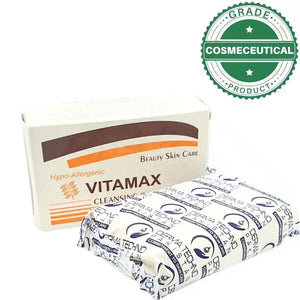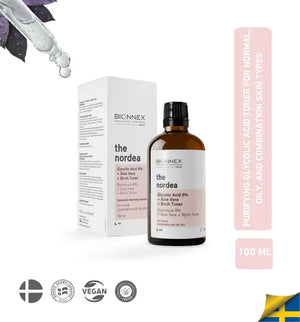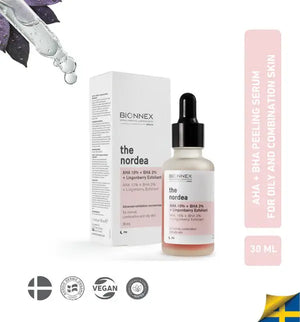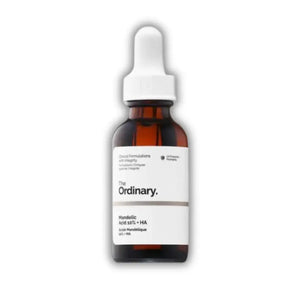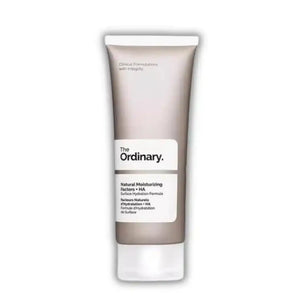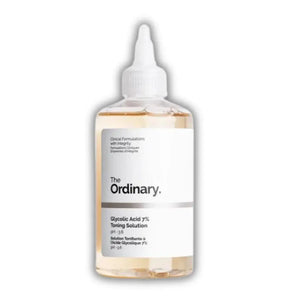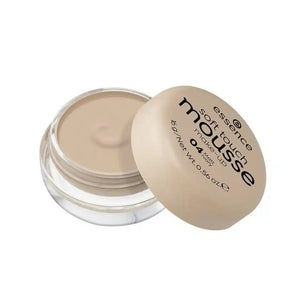
Combination skin is one of the most prevalent skin types, characterized by having distinct areas of different skin concerns on the face. Typically, individuals with combination skin experience an oily T-zone, which includes the forehead, nose, and chin. This area is prone to excessive shine, enlarged pores, blackheads, and occasional breakouts due to a higher concentration of active sebaceous glands. In contrast, the cheeks and jawline tend to be normal, dry, or sometimes even sensitive, requiring more hydration and gentler care. This duality makes it common because it reflects varying distributions of oil glands and environmental exposures across the face, necessitating a balanced skincare approach that addresses both oily and drier zones simultaneously without causing imbalance in either.
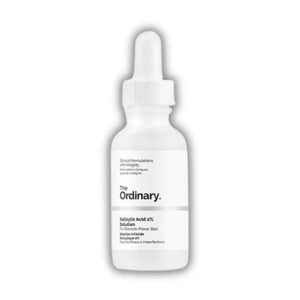
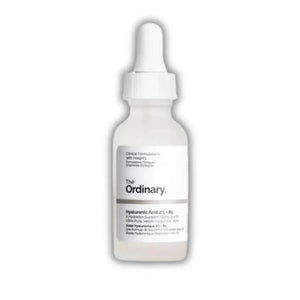
When selecting products for combination skin, it's beneficial to seek ingredients that offer both oil control and hydration without exacerbating either concern. Niacinamide (Vitamin B3) is a star ingredient, as it helps regulate sebum production in the oily T-zone while also reducing inflammation, minimizing pore appearance, and strengthening the skin's barrier without adding greasiness. Hyaluronic Acid (HA) and Glycerin are excellent humectants that draw and retain moisture in the skin, providing crucial hydration to dry areas without feeling heavy or clogging pores, making them suitable for the entire face. Salicylic Acid (BHA) is valuable for the oily T-zone due to its oil-soluble nature, allowing it to penetrate and exfoliate inside pores to prevent blackheads and whiteheads, but it should be used in lower concentrations or as a targeted treatment to avoid drying out the drier areas. Ceramides are essential lipids that help to strengthen the skin barrier, reducing moisture loss and protecting dry areas from irritation. Antioxidants like Green Tea Extract can also help balance oil and reduce inflammation.
While it's possible to use one lightweight, balanced product for your entire face, a "multi-masking" or strategic application approach can often yield better results for combination skin. For instance, you might use a lightweight, mattifying moisturizer or gel specifically on your oily T-zone, while applying a slightly richer, more hydrating cream to your drier cheeks and jawline. Alternatively, some individuals opt for a Salicylic Acid cleanser used all over, followed by a Niacinamide serum for overall balance, and then target their moisturizer application based on the area's need. The key is to pay attention to your skin's unique response and adapt your routine, potentially using different textures or concentrations of products in different areas to achieve optimal balance.
Yes, gentle exfoliation is beneficial for combination skin, but it needs to be done carefully to avoid over-drying or irritating the drier areas. Look for chemical exfoliants like Alpha Hydroxy Acids (AHAs) such as Glycolic or Lactic Acid, which work on the skin's surface to remove dead skin cells and improve texture, or Beta Hydroxy Acids (BHAs) like Salicylic Acid, which are excellent for deep-cleaning pores in the T-zone. It's often recommended to use these exfoliants 1-2 times a week, and if your cheeks are very dry or sensitive, you might consider applying the BHA only to your T-zone. Avoid harsh physical scrubs, which can be too abrasive for any skin type, especially sensitive or dry areas.
Proper hydration is crucial for combination skin, even in the oily T-zone. Many people with oily areas mistakenly believe they don't need hydration, but neglecting it can lead to dehydration, which can paradoxically cause the skin to produce more oil to compensate. Adequate hydration helps to maintain a healthy skin barrier, which is essential for protecting the skin from environmental damage and irritation. For the drier areas, hydration is obviously vital to prevent flakiness, tightness, and discomfort. Look for lightweight, non-comedogenic moisturizers, often in gel or gel-cream textures, that provide hydration without adding excess oil or clogging pores. Ingredients like Hyaluronic Acid, Glycerin, and Ceramides are excellent for balanced hydration.
For combination skin, the best cleanser is typically a mild, pH-balanced, non-foaming or low-foaming gel cleanser. The goal is to effectively remove excess oil, dirt, and impurities from the oily T-zone without stripping the natural moisture from the drier areas of the face. Avoid harsh cleansers containing strong sulfates or high alcohol content, as these can disrupt the skin barrier, leading to dryness, irritation, and potentially even trigger more oil production in the T-zone as the skin tries to compensate for being stripped. Gentle cleansing helps maintain the skin's natural balance.
Yes, lifestyle factors can certainly influence the balance of combination skin. While genetics largely determine skin type, aspects like diet, stress levels, and environmental factors such as humidity can exacerbate or improve its condition. For some individuals, certain foods might trigger breakouts or increase oiliness. Stress can also lead to hormonal fluctuations that impact sebum production. High humidity can make the T-zone feel oilier, while dry climates can intensify dryness in the cheeks. Maintaining a balanced diet, managing stress, and adjusting your skincare routine according to seasonal changes and environmental conditions can all contribute to better managing combination skin.
Niacinamide, or Vitamin B3, is a highly beneficial ingredient for combination skin due to its multi-functional properties. It's particularly effective at helping to regulate sebum production, which can significantly reduce oiliness and shine in the T-zone. Beyond oil control, Niacinamide also boasts anti-inflammatory properties, helping to calm redness and irritation, and it can minimize the appearance of enlarged pores. Furthermore, it strengthens the skin's natural barrier function, which is crucial for reducing moisture loss and protecting the drier areas of the face from environmental stressors and irritation. These combined benefits make Niacinamide an excellent ingredient for bringing overall balance and health to combination skin.
You should consider consulting a dermatologist if you consistently struggle to find the right balance for your combination skin, or if your concerns are severe. This includes if you experience persistent or severe breakouts in your T-zone that over-the-counter products aren't resolving, if your dry areas are extremely flaky, irritated, or sensitive, or if you suspect an underlying condition might be exacerbating your skin concerns. A dermatologist can provide a professional assessment, offer personalized advice, and recommend tailored product regimens or even prescription treatments to help you effectively manage your unique combination skin type.
Choosing Derma.pk for your combination skin products provides several key advantages. We guarantee 100% authentic skincare products, meticulously sourced directly from authorized distributors and highly reputable national and international dermatological brands, ensuring both quality and safety. Our collection is specifically curated to address the unique dual needs of combination skin, featuring a range of products with balancing, hydrating, and clarifying properties. We offer exceptional convenience, allowing you to browse and purchase your essential skincare items from the comfort of your home, complemented by fast and discreet nationwide delivery across Pakistan. Furthermore, you can benefit from competitive pricing on high-quality and effective skincare solutions, alongside detailed product information on our platform to help you make informed choices for your specific skin needs.