Anti-depressant – Mental Health & Mood Support - derma.pk
Pramcit 20mg Tablets – SSRI Antidepressant for Depression & Anxiety
Valium 5mg Tablet – Diazepam for Anxiety, Muscle Spasms & Seizure Control
Bromalex 3mg Tablets – Calming & Sleep Inducing
Butrin XL Tablets 150mg – Bupropion HCl for Depression & Mood Balance
Modrin Tablets 10Mg/0.5Mg – For Anxiety & Depressive States
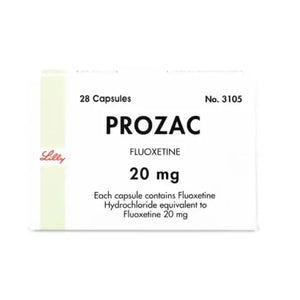
Prozac Capsules 20mg – Fluoxetine for Depression Treatment
Co Depricap Capsule – Fluoxetine & Olanzapine for Depression & Bipolar Disorder
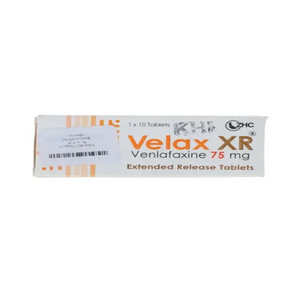
Vendep XR 75mg Tablets – Venlafaxine HCl for Depression and Anxiety
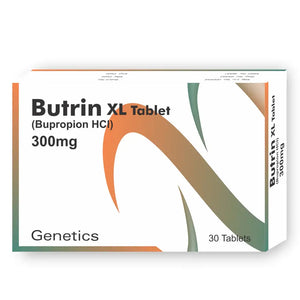
Butrin XL Tablets 300mg – Bupropion HCl for Depression & Emotional Stability
Setak Tablet 10mg – Escitalopram for Depression & Anxiety
Morcet 5mg Tablet – Escitalopram for Mild Depression and Anxiety Relief
Prexa 10mg Tablet – Depression, Anxiety & Mood Disorder Treatment
Frequently Asked Questions
1. What are anti-depressants?
Anti-depressants are prescription medicines used to treat depression and other mental health conditions by correcting chemical imbalances in the brain that affect mood, emotions, and stress responses.
2. What conditions are treated with anti-depressants?
They are used for depression, anxiety disorders, panic disorder, obsessive-compulsive disorder, post-traumatic stress disorder, and sometimes chronic pain or sleep-related conditions.
3. How long do anti-depressants take to work?
Most anti-depressants take 2 to 6 weeks to show noticeable improvement. Full benefits may take longer, and consistency is essential for effectiveness.
4. Are anti-depressants addictive?
No. Anti-depressants are not addictive. However, they should not be stopped suddenly, as abrupt discontinuation may cause withdrawal-like symptoms.
5. Do anti-depressants change personality?
No. When used correctly, they help restore emotional balance rather than change personality. Patients often feel more like themselves once symptoms improve.
6. Can anti-depressants cause side effects?
Some people may experience side effects such as nausea, headache, sleep changes, or appetite changes, especially during the first few weeks. These usually improve with time or dose adjustment.
7. Is a prescription required for anti-depressants?
Yes. Anti-depressants are prescription-only medicines and must be taken under the guidance of a qualified healthcare professional.
8. Can anti-depressants be used long-term?
Yes. Many individuals use them safely for months or years, depending on the condition. Long-term use is monitored by doctors to ensure ongoing benefit and safety.
9. Can anti-depressants be combined with therapy?
Yes. Combining medication with psychotherapy or counseling often leads to better and more lasting results than medication alone.
10. Why is proper dispensing important for anti-depressants?
Because correct dosing, regular follow-ups, and patient education are essential to ensure safety, effectiveness, and emotional well-being throughout treatment.