
Best Moisturizer for Oily Skin - Hydrate Without the Shine
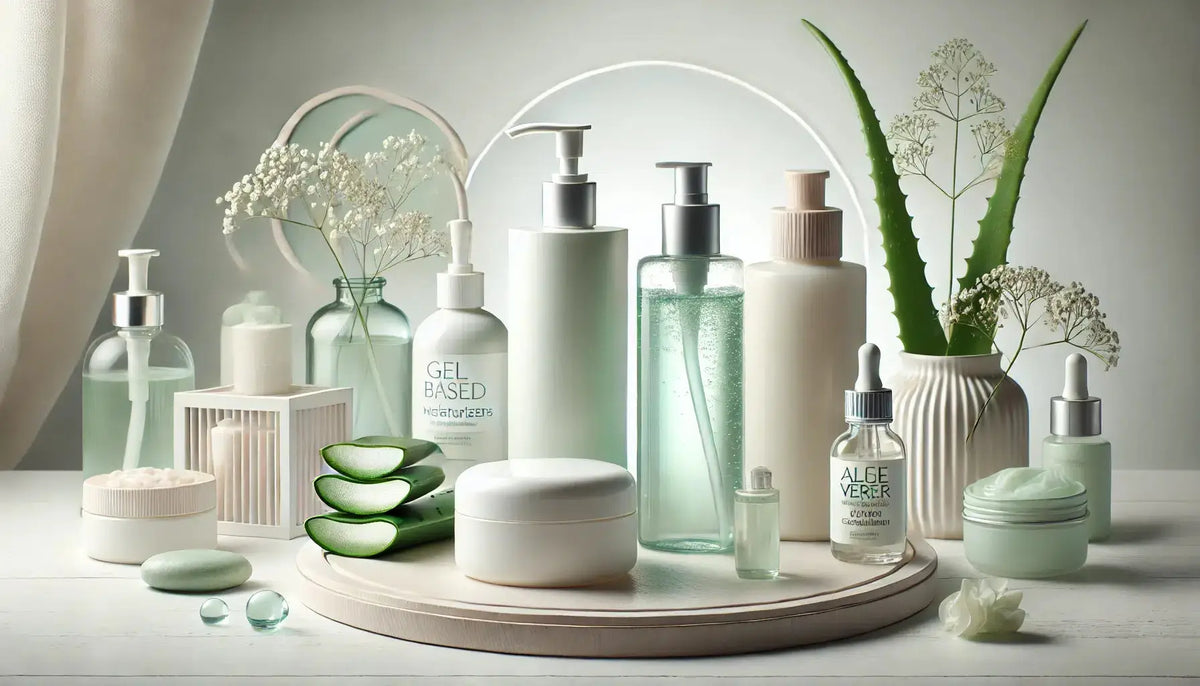
Oily skin still needs hydration; the trick is choosing a lightweight, oil-free formula that moisturises without adding shine. This guide covers what causes oily skin, the ingredients that actually work, and how to build a simple routine. Browse oil-free options in our moisturiser & lotion collection.
Understanding Oily Skin
Oily skin develops when the sebaceous glands produce excess sebum. While some sebum keeps skin protected, too much leads to a shiny T-zone, enlarged pores, clogged follicles and frequent breakouts. Genetics, hormonal changes, stress and humidity all play a part, which is why targeted oily skin control products help keep oil in balance.
Why Oily Skin Still Needs Moisturiser
Skipping moisturiser usually backfires: when skin feels dry, it produces even more oil to compensate. A good moisturiser keeps hydration balanced, smooths texture, strengthens the skin barrier and reduces the irritation that can trigger acne.

Key Ingredients to Look For
Hydrators That Won't Clog Pores
Hyaluronic acid and glycerin draw moisture into the skin without adding oil, while aloe vera soothes inflammation.
Oil and Pore Control
Niacinamide balances oil production and refines pores, while salicylic acid gently exfoliates and keeps pores clear. As the American Academy of Dermatology notes, even oily skin benefits from daily moisturising.
What to Avoid
Steer clear of heavy oils such as mineral oil and coconut oil, drying alcohols, added fragrance, and petroleum-based occlusives that trap oil and debris. Look for products labelled non-comedogenic.
Types of Moisturiser for Oily Skin
Gel-based and water-based moisturisers are lightweight and fast-absorbing, oil-free formulas hydrate without shine, and mattifying moisturisers help control midday oil. A gentle gel cleanser beforehand makes the routine more effective.

How to Use It in Your Routine
Cleanse with an oil-control cleanser, apply an alcohol-free toner, massage in a pea-sized amount of moisturiser using upward motions, and finish with an oil-free SPF during the day. For drier patches, a richer cream can be used only where needed.
 Snail Mucin for Skin: Benefits, How to Use It & the Best Products in Pakistan
 K-Beauty 101: The Science Behind Korean Skincare's Global Rise
 Under-Eye Dark Circles: Causes & Treatments That Actually Work
 Fungal Skin Infections in Pakistan: Ringworm, Jock Itch & Athlete's Foot