
Melasma Treatment in Pakistan: A Complete Dermatologist-Backed Guide for Pakistani Skin
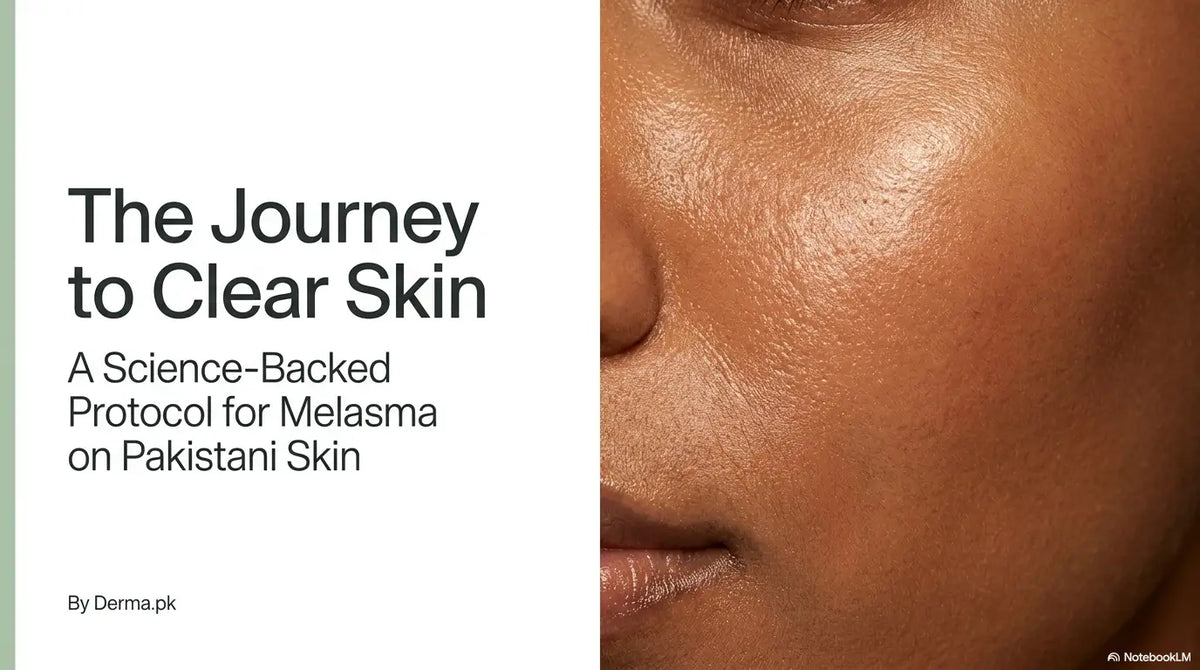
If you’ve noticed brown or grey-brown patches on your cheeks, forehead, upper lip, or chin — especially patches that get darker after sun exposure or pregnancy — you may be dealing with melasma. It’s one of the most common skin concerns South Asian women face, and it’s especially stubborn on Pakistani skin tones because of our naturally higher melanin levels and the overproduction of melanin that causes excess pigment.
The good news: Melasma is treatable. The frustrating news: there is no overnight cure, no single cream that fixes everything, and most people who try to treat it on their own make it worse with the wrong products. This guide walks you through what actually works in 2026, what’s available in Pakistan, what it costs, and the routine board-certified dermatologists in Lahore, Karachi, and Islamabad most commonly prescribe.

What is melasma — and why does it affect Pakistani skin so heavily?
Melasma is a chronic skin condition where patches of skin produce excess melanin, leaving symmetrical dark patches and spots — usually on the face. Unlike a single dark spot from a healed pimple (post-inflammatory hyperpigmentation), melasma tends to appear in larger, blotchy patches and follows a recognizable pattern related to hormonal changes and sun exposure.
Common Melasma Triggers
-
Sun exposure (UV and visible light): The single biggest melasma trigger, which is why Pakistani summers make melasma worse. Daily broad-spectrum sunscreen with SPF 30 or higher and PA++++ rating is essential to prevent flare-ups.
-
Hormonal changes: Pregnancy (mask of pregnancy), birth control pills, and hormonal therapy can all increase pigment production.
-
Heat: Even cooking over a stove or frequent steam exposure can trigger melasma patches.
-
Genetics: If your mother or sister has melasma, your risk is higher.
-
Inflammation from harsh skincare: Over-exfoliation, fragranced products, or untested steroid creams can worsen hyperpigmentation.
Why Pakistani Skin is at a Higher Risk
People with skin types IV, V, and VI (most Pakistani skin tones) are at significantly higher risk for two reasons. Our melanocytes are more reactive, and our skin tans heavily, which makes melasma patches harder to distinguish from a tan and often delays diagnosis. These factors mean excess pigment and hyperpigmentation need extra careful management to fade melasma effectively. Using tools like a Wood’s lamp can help dermatologists assess pigment depth for tailored treatment plans.
The 4 evidence-based melasma treatments that actually work
Most “whitening” creams sold cheap in local markets contain unsafe doses of mercury, hydroquinone, or steroids. They lighten your skin temporarily but cause severe rebound darkening, thinning, and permanent damage. Avoid them. Stick to these four science-backed melasma treatment approaches instead.

1. Daily Broad-Spectrum Sunscreen (SPF 50+, PA++++) for Sun Protection
This is the most important treatment. Without daily broad-spectrum sunscreen, no other treatment will work — your melasma patches will keep darkening. For Pakistani climates and skin tones, look for:
- A mineral or mineral-tinted sunscreen (zinc oxide blocks visible light, which triggers melasma even when UV doesn’t).
- SPF 50 or higher with PA++++ rating.
- Reapplication every 3 hours when outdoors.
- Tinted sunscreen options help provide immediate cosmetic coverage while protecting sensitive skin.
Top picks available in Pakistan from our Power Brands range:
- Skin Aqua SPF 50 PA++++ Clear White Sunscreen: Japanese formula, lightweight, no white cast on brown skin.
- Lazuxe SPF 60 Sunblock: High-protection with vitamin enrichment.
- Uvion SPF 60 PA Broad Spectrum Sunblock: Pakistan-developed, formulated for our climate.
2. Topical Tyrosinase Inhibitors (Active Medications to Fade Melasma)
These are the workhorses of melasma treatment. They block the enzyme tyrosinase that produces melanin, slowly fading melasma patches over 8-16 weeks by improving skin cell turnover.
Tyrosinase Inhibitor Options
- Azelaic acid (10-20%): Safe in pregnancy, non-irritating, and also treats acne. Excellent first-line treatment.
- Tretinoin (0.025% - 0.05%): Gold standard prescription medication. Increases skin cell turnover, fades pigmentation, and treats anti-aging. Must be used with sunscreen and started slowly to avoid irritation (e.g., Tracnesan Cream 30g).
- Niacinamide (5-10%): Gentle, non-irritating, blocks melanin transfer between cells. Layers well with other skincare products.
- Hydroquinone (2-4%): Historically the gold standard but now used cautiously to avoid side effects such as ochronosis. Pharmacist supervision is recommended. Cycles of 12 weeks on and then off are advised.
- Kojic acid: Sometimes combined in formulations for additional inhibition of pigment production.
- Tranexamic acid: Emerging as an effective option to treat melasma by reducing overproduction of melanin through oral or topical routes.
3. Combination Prescription Creams
For stubborn melasma that doesn’t fade with single actives, dermatologists often prescribe Kligman’s formula — a combination of hydroquinone, tretinoin, and a mild steroid in one cream. In Pakistan, this is commonly available as:
- Cosmelan Skin Brightening Cream
- Eventone C Cream
- White Balance Cream
These creams are powerful and require supervision by a board-certified dermatologist or pharmacist. They typically work within 6-12 weeks but need careful tapering to avoid steroid-related skin thinning.
4. Chemical Peels and In-Office Procedures
If melasma patches don’t respond to topical treatments, your dermatologist may recommend in-clinic procedures like chemical peels (glycolic acid or salicylic acid), microneedling, mesotherapy, or fractional laser treatment. These in-office procedures complement (but do not replace) your home routine, and help accelerate cell turnover to fade melasma. Expect to pay PKR 5,000-15,000 per session in Lahore for quality treatments.

A Complete Morning + Evening Melasma Treatment Routine for Pakistani Skin
Here’s the routine most dermatologists in Pakistan recommend for someone with moderate, treatment-naive melasma. Adjust based on your dermatologist’s advice.
Morning Routine
- Gentle cleanser: Fragrance-free, sulphate-free (e.g., Cetaphil Gentle Skin Cleanser).
- Vitamin C serum (10-15%): Antioxidant, brightening, boosts sunscreen effectiveness.
- Hydrating moisturizer: Keeps skin barrier strong (e.g., CeraVe Moisturising Cream).
- Broad-spectrum sunscreen SPF 50+ with PA++++: Non-negotiable daily sun protection.
Evening Routine
- Double cleanse: Use micellar water or oil cleanser first, then your gentle cleanser.
-
Active treatment (alternate nights to start):
- Night 1: Azelaic acid or niacinamide.
- Night 2: Tretinoin (start with 0.025%, 2 nights per week, build up gradually over 6 weeks).
- Hydrating moisturizer: Apply after the active treatment to reduce irritation.
- Optional: Barrier-repair cream if you experience peeling or sensitivity.
What NOT to Do (Common Mistakes that Make Melasma Worse)
- Don’t use unbranded “whitening” creams sold cheap in local markets, often containing harmful steroids or mercury.
- Don’t skip broad-spectrum sun protection on cloudy days, indoors, or during winter.
- Don’t combine multiple strong active ingredients simultaneously.
- Don’t expect overnight results — meaningful fading takes 8-12 weeks minimum.
- Don’t stop using sunscreen even after melasma patches fade.
- Don’t use lemon juice, baking soda, or DIY chemical peels as these cause inflammation and worsen hyperpigmentation.
How Long Until You See Results?
- Week 1-4: No visible change. Possible irritation if using tretinoin.
- Week 4-8: Improved skin texture with slight overall brightening.
- Week 8-16: Melasma patches start to fade; edges become less defined.
- Month 4-6: Significant improvement in 70% of patients following the treatment plan.
-
Year 1+: Maintenance phase. Lifelong broad-spectrum sun protection (SPF 30 or higher) is required to prevent relapse.

Frequently Asked Questions About Melasma in Pakistan
Can melasma go away on its own?
Sometimes — especially pregnancy-related melasma (chloasma), which often fades after delivery. But once you’ve had melasma, you’re prone to relapse forever, especially without consistent sun protection.
Is melasma treatment safe during pregnancy?
Most active treatments (tretinoin, hydroquinone, kojic acid) are NOT safe during pregnancy. Only azelaic acid and niacinamide are widely considered safe. Always consult your obstetrician and a board-certified dermatologist.
What’s the difference between melasma and dark spots from acne?
Acne dark spots (post-inflammatory hyperpigmentation) fade over 3-12 months and occur where pimples healed. Melasma forms larger, symmetrical patches and is chronic.
How do I know it’s melasma and not just sun damage?
Melasma presents as symmetrical patches on both cheeks, upper lip, and forehead, and often correlates with hormonal changes. A dermatologist can confirm the diagnosis with a Wood’s lamp examination.
Can men get melasma?
Yes. About 10% of melasma cases occur in men. The treatment approach is the same.
What’s the best whitening cream for melasma in Pakistan?
There’s no single “best” cream. For most people, a combination of azelaic acid (morning) and tretinoin (night) plus daily broad-spectrum sun protection produces the best results.
Ready to start your melasma treatment?
Every product mentioned in this guide is available with cash on delivery anywhere in Pakistan. Same-day delivery in Lahore from our Bahria Town pharmacy.
Browse our complete melasma treatment range, or message our pharmacy team on WhatsApp +92 320 5999650 with photos of your skin and current routine.

Disclaimer: This article is for educational purposes only and does not replace professional medical advice. Always consult a qualified dermatologist before starting prescription skin care treatments. Derma.pk operates under Pharmacy Drug Sale License No. 05-352-0066-113523P from our flagship pharmacy in Bahria Town, Lahore.
 BioAqua Sheet Masks in Pakistan: Pick the Right One for Your Skin (2026)
 Best Budget Body Sprays & Deodorants in Pakistan: Smell Fresh for Less
 Snail Mucin for Skin: Benefits, How to Use It & the Best Products in Pakistan
 K-Beauty 101: The Science Behind Korean Skincare's Global Rise