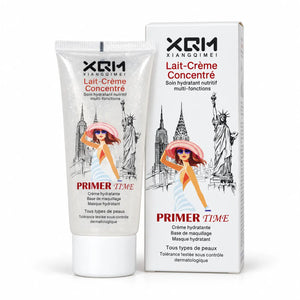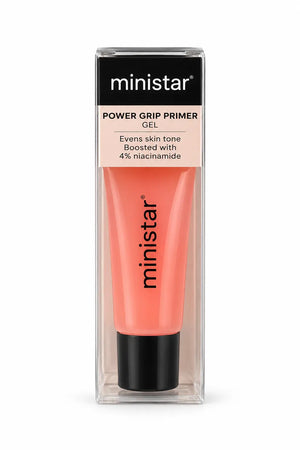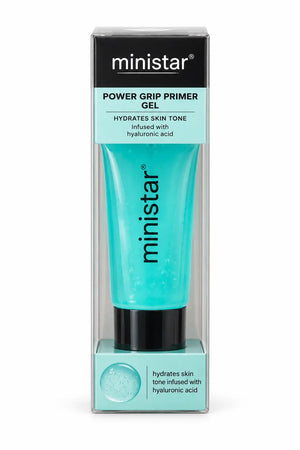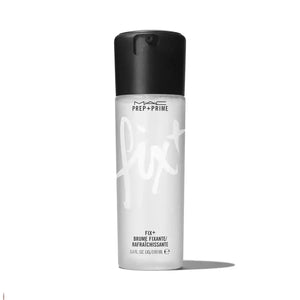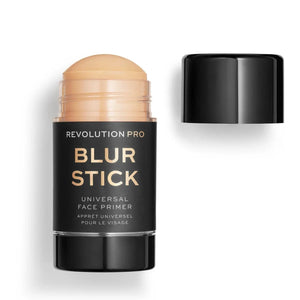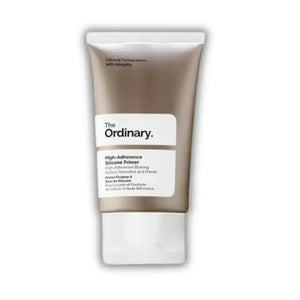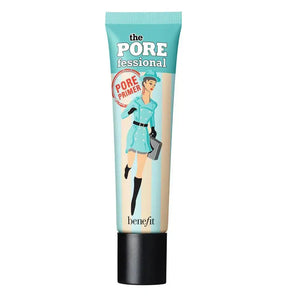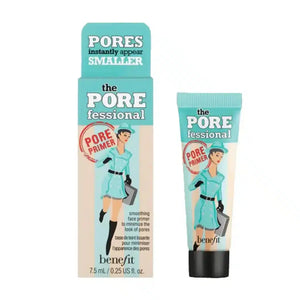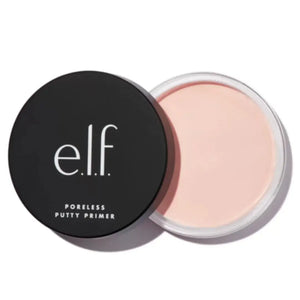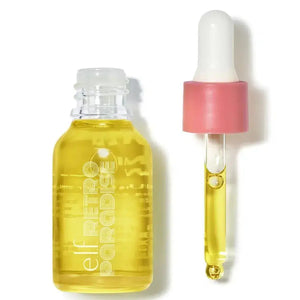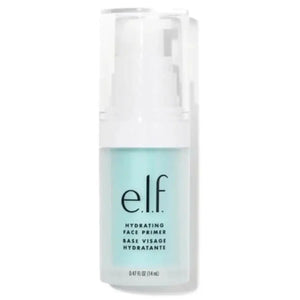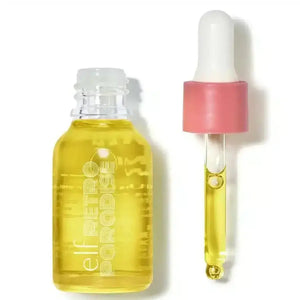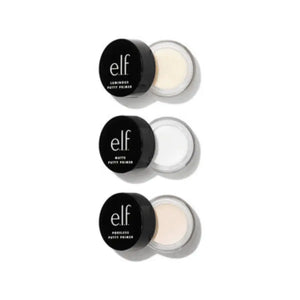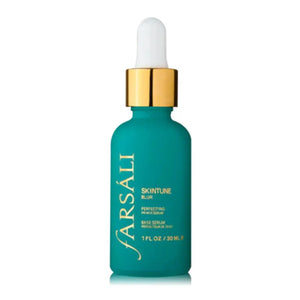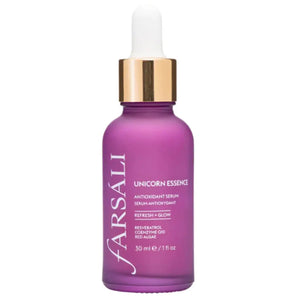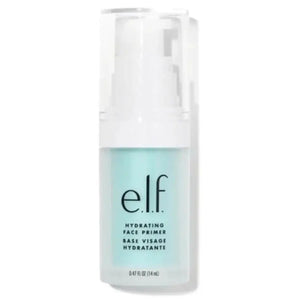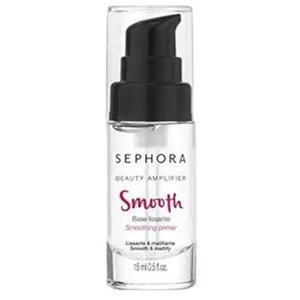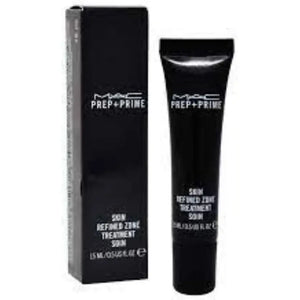
While not mandatory, a pore-safe primer is highly beneficial if you wear makeup daily. it acts as a protective barrier, preventing foundation pigments from settling into your pores and helping your skin stay hydrated or matte, depending on your needs.
Low-quality primers containing "heavy" silicones or oils can be comedogenic, meaning they block pores. At Derma.pk, we specifically curate pore-safe and non-comedogenic formulas that are designed to be breathable and safe for acne-prone skin.
Sunscreen should always be applied first as the final step of your skincare routine. Once your SPF has "set" (usually after two to three minutes), you can apply your primer. This ensures your sun protection is not disturbed and that the primer can create a smooth base for makeup.
No. While some primers contain hydrating ingredients like Hyaluronic Acid, their primary function is surface correction and makeup adherence. A moisturizer is still necessary to provide deep hydration to the skin's layers.
A little goes a long way. For the entire face, a pea-sized amount is usually sufficient. Using too much primer can actually cause your foundation to slide around or "pill" (form small balls of product) on the skin.
Silicone-based primers are excellent for blurring pores and smoothing deep texture. Water-based primers are typically more lightweight and hydrating, making them ideal for very dry or sensitive skin. It is best to match your primer base to your foundation base for the most seamless look.
Yes. Many people use pore-safe primers on their own to achieve a "no-makeup" look. They help to control shine, blur minor imperfections, and give the skin a more refined, polished appearance without the weight of a tint or foundation.
Pilling usually happens when there is a mismatch between your skincare and your primer, or if you haven't allowed your moisturizer to dry properly. Ensure each layer of your routine is fully absorbed before moving to the next step.
Yes, we offer hypoallergenic and fragrance-free primers that are specifically designed for reactive skin. These formulas avoid common irritants like harsh alcohols and synthetic dyes to ensure a comfortable wear.
Most liquid and cream primers have a shelf life of twelve to eighteen months. If the product starts to separate, develops a strange odor, or changes in texture, it is time to replace it to ensure its safety and efficacy.