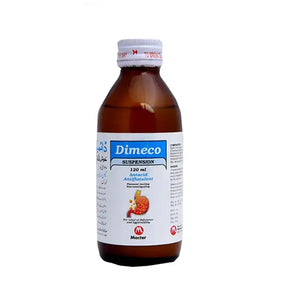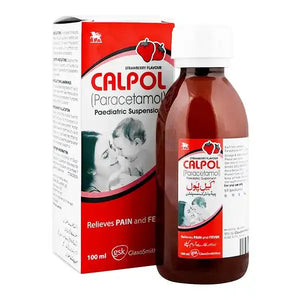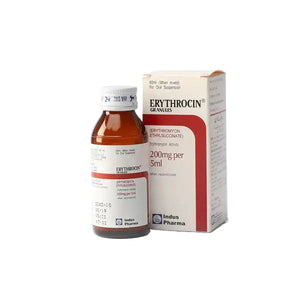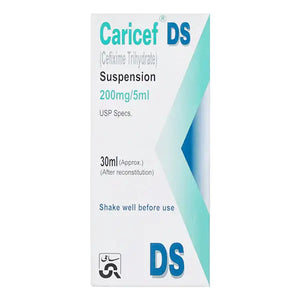
Suspension - Understand Its Importance and Function
Solodrox Suspension 125mg – Cefadroxil Oral Solution for Bacterial Infections
Solodrox Suspension 250mg – Cefadroxil Oral Solution for Bacterial Infections
Zithrocin 200mg/5ml Suspension – Azithromycin Oral Antibiotic for Children & Adults
Zyto 15ml Suspension 200mg/5ml – Azithromycin for Bacterial Infections Treatment
Epitoin 120ml Suspension – Phenytoin for Seizures & Epilepsy Treatment
Risp Oral 30ml Solution 1mg/ml – Risperidone for Schizophrenia Treatment
Hiflora Plus Hydropack – Advanced Hydration and Gut Health Supplement
Hiflora Hydropack – Advanced Hydration and Gut Health Supplement
Acicon Suspension 60ml – Acidity & Ulcers Relief
Calamox 90Ml Suspension 156.25Mg – Amoxicillin & Clavulanic Acid for Bacterial Infections
Calamox DS 90Ml Suspension 312.50Mg/5Ml – Amoxicillin & Clavulanic Acid for Bacterial Infections
Calamox Duo 70Ml Suspension 400Mg/57Ml – Amoxicillin & Clavulanic Acid for Bacterial Infections
Frequently Asked Questions
What are suspensions and how do they work?
Suspensions are liquid forms of medication where solid particles are suspended in a liquid medium. They are often used for individuals who have trouble swallowing pills. Suspensions are absorbed by the body more quickly than solid forms of medication and are usually easier to adjust in terms of dosage, especially for children or elderly patients.
Are suspensions effective for treating infections?
Yes, antibiotic suspensions are commonly used to treat bacterial infections. They are formulated to target and kill the bacteria causing the infection. Suspensions are a great alternative for children and individuals who cannot swallow pills and provide effective treatment in liquid form.
Can I use suspensions for digestive issues?
Absolutely! Suspensions such as antacids, proton pump inhibitors, and digestive enzymes are commonly used to treat conditions like heartburn, acid reflux, and indigestion. These liquid medications provide relief by neutralizing stomach acid and helping improve digestion.
Are suspensions safe for children?
Yes, many suspensions are specifically formulated for children and are a safe and effective way to administer medication. Always check the dosage instructions and consult with a healthcare provider before administering any new medication to a child, especially if it’s for the first time.
How should I store suspensions?
Suspensions should be stored according to the instructions on the packaging. Most suspensions require storage in a cool, dry place, and some may need to be refrigerated. Always keep the cap tightly closed and avoid exposure to direct sunlight or excessive heat.
How do I measure the dosage for liquid suspensions?
To measure the dosage for liquid suspensions, always use the measuring device provided with the product, such as a dropper, spoon, or cup. Do not use a regular kitchen spoon, as it may not provide the correct measurement.
What are the common side effects of suspensions?
Side effects vary depending on the type of suspension. Common side effects include nausea, stomach upset, or diarrhea. Always read the label for potential side effects and consult with a healthcare professional if you experience any unusual symptoms after taking the medication.
How do I know if I need a suspension or a tablet?
If you have difficulty swallowing pills or require precise dosage control, a suspension might be more suitable for you. Suspensions are also a good option for children and elderly patients who find it easier to take liquid medication.
Can I take suspensions on an empty stomach?
This depends on the medication. Some suspensions are best taken with food to avoid irritation or nausea, while others can be taken on an empty stomach for quicker absorption. Always follow the instructions provided on the label or by your healthcare provider.
Are suspensions available in all medicines?
Not all medications are available in suspension form. However, many common treatments, such as antibiotics, digestive aids, and pain relievers, come in liquid forms for easier consumption. If you need a specific medication in suspension form, consult your pharmacist or doctor for alternatives.