


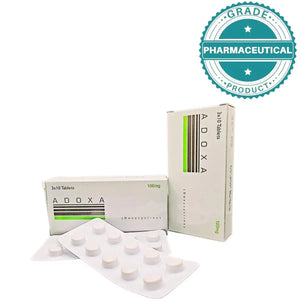
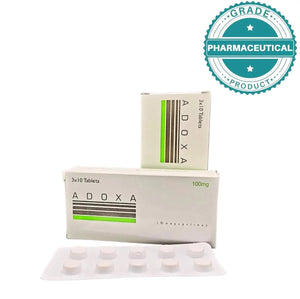
Adoxa Tablets 100mg (Doxycycline) Pack of 30 Tablets
Adoxa 100mg by Pharma-Health is a tetracycline-class oral antibiotic containing doxycycline 100mg per tablet. Dermatologists prescribe it for moderate-to-severe inflammatory acne, rosacea, chlamydia, respiratory and tick-borne infections. Doxycycline also has anti-inflammatory effects useful in chronic skin conditions. Pack of 30 tablets. Prescription required.

Pay in 3 Installments of
Rs.
96


Adoxa Tablets 100mg (doxycycline) Pack of 30 Tablets
Description
ADOXA TABLETS 100mg (DOXYCYCLINE) PACK OF 30 TABLETS: Comprehensive Usage and Precautions Guide
Before commencing your medication, carefully read this leaflet. Consult your doctor or pharmacist for any queries. This guide offers a comprehensive overview of Adoxa tablets.
Composition:
Each film-coated tablet contains 100mg of Doxycycline (Hyclate) USP.
What Is Adoxa Used For?
Adoxa tablets are within the semisynthetic broad-spectrum antibiotic group called Tetracyclines. They effectively combat both gram-positive and gram-negative bacteria, treating various infections, including:
- Rocky Mountain spotted fever
- Typhus fever and the typhus group
- Q fever rickettsia
- Tick fevers caused by Rickettsia
- Respiratory tract infections from Mycoplasma pneumoniae
- Lymphogranuloma venereum caused by Chlamydia trachomatis
- Psittacosis (ornithosis) caused by Chlamydia psittaci
- Trachoma caused by Chlamydia trachomatis
- Inclusion conjunctivitis caused by Chlamydia trachomatis
- Uncomplicated urethral, endocervical, or rectal infections in adults due to Chlamydia trachomatis
- Nongonococcal urethritis due to Ureaplasma urealyticum
- Relapsing fever caused by Borrelia recurrentis
- Infections caused by specific gram-negative microorganisms
Please note that Adoxa isn't the preferred drug for all infections. Usage should align with your doctor's recommendations.
When Should Adoxa Tablets Not Be Used?
Avoid Adoxa tablets if you're hypersensitive to any components or Tetracyclines. This medication is for your use only and should not be used by anyone else.
Precautions Associated with Adoxa Tablets:
- Overgrowth of non-susceptible organisms, including fungi, may occur, leading to superinfection. Discontinue the antibiotic and seek appropriate therapy if this happens.
- Tetracyclines have caused reports of bulging fontanels in infants and benign intracranial hypertension in adults. These conditions typically resolve upon discontinuation.
- Tetracyclines can cross the placenta and affect the developing fetus. Use during pregnancy should be cautiously considered.
- Tetracyclines are excreted in breast milk. Nursing mothers should weigh benefits against potential risks.
- Avoid Adoxa when penicillin is the preferred treatment for an infection.
How to Use Adoxa Tablets:
Follow your doctor's instructions. adults, the usual dose is 100mg every 12 hours initially, then a maintenance dose of 100mg daily. For severe infections, particularly chronic urinary tract infections, the doctor may recommend taking 100mg every 12 hours.
For children below 45 kg, the recommended dosage is 4mg/kg once daily, with a higher dosage for severe infections. Adequate fluid intake should accompany the tablet to reduce the risk of esophageal irritation.
Possible Side Effects:
Side effects, though infrequent, may include gastrointestinal symptoms, skin reactions like rashes, renal toxicity indicated by elevated BUN levels, and thyroid gland discoloration with prolonged use.
How to Store Adoxa Tablets:
Store below 25 °C and do not use after the expiry date. Keep out of children's reach.
Remember, this medicine is prescribed for you specifically and should not be shared. Always consult your healthcare provider for personalized advice on medication use. Adoxa tablets hold value in combating infections but require medical guidance for their use.
Usage & Benefits
Reduces inflammatory acne lesions and rosacea flushing
Broad-spectrum tetracycline coverage for many bacterial infections
Anti-inflammatory action complements topical acne therapy
Once-daily 100mg strength supports good adherence
Useful for acne maintenance under dermatology guidance
30-tablet pack supports common 4 to 12 week dermatology courses
How To Use
1. Take exactly as prescribed; usually once or twice daily with food.
2. Swallow with a full glass of water and stay upright for 30 minutes.
3. Avoid dairy, calcium, iron and antacids within 2 hours of the dose, as they reduce absorption.
4. Use sunscreen SPF 30 or higher daily, as doxycycline causes photosensitivity.
5. Complete the full prescribed course even if you feel better.
6. Do not use in children under 8 years or during pregnancy.
FAQs
Do I need a prescription?
Yes. Doxycycline 100mg is a prescription-only antibiotic in Pakistan.
Why does it cause sun sensitivity?
Doxycycline can amplify UV-induced skin reactions. Use SPF 30+ and avoid peak sun.
Can I take it with milk?
No. Dairy, calcium and iron bind doxycycline and reduce its effectiveness. Wait at least 2 hours.
Is it safe in pregnancy?
No. Doxycycline is contraindicated in pregnancy and in children under 8 due to teeth and bone effects.
How long until acne improves?
Most patients see improvement after 4 to 8 weeks of consistent use combined with topicals.
Dermatologist Recommended


Healer's Pharma Minoxidil 5% + Finasteride 0.25% Hair Regrowth Spray

0.25% Finasteride Topical Hair Loss Spray by Healer's Pharma


