


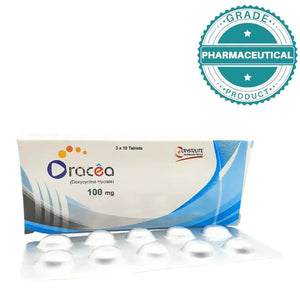
Oracea Tablets 100mg (Doxycycline) Pack of 10 Tablets
Oracea Tablets 100mg contain Doxycycline Hyclate, a broad-spectrum tetracycline antibiotic used for respiratory, skin, urogenital and rickettsial infections, including severe acne. Pack of 10 film-coated tablets. Prescription required.

Pay in 3 Installments of
Rs.
80


Oracea Tablets 100mg (doxycycline) Pack of 10 Tablets
Description
ORACEA Tablets 100mg: Comprehensive Medication Guide
Introduction
ORACEA tablets is a prescription medication containing 100mg of
Doxycycline Hyclate per tablet It belongs to the tetracycline group of
antibiotics and is used to treat a variety of bacterial infections This
comprehensive guide covers its composition, indications, precautions, dosage,
side effects, and more
Composition
Each filmcoated ORACEA tablet contains Doxycycline Hyclate
equivalent to 100mg of Doxycycline
Description
ORACEA contains Doxycycline, a semisynthetic broad-spectrum
antibiotic known to be effective against a wide range of gram-positive and gram-negative
bacteria It is available as a 100mg tablet
Indications
ORACEA is prescribed for the treatment of various
infections, including:
Rocky Mountain
spotted fever, Typhus fever, Respiratory tract
infections, Lymphogranuloma
veneered, Chlamydia infections, Urethral,
endocervical, or rectal infections, Relapsing fever, Chancroid, Plague, Tularemia, Cholera, Campylobacter fetus
infections, Brucellosis, Bartonellosis, Granuloma inguinal, Certain cases of
syphilis, yaws, and Vincent's infection, Actinomycosis, Intestinal amebiasis
(adjunctive therapy), Severe acne
(adjunctive therapy)
Precautions
-
ORACEA may lead to
overgrowth of non-susceptible organisms; superinfections should be treated
appropriately - It can result in
benign intracranial hypertension, especially in adults - Embryo toxicity has
been noted in animal studies - Use during pregnancy
should be decided upon careful risk benefit analysis -
ORACEA is excreted in
breast milk; nursing mothers should consider the potential risks to infants - The effect of ORACEA
on labor and delivery is unknown - Avoid drinking
excessive alcohol during ORACEA therapy
Dosage
Adults: Two tablets
on the first day, followed by a maintenance dose of 100mg once daily For severe
infections, 100mg every 12 hours may be recommended
Children (below
45kg): 4mg/kg of body weight divided into two doses on the first day, followed
by 2mg/kg as a once daily dose For severe infections, up to 4mg/kg may be
prescribed
Take ORACEA with
plenty of fluids and while in an upright position to prevent esophageal
irritation
Side Effects
Common side effects may include:
Gastrointestinal
issues like nausea, vomiting, and diarrhea
Skin reactions such
as rashes
Renal toxicity
leading to elevated BUN
Discoloration of the
thyroid gland (no known impact on thyroid function)
Instructions
Do not use ORACEA
after its expiry date
Keep the medicine
below 30 °C
This medication is
for you; do not give it to others
Presentation
ORACEA is available in blister packs containing 3 x 10
tablets per pack
This guide provides essential information about ORACEA, but
always follow your doctor's specific instructions and consult a healthcare
professional for any concerns or questions related to your treatment
Usage & Benefits
Broad-spectrum activity against gram-positive and gram-negative bacteria
Used in respiratory tract and atypical infections
Adjunctive therapy for severe acne and rosacea
Effective against Chlamydia and rickettsial diseases
Once or twice daily oral dosing
Well-established tetracycline class antibiotic
How To Use
Swallow tablets whole with a full glass of water while sitting or standing upright to prevent oesophageal irritation. Avoid dairy products, antacids and iron within 2 hours of the dose. Use sunscreen and protective clothing due to photosensitivity risk. Complete the full course as prescribed.
FAQs
Can I take Oracea with milk?
No, avoid dairy within 2 hours of the dose.
Is sun exposure safe?
Doxycycline causes photosensitivity; use sunscreen.
Is it safe in pregnancy?
Contraindicated in pregnancy and children under 8 years.
Can it be used for acne?
Yes, as adjunctive therapy for severe acne under medical supervision.
Dermatologist Recommended


Healer's Pharma Minoxidil 5% + Finasteride 0.25% Hair Regrowth Spray

0.25% Finasteride Topical Hair Loss Spray by Healer's Pharma


