
Understanding Acne: Types, Causes, and Effective Treatments
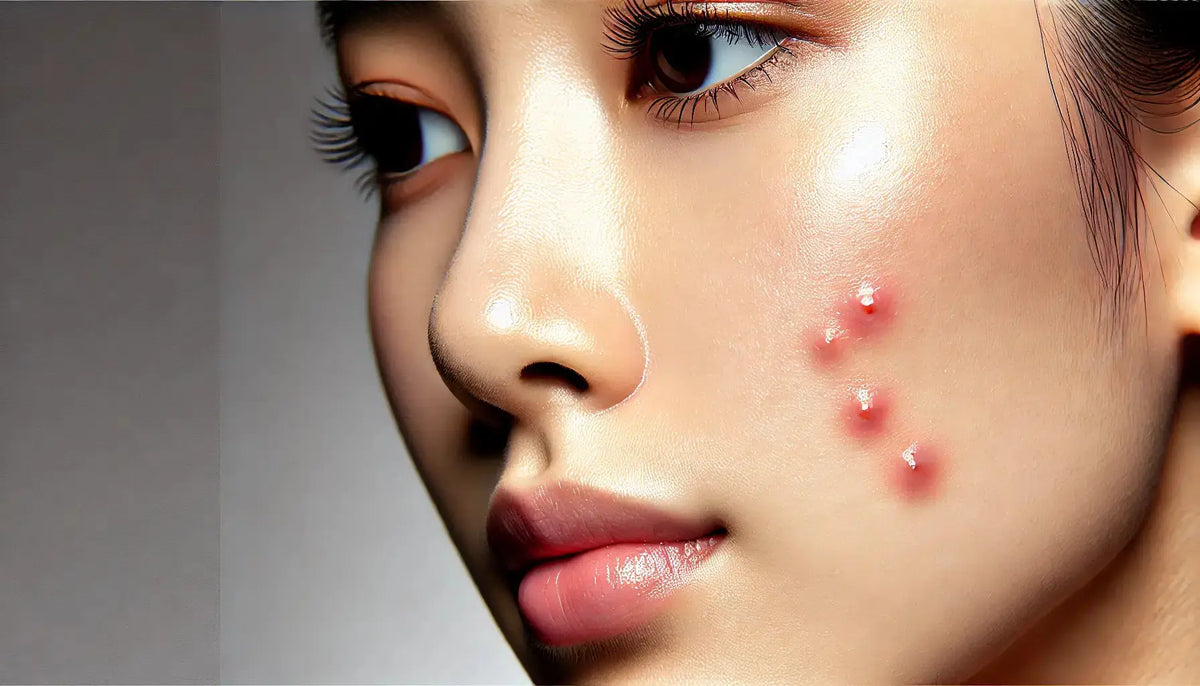
Acne is a widespread skin condition affecting people of all ages. It develops when hair follicles become clogged with oil, dead skin cells and bacteria, leading to inflammation and blemishes. Understanding the types, causes and treatments of acne is the first step to managing it well.
Types of Acne
Non-Inflammatory Acne
- Whiteheads (closed comedones): small white bumps where pores are clogged with oil and dead skin cells, sealed by a thin layer of skin.
- Blackheads (open comedones): open clogged pores whose contents oxidise and darken when exposed to air.
Inflammatory Acne
- Papules: small, red, tender bumps without a visible centre.
- Pustules: red, inflamed blemishes filled with pus.
- Nodules: large, painful lumps deep within the skin.
- Cysts: the most severe form — pus-filled lumps that can cause scarring.
Causes of Acne
Hormonal changes: androgens increase sebum production, especially during puberty, which clogs pores. Diet: high-glycaemic foods and dairy are linked to flare-ups in some people. Stress: cortisol raises oil production and can worsen breakouts. Products: comedogenic formulas clog pores, so choose non-comedogenic skincare. Genetics: a family history of acne raises your risk.
Effective Treatments for Acne
Topical Treatments
- Salicylic acid: a beta-hydroxy acid that exfoliates and clears pores.
- Benzoyl peroxide: kills acne-causing bacteria and reduces inflammation.
- Retinoids: vitamin A derivatives that prevent clogged pores and calm inflammation.
- Niacinamide: reduces redness, controls sebum and strengthens the skin barrier.
Oral Treatments
- Antibiotics: target acne-causing bacteria from within.
- Hormonal therapy: can regulate the hormones that trigger acne in some women.
- Isotretinoin: a powerful vitamin A derivative reserved for severe acne.
Oral medicines should only be taken under a doctor's supervision.
Daily Care
Cleanse twice daily with a gentle, non-comedogenic wash, hydrate with a light moisturizer, and apply a broad-spectrum sunscreen every morning to prevent UV-induced worsening and dark marks.
Advanced Treatments
- Chemical peels: exfoliate to unclog pores and soften the look of acne scars.
- Laser therapy: targets bacteria and reduces inflammation.
- Microneedling: stimulates collagen to improve acne scars.
- Photodynamic therapy: uses light-activated agents to kill acne-causing bacteria.
Acne at Different Life Stages
In teens, puberty-driven hormones are the main trigger, so consistency matters. Adult acne is often tied to hormonal imbalance, stress and product sensitivity, and in women it can flare around menstruation, pregnancy and menopause.
Preventive Measures
- Cleanse twice daily with a gentle face wash.
- Avoid touching your face and change pillowcases regularly.
- Use non-comedogenic makeup and skincare.
- Manage stress with techniques like yoga or meditation.
Conclusion
Managing acne takes a tailored, multi-step approach: identify the causes, choose the right treatments and stay consistent. For persistent or severe acne, consult a dermatologist to find the best plan for your skin.
 Snail Mucin for Skin: Benefits, How to Use It & the Best Products in Pakistan
 K-Beauty 101: The Science Behind Korean Skincare's Global Rise
 Under-Eye Dark Circles: Causes & Treatments That Actually Work
 Fungal Skin Infections in Pakistan: Ringworm, Jock Itch & Athlete's Foot