
Fungal Infections Treatment: How to Treat Them Effectively
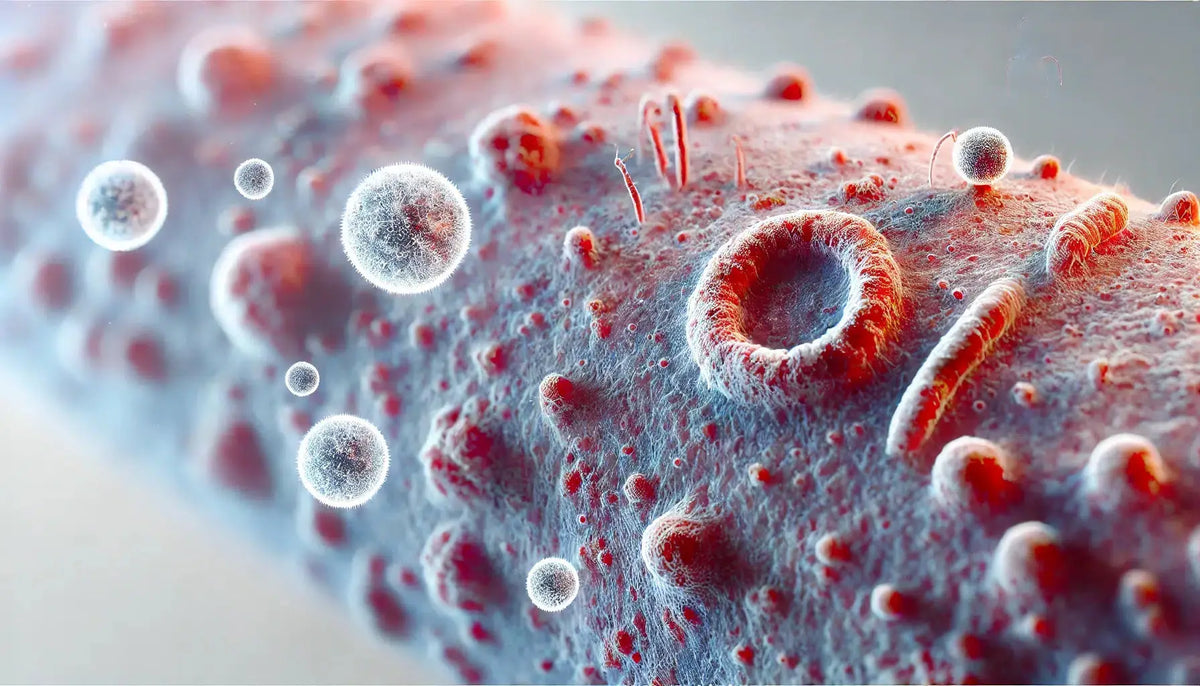
Fungal infections are common, uncomfortable skin problems that thrive in warm, moist areas of the body. They can affect skin, nails and hair, causing itchy rashes, discoloured patches and persistent irritation. The most widespread types are superficial fungal infections, dermatophyte infections and candidal infections. Most are mild and respond well to antifungal treatment, but stubborn cases may need stronger therapy and lifestyle changes.
Superficial fungal infections
These affect the outer layers of skin, hair and nails. They are rarely serious but can be uncomfortable.
Tinea versicolor
Symptoms: discoloured patches that may be lighter or darker than surrounding skin, with mild itching and scaling in warm weather.
Management: after diagnosis, a dermatologist may prescribe a topical antifungal or a medicated shampoo containing selenium sulfide or ketoconazole. Wear breathable clothing and avoid heavy sweating.
Tinea cruris (jock itch)
Symptoms: a red, itchy rash in the groin, inner thighs or buttocks, often worse in humidity.
Management: topical antifungal creams such as clotrimazole, plus daily washing, keeping the area dry and wearing loose cotton underwear. Antifungal powders help prevent recurrence.
Tinea corporis (ringworm)
Symptoms: ring-shaped rashes with a clear centre and scaly edges on the body or limbs.
Management: use a prescribed topical antifungal as advised and wash affected areas often. Severe cases may need oral antifungals. Avoid sharing towels and clothing.
Dermatophyte infections
Dermatophytes target keratin-rich areas like skin, hair and nails.
Tinea pedis (athlete's foot)
Symptoms: scaling, itching and cracked skin between the toes, sometimes with odour.
Management: antifungal sprays or powders, breathable footwear and frequent sock changes to keep feet dry.
Fungal nail infections (onychomycosis)
Symptoms: thick, brittle, discoloured nails that turn yellow or white.
Management: oral antifungals such as terbinafine may be needed; keep nails trimmed and avoid artificial nails.
Candidal infections
Candida is a yeast that causes infections in moist areas and on mucous membranes.
Oral thrush
Symptoms: white patches on the tongue, inner cheeks and throat, sometimes with soreness.
Management: antifungal lozenges or mouthwashes such as nystatin, good oral hygiene, and limiting sugary foods.
Vaginal yeast infection
Symptoms: itching, redness and a thick white discharge.
Management: antifungal creams or oral fluconazole, avoiding tight synthetic underwear, and probiotics to support a healthy bacterial balance.
Resistant fungal infections
Some infections do not respond to standard treatment and need more aggressive care: combining oral and topical antifungals, reducing sugar and processed foods, and seeing a specialist for a tailored plan that may include itraconazole or terbinafine.

Prevention and lifestyle tips
- Maintain hygiene: wash affected areas daily and keep them dry; use antifungal soap if prone to infection.
- Wear breathable clothing: loose cotton fabrics reduce sweating and irritation.
- Use antifungal powders: in high-risk areas like feet and groin.
- Don't share personal items: towels, shoes, socks and combs can spread infection.
- Support immunity: a balanced diet, exercise and good sleep help your body fight infection.
- Avoid over-washing: harsh soaps and scrubbing damage the skin barrier.
When to see a dermatologist
Fungal infections such as jock itch, ringworm, tinea versicolor and candidal infections are common but manageable. If symptoms persist despite over-the-counter antifungal care, or you also have scalp flaking from seborrhoeic dermatitis, consult a dermatologist for tailored treatment. Shop dermatologist-recommended antifungal products in Pakistan at Derma.pk.
 Snail Mucin for Skin: Benefits, How to Use It & the Best Products in Pakistan
 K-Beauty 101: The Science Behind Korean Skincare's Global Rise
 Under-Eye Dark Circles: Causes & Treatments That Actually Work
 Fungal Skin Infections in Pakistan: Ringworm, Jock Itch & Athlete's Foot