
Botox: Beauty Booster And Beyond Wrinkles
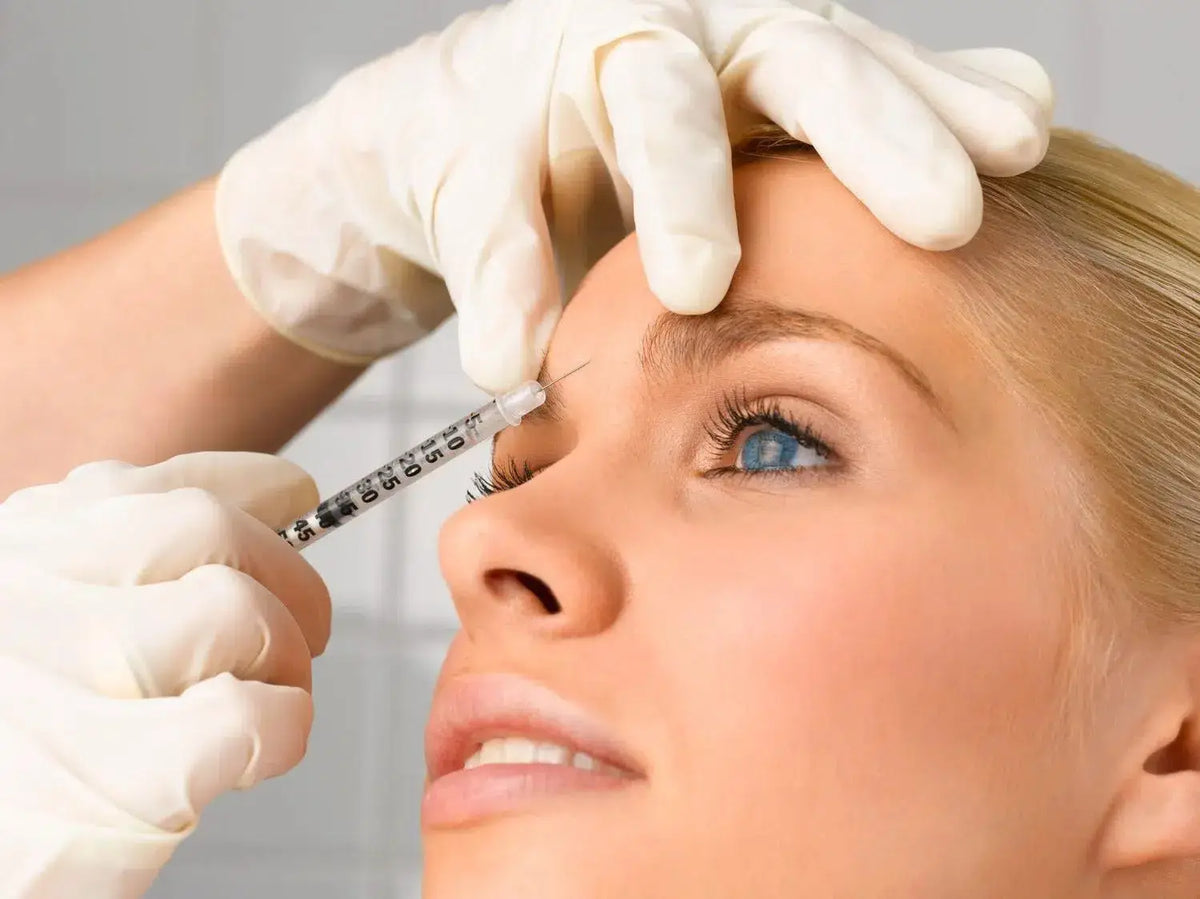
Botox is a brand name for onabotulinumtoxinA, a purified protein made by the bacterium Clostridium botulinum. In tiny, carefully placed doses it temporarily relaxes specific muscles, which makes it useful for both cosmetic and medical purposes.

How Botox works
Normally your brain signals a muscle to contract by releasing a chemical messenger called acetylcholine. Botox is injected into precise, targeted muscles, where it blocks acetylcholine from binding to the muscle. Without that signal the muscle relaxes, which smooths the overlying skin and softens wrinkles and fine lines. The effect usually lasts three to four months, after which the body breaks the toxin down and normal muscle action returns.
Cosmetic and medical uses

Cosmetically, Botox is best known for softening forehead lines, frown lines between the brows and crow's feet around the eyes, as part of a wider anti-aging approach. It is one of several neuromodulators, alongside Dysport, Xeomin and Jeuveau. Medically, it is also used for muscle spasms such as cervical dystonia, excessive sweating, chronic migraine prevention and certain chronic pain conditions, and is being studied for several others.

What to expect from a wrinkle treatment

The procedure is quick and involves a few tiny injections into the targeted muscles. Discomfort is minimal and numbing cream can be used if you prefer. Results appear within a few days, look natural, and do not freeze normal expression when done well. Because the effect is temporary, repeat treatments are needed to maintain it.
Botox for excessive sweating (hyperhidrosis)

Botox can also calm excessive sweating. Injected into areas such as the underarms, and sometimes the hands, feet or face, it blocks the nerve signals to the sweat glands, significantly reducing sweat for several months before a top-up is needed.
Side effects and safety

Botox is generally safe, and many people have no side effects. The most common are temporary: injection-site pain, redness, swelling or bruising, headache, and mild flu-like symptoms. If the toxin spreads to nearby muscles it can briefly cause a drooping eyelid or brow, or an uneven smile, which usually settles within weeks. Very rarely, difficulty swallowing or breathing can occur and needs urgent medical attention. To lower your risk, choose a qualified, experienced practitioner, share your full medical history, and follow aftercare instructions.
Alternatives and things to consider
Botox is not permanent, is not suitable for everyone, and can be costly. Other ways to address wrinkles include dermal fillers, chemical peels, lasers and topical retinoids. A consultation with a dermatologist is the best way to decide what suits you. For more detail, see the American Academy of Dermatology botulinum toxin FAQs.
 Snail Mucin for Skin: Benefits, How to Use It & the Best Products in Pakistan
 K-Beauty 101: The Science Behind Korean Skincare's Global Rise
 Under-Eye Dark Circles: Causes & Treatments That Actually Work
 Fungal Skin Infections in Pakistan: Ringworm, Jock Itch & Athlete's Foot