
Living with Atopic Eczema: Practical Strategies for Everyday Life
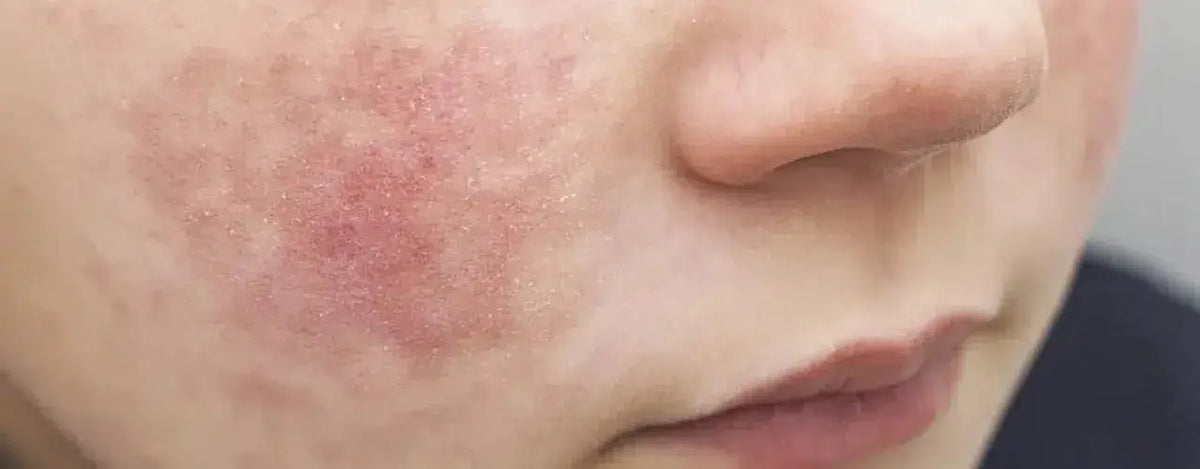
Atopic eczema, also known as atopic dermatitis, is a common chronic skin condition that causes dry, itchy, and inflamed skin. It often begins in childhood but can develop at any age, and is closely linked to sensitive skin.
Causes
Atopic eczema results from a complex interplay of genetics, immune dysfunction, and environmental triggers. Key factors include the filaggrin (FLG) gene, a Th2 immune response, and exposure to dust mites, pet dander, and pollen. A weakened skin barrier also lets moisture escape, which is why dry skin is so common in eczema.
Symptoms
- Dry, cracked skin
- Intense itching, often worse at night
- Red, inflamed patches
- Small fluid-filled bumps that may weep
Treatment and Management
Managing eczema means calming inflammation while repairing the skin barrier.
Moisturisers
Apply fragrance-free emollients regularly to lock in hydration. Ceramide-based creams and rich moisturisers help rebuild the barrier, while a gentle daily sunscreen protects sensitive, eczema-prone skin.
Medical Treatments
Topical corticosteroids reduce inflammation and itching, antihistamines ease night-time scratching, and medicated treatments help where infection is a risk. For moderate-to-severe cases, dermatologists may recommend narrowband UVB phototherapy or immunomodulatory therapies such as dupilumab.
When to See a Dermatologist
Atopic eczema is a long-term condition, but with the right routine most people live comfortably. If flare-ups are frequent or severe, consult a dermatologist for a personalised plan. Our Derma and Dental Clinic is located in Bahria Town, Lahore (WhatsApp: +92 320 5999650).
 Snail Mucin for Skin: Benefits, How to Use It & the Best Products in Pakistan
 K-Beauty 101: The Science Behind Korean Skincare's Global Rise
 Under-Eye Dark Circles: Causes & Treatments That Actually Work
 Fungal Skin Infections in Pakistan: Ringworm, Jock Itch & Athlete's Foot