
Mesotherapy: Tiny Needle Powerhouse for Skin and Wellness

Mesotherapy is a minimally invasive treatment that delivers a tailored cocktail of vitamins, minerals, amino acids, antioxidants, hyaluronic acid and other nutrients into the middle layer of the skin (the mesoderm) through a series of tiny injections. It is used for skin rejuvenation, hair loss, cellulite and more.
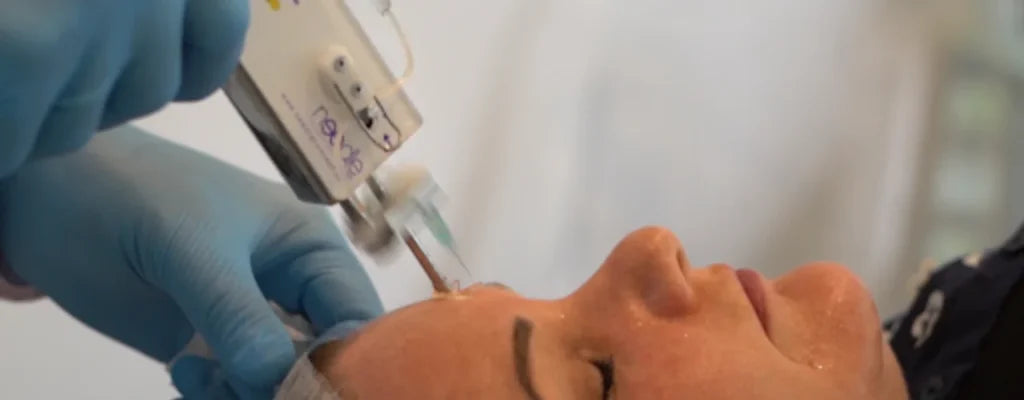
How mesotherapy works
The exact mechanism is not fully understood, but the nutrient injections are thought to stimulate collagen and elastin production, improve blood circulation and support lymphatic drainage. The cocktail is customised to the concern being treated, and a typical session takes around 30 minutes to an hour.
Mesotherapy for skin rejuvenation
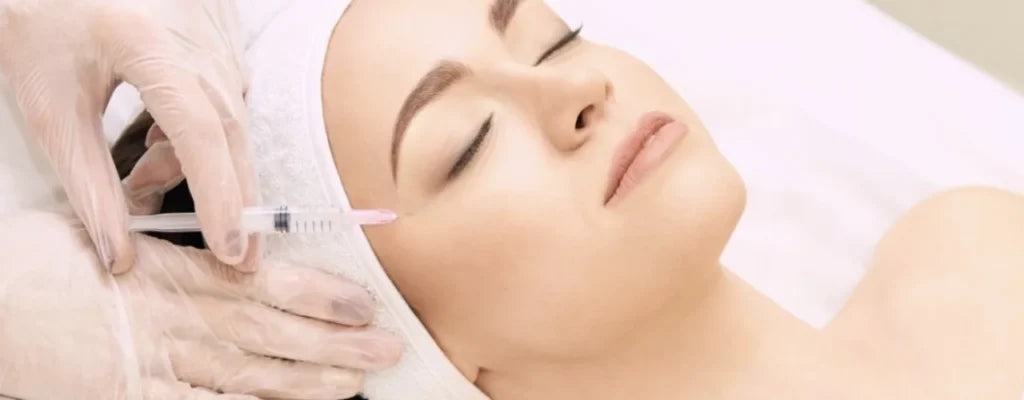
For the face, mesotherapy can soften wrinkles and fine lines, restore lost volume and elasticity, and boost hydration and brightness, supporting a broader anti-aging routine. Hydrating ingredients such as hyaluronic acid help plump and refresh dull skin, and the treatment may also soften the look of scars and stretch marks.
Mesotherapy for hair restoration

Injected into the scalp, the nutrient mix nourishes the follicles, improves blood flow and may help counter the effects of DHT, the hormone linked to hair loss. It can be a useful, non-surgical option for early-stage thinning and some forms of alopecia, and pairs well with an anti-hair-fall regimen. Best results usually take a course of 8 to 12 sessions spaced a few weeks apart, with occasional maintenance.
Mesotherapy for cellulite

Evidence for cellulite is mixed: some studies show modest gains in skin texture and firmness, others little effect, and any improvement may be temporary. It works best alongside a healthy lifestyle rather than as a standalone fix. For a research overview, see this PubMed review on mesotherapy for cellulite.
Risks and what to consider
Mesotherapy is generally safe, but mild bruising, redness or swelling at the injection sites is common, and infection or allergic reaction is rare. It is not regulated by the FDA, so choose a qualified, experienced practitioner, check the ingredients for anything you may react to, and keep expectations realistic. A consultation with a board-certified dermatologist will confirm whether it suits your needs.
 Snail Mucin for Skin: Benefits, How to Use It & the Best Products in Pakistan
 K-Beauty 101: The Science Behind Korean Skincare's Global Rise
 Under-Eye Dark Circles: Causes & Treatments That Actually Work
 Fungal Skin Infections in Pakistan: Ringworm, Jock Itch & Athlete's Foot