
Psoriasis Relief is Possible: Mystery of Chronically Flaky Skin
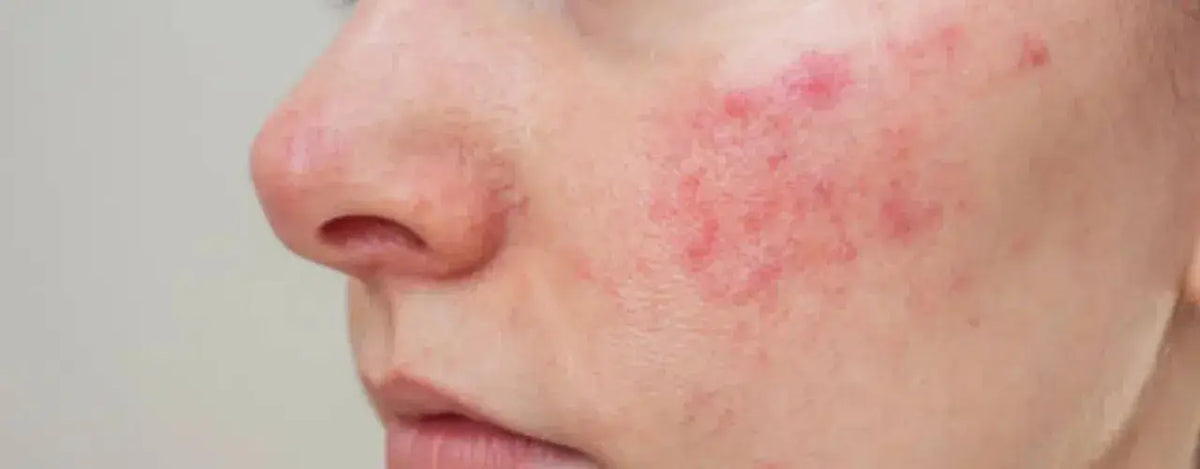
Psoriasis is a chronic autoimmune skin condition that causes raised, red, scaly patches. It affects roughly 2% of people worldwide and, while there is no cure, it can be managed well.
What Happens in Psoriasis
The immune system mistakes healthy skin cells for a threat and triggers inflammation. This speeds up skin cell turnover dramatically, so cells pile up into thick, red, scaly plaques instead of shedding normally.
Common Triggers
Flare-ups are linked to genetics and immune dysfunction, and are often set off by stress, infections, cold weather, skin injury, and certain medications.
Treatment Options
Topical Care
Most cases start with topical treatments. Corticosteroids and vitamin D analogs reduce inflammation, while salicylic acid and other BHA products help soften and lift scales. Keeping skin well moisturized with a rich cream eases dryness and cracking.
Light and Systemic Therapy
For more widespread psoriasis, a dermatologist may recommend UVB phototherapy, oral medications such as methotrexate or cyclosporine, or biologic injections. These are prescribed and monitored by a specialist. If your scalp is affected, gentle medicated treatments can help.
The Takeaway
Psoriasis is manageable with the right plan. Early diagnosis and consistent treatment make a real difference, so see a dermatologist to find what works for your skin.
 Snail Mucin for Skin: Benefits, How to Use It & the Best Products in Pakistan
 K-Beauty 101: The Science Behind Korean Skincare's Global Rise
 Under-Eye Dark Circles: Causes & Treatments That Actually Work
 Fungal Skin Infections in Pakistan: Ringworm, Jock Itch & Athlete's Foot