
Punch Skin Biopsy: Quick and Precise Diagnosis for Skin Concerns
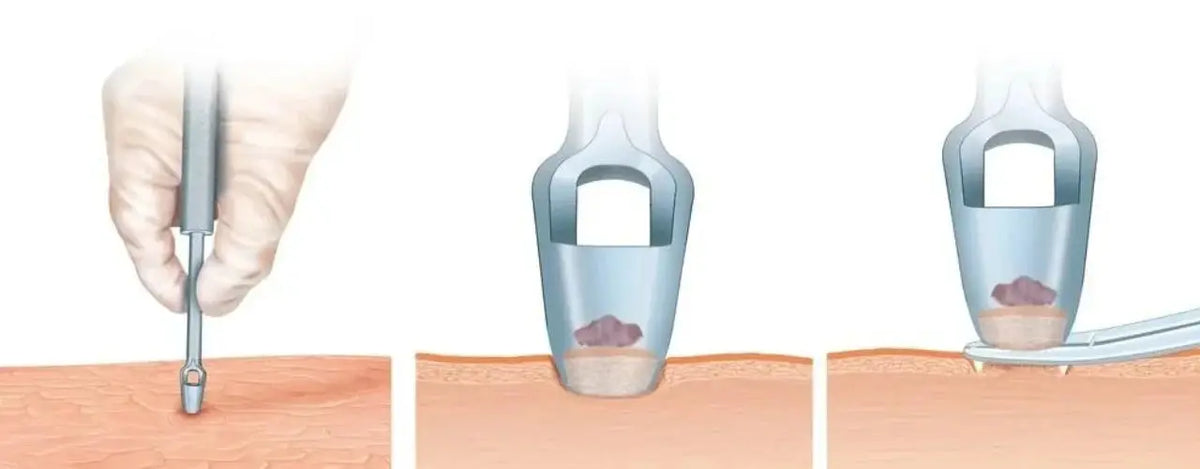
A punch skin biopsy is a minimally invasive procedure used to diagnose a wide range of skin conditions. Using a small, circular tool called a punch, a doctor removes a tiny sample of skin, which a pathologist then examines under a microscope to find the cause of a lesion. It is commonly used for suspicious moles, persistent rashes, blisters and unexplained lumps.
When a punch biopsy is used
Doctors may recommend a punch biopsy to check a mole that has changed in size, shape or colour, to investigate a rash that will not settle or has unusual features, to diagnose blistering conditions, or to identify a lump under the skin. It is also useful for confirming inflammatory conditions such as psoriasis and eczema when the diagnosis is unclear.
What to expect during the procedure
The biopsy is usually done in a clinic and takes only a few minutes. The area is cleaned and numbed with a local anaesthetic, the punch (about 2 to 4 mm across) removes a small cylinder of skin, and any minor bleeding is controlled with gentle pressure. Depending on the size, the site may be closed with a stitch or two or left to heal on its own.
Aftercare
Mild soreness or bruising at the site is normal. Keep the area clean and dry, avoid picking at the scab, and watch for signs of infection such as increasing redness, swelling or discharge. Results are usually available within a few days to a week.
Risks and complications
Punch biopsies are very safe, and serious problems are uncommon. Minor effects include slight bleeding, bruising, mild pain and a small scar that fades over time. Less commonly there can be infection, an allergic reaction to the anaesthetic, or temporary numbness if a small nerve is affected. A bleeding disorder, diabetes, a weakened immune system or smoking can slow healing and raise the risk, so share your full medical history with your doctor.
Monitoring skin conditions over time
Beyond diagnosis, repeat biopsies can track how a condition is responding to treatment, monitor certain slow-growing skin cancers, or follow autoimmune and inflammatory conditions such as seborrheic dermatitis. How often this is needed depends on the condition and your individual response.
After your diagnosis
Once a condition is confirmed, your dermatologist can recommend the right treatment plan. For many everyday concerns that includes gentle, well-chosen skincare, such as products suited to sensitive skin and targeted formulas for issues like acne. If you notice a new or changing skin lesion, see a doctor promptly for assessment.
 BioAqua Sheet Masks in Pakistan: Pick the Right One for Your Skin (2026)
 Best Budget Body Sprays & Deodorants in Pakistan: Smell Fresh for Less
 Snail Mucin for Skin: Benefits, How to Use It & the Best Products in Pakistan
 K-Beauty 101: The Science Behind Korean Skincare's Global Rise