
Effective Rosacea Skin Care Tips: Diagnosis, Treatment & Management
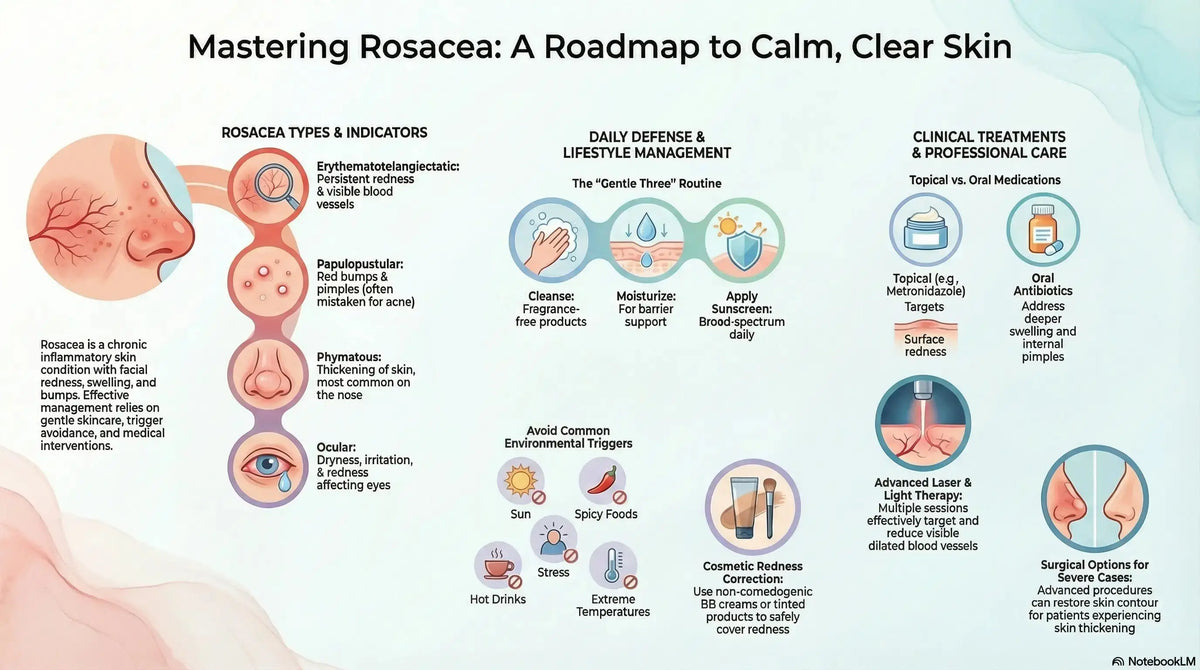
Dealing with rosacea can be challenging, especially when persistent redness, swelling, and bumps affect your confidence and comfort. Understanding your skin and learning effective rosacea skin care tips can make a significant difference. This guide will help you recognize signs and symptoms, identify triggers, explore treatment options, and build a skin care routine tailored for rosacea-prone skin — empowering you to manage and improve your skin’s health every day.
Understanding Rosacea: Causes and Symptoms
Rosacea is a chronic skin condition characterized primarily by facial redness, pimples, and swelling. Common signs and symptoms include persistent redness caused by rosacea, small red bumps, and visible blood vessels generally located on the cheeks, nose, forehead, and chin. Sometimes, rosacea makes skin appear flushed or swollen, with flare-ups that can vary in intensity.

The exact causes of rosacea remain unclear, but research suggests an autoimmune response may play a role. Factors like genetics, immune system irregularities, and environmental influences contribute to its development. There are several types of rosacea, including erythematotelangiectatic (redness and visible blood vessels), papulopustular (red bumps and pimples), phymatous (thickened skin, often on the nose), and ocular rosacea, which affects the eyes, causing dryness and irritation. Symptoms can vary widely, making individualized skin care and targeted treatment crucial for effective management.
How Rosacea Is Diagnosed by Dermatologists
Diagnosing rosacea begins with a dermatologist assessing your medical history and performing a thorough physical examination of your skin. Since no specific lab tests confirm rosacea, diagnosis mainly relies on identifying symptom patterns and ruling out other conditions. The doctor looks for classic signs and symptoms such as facial redness, bumps, and vascular changes.
Because rosacea symptoms can mimic other skin diseases, consulting a dermatologist is essential for accurate diagnosis and effective rosacea skin treatment. Before your appointment, tracking your symptoms and triggers — such as flare-up frequency, severity, and possible causes — can help the dermatologist tailor a personalized treatment plan specific to your needs.
Top Rosacea Skin Care Tips Recommended by Dermatologists
Gentle skin care plays a critical role in managing rosacea symptoms. Start with a skin care routine designed for sensitive, rosacea-prone skin, avoiding harsh scrubs and irritating ingredients. Dermatologists recommend using fragrance-free and non-irritating products containing botanical actives or anti-spot herbal complex to protect your skin barrier and reduce redness caused by rosacea.
Daily sun protection is equally important since rosacea and sun exposure often worsen symptoms. Choose a broad-spectrum sunscreen included in multi-benefit formulations or rosacea-specific lotions that offer moisturizing effects along with sun defense. Regular moisturizing helps maintain hydration and skin barrier integrity, reducing irritation and flare-ups.
When using makeup, opt for gentle, non-comedogenic products like BB cream or redness-correcting tinted creams that can safely cover facial redness without aggravating your rosacea. These user-friendly products provide coverage and soothing benefits, supporting both skin health and appearance. Proper skin care routines can help you take better care of your rosacea-prone skin and improve overall skin appearance.
Identifying and Avoiding Rosacea Triggers
Managing rosacea begins with understanding and avoiding personal triggers. Many patients find keeping a diary or using apps to track flare-ups helpful in identifying foods, activities, or environmental factors that worsen their symptoms. Common triggers include sun exposure, spicy foods, hot drinks, stress, and temperature changes.
Avoiding these triggers can significantly reduce the frequency and severity of rosacea flare-ups. Lifestyle adjustments such as wearing sun-protective clothing, managing stress through relaxation techniques, and moderating heat exposure support better rosacea management and symptom control.

Effective Topical Treatments for Rosacea
Topical medications play a vital role in the treatment of rosacea by targeting redness, inflammation, and blemishes. Common topical treatments include creams containing metronidazole, azelaic acid, and brimonidine. Metronidazole reduces inflammation and redness, azelaic acid helps clear bumps and whiteheads caused by rosacea, while brimonidine works by constricting blood vessels to improve rosacea skin redness.
These rosacea creams are usually applied once or twice daily according to your doctor’s instructions. Visible improvements can often be expected within several weeks, though continued use is necessary for long-term benefits. Potential side effects include skin irritation or dryness; therefore, consulting your dermatologist before starting any prescription medication or topical treatment is important.
Prescription Medications to Manage Rosacea Symptoms
When topical treatments alone are insufficient, dermatologists may prescribe oral antibiotics such as doxycycline, which have anti-inflammatory effects that help reduce rosacea skin swelling and pimples. In some cases, prescription pills or retinoids are recommended to manage stubborn or severe symptoms.
The duration of oral medication varies but typically requires several weeks to months, always under medical supervision to monitor effectiveness and side effects. It is important to discuss medication risks, possible allergic reactions, or interactions with your healthcare provider to ensure safe rosacea management.
Medical Procedures and Advanced Treatment Options
For persistent redness and visible blood vessels, laser and phototherapy light treatments offer effective solutions by targeting dilated vessels and reducing skin inflammation. These portable, user-friendly treatments usually involve multiple sessions spaced weeks apart and are well-tolerated by most rosacea patients.
In severe cases such as rhinophyma, where the nose becomes thickened and swollen, surgical options may be necessary to restore skin contour. Consulting with a dermatologist or specialist about advanced treatment options is recommended when topical and medication regimens do not fully control symptoms.
Building a Daily Skin Care Routine for Rosacea-Prone Skin
A simple, consistent skin care routine is key for rosacea-prone skin. Begin with gentle cleansing using non-irritating, fragrance-free cleansers formulated for sensitive skin. Follow with moisturizing products that support the skin barrier and prevent dryness.
Apply prescribed topical treatments as directed, typically after cleansing and before moisturizers and sunscreen. Daily sun protection should never be skipped to minimize rosacea flare-ups caused by UV exposure. Consistency in these steps, including using moisturizing rosacea lotions with sunscreen, can gradually improve rosacea symptoms and help keep your skin calm and balanced.

Lifestyle Management to Complement Rosacea Treatment
Lifestyle factors greatly influence rosacea flare-ups. Reducing stress through meditation or yoga, avoiding spicy foods, limiting alcohol, and managing heat exposure can help lessen flare frequency. Exercise is beneficial but should be moderated to avoid overheating.
Staying well-hydrated and getting adequate sleep support skin healing and immune function. Tracking lifestyle habits alongside symptoms allows you to make adjustments that complement your rosacea treatment effectively.
Preventing Rosacea Flare-Ups and Long-Term Management
Long-term management of rosacea requires continuous care. Identifying and avoiding your personal triggers reduces flare chances. Incorporating daily sun protection with sunscreen and protective clothing is essential for prevention.
Regular visits to your dermatologist help update treatment plans based on your current skin condition, ensuring the rosacea remains under control. Maintaining the recommended skin care routine supports skin healing and prevents persistent symptoms of rosacea from worsening.
Psychological and Social Impact of Rosacea
Living with rosacea often affects emotional well-being, causing lowered self-esteem and social anxiety due to visible facial redness and blemishes. Recognizing these psychological effects is important for overall health.
Coping mechanisms like counseling or participating in support groups can provide emotional relief. Being open with healthcare providers about mental health aspects allows for more holistic care. Makeup and cosmetic products designed for sensitive skin such as gentle BB creams can boost confidence by effectively covering redness and blemishes without irritation.
When to See a Doctor and Questions to Ask About Your Rosacea
If your rosacea symptoms worsen, become painful, or cause significant discomfort, seek prompt medical consultation to adjust your treatment. Prepare for your dermatologist appointment by listing your symptoms, flare-up triggers, and current skin care routine.
Key questions to ask include expected treatment timelines, possible side effects of medications, and how to manage rosacea flare-ups effectively. Follow-up visits are crucial to monitor progress, address concerns, and refine your rosacea management plan.
Is Colorescience Safe for Rosacea?
Colorescience products are generally considered safe for rosacea-prone skin as they are formulated to be gentle, non-irritating, and often include sun protection. However, it is recommended to patch test and consult your dermatologist before introducing new cosmetic products.
What Not to Put on Rosacea Face?
Avoid applying harsh exfoliants, alcohol-based toners, fragrances, and irritating ingredients like menthol, witch hazel, and strong astringents. These can aggravate rosacea symptoms and worsen redness and inflammation.
What Are 5 Symptoms of Rosacea?
Common symptoms of rosacea include persistent facial redness, visible blood vessels, small red bumps or pimples, swelling, and skin dryness or irritation. Recognizing these early signs can help you seek treatment and manage the condition effectively.
 Snail Mucin for Skin: Benefits, How to Use It & the Best Products in Pakistan
 K-Beauty 101: The Science Behind Korean Skincare's Global Rise
 Under-Eye Dark Circles: Causes & Treatments That Actually Work
 Fungal Skin Infections in Pakistan: Ringworm, Jock Itch & Athlete's Foot